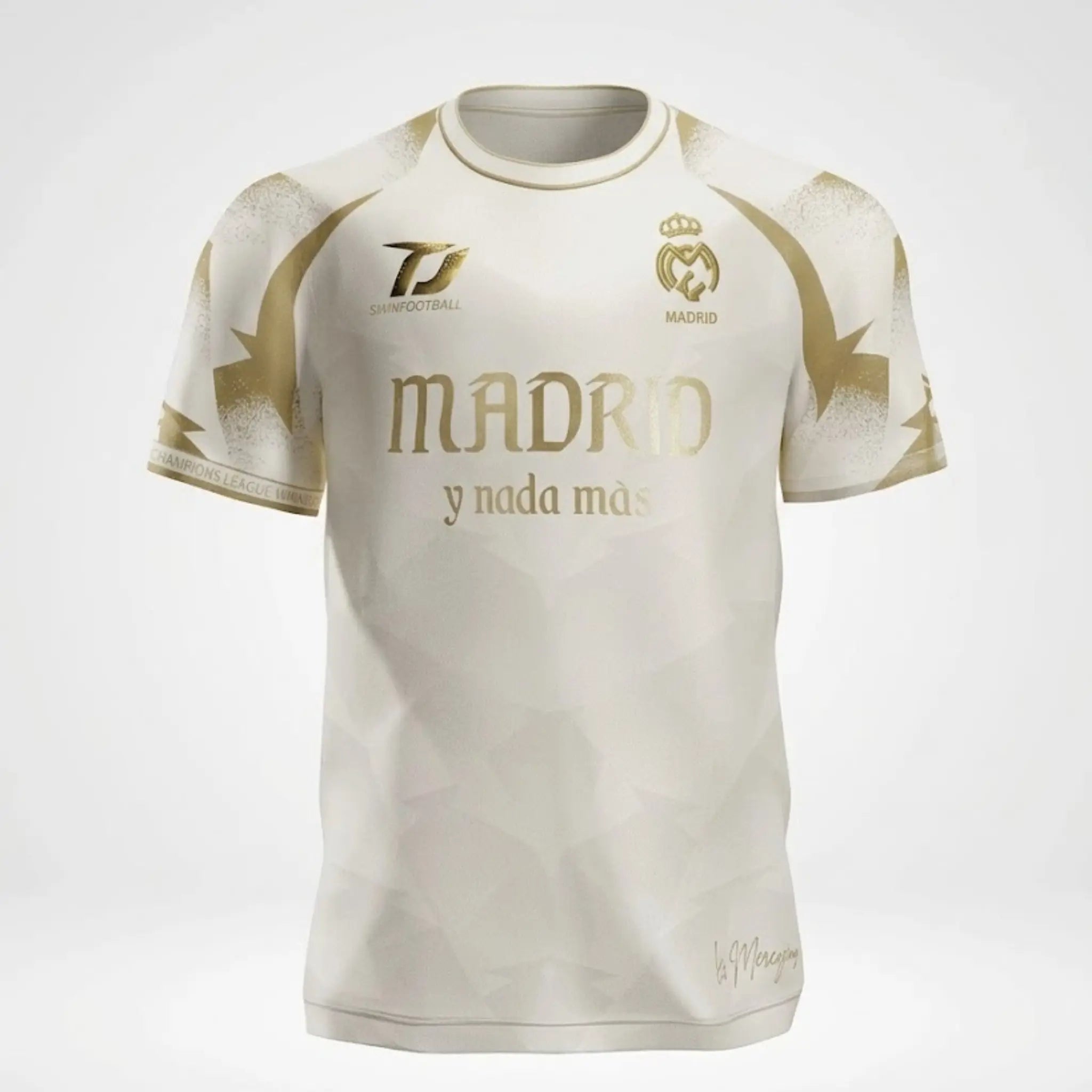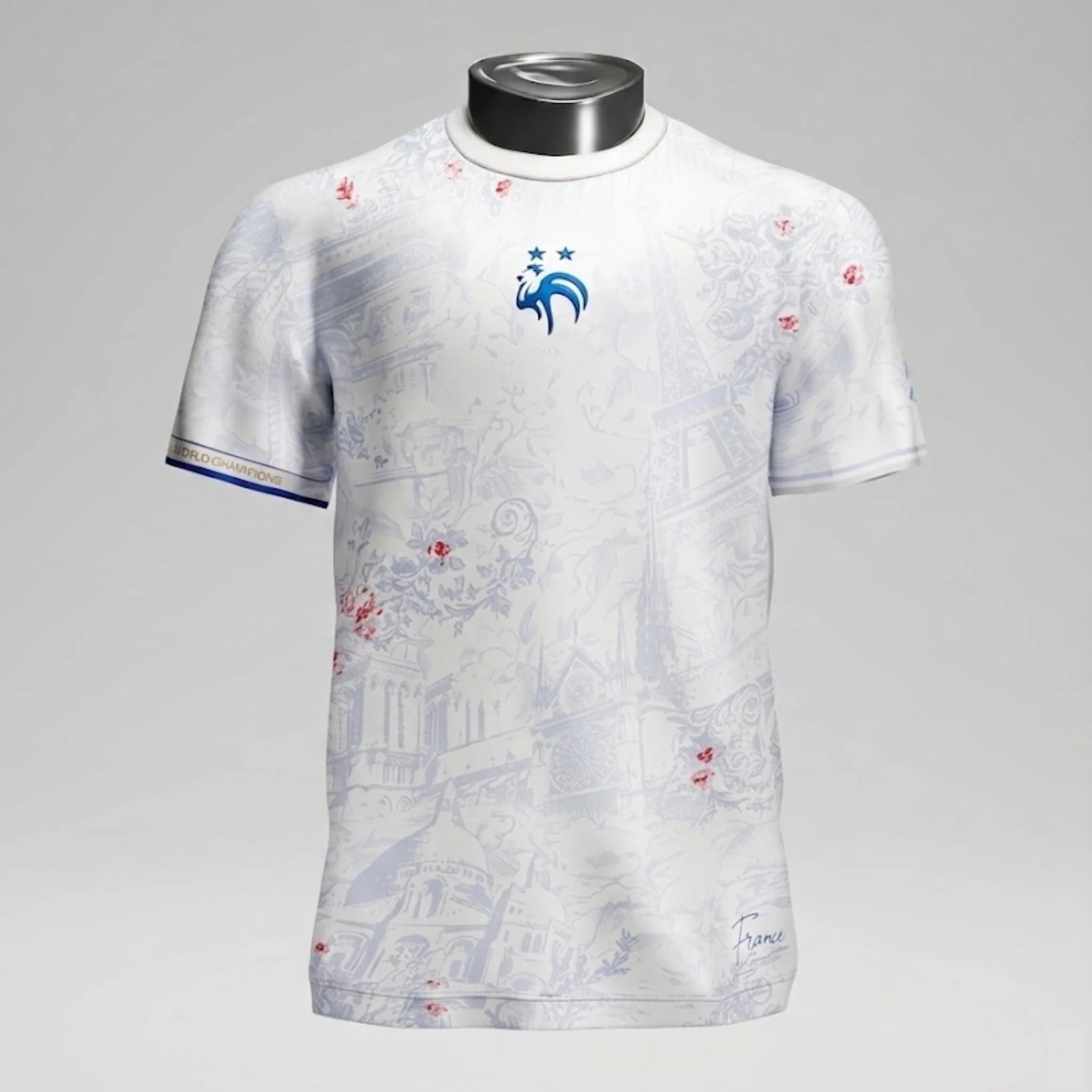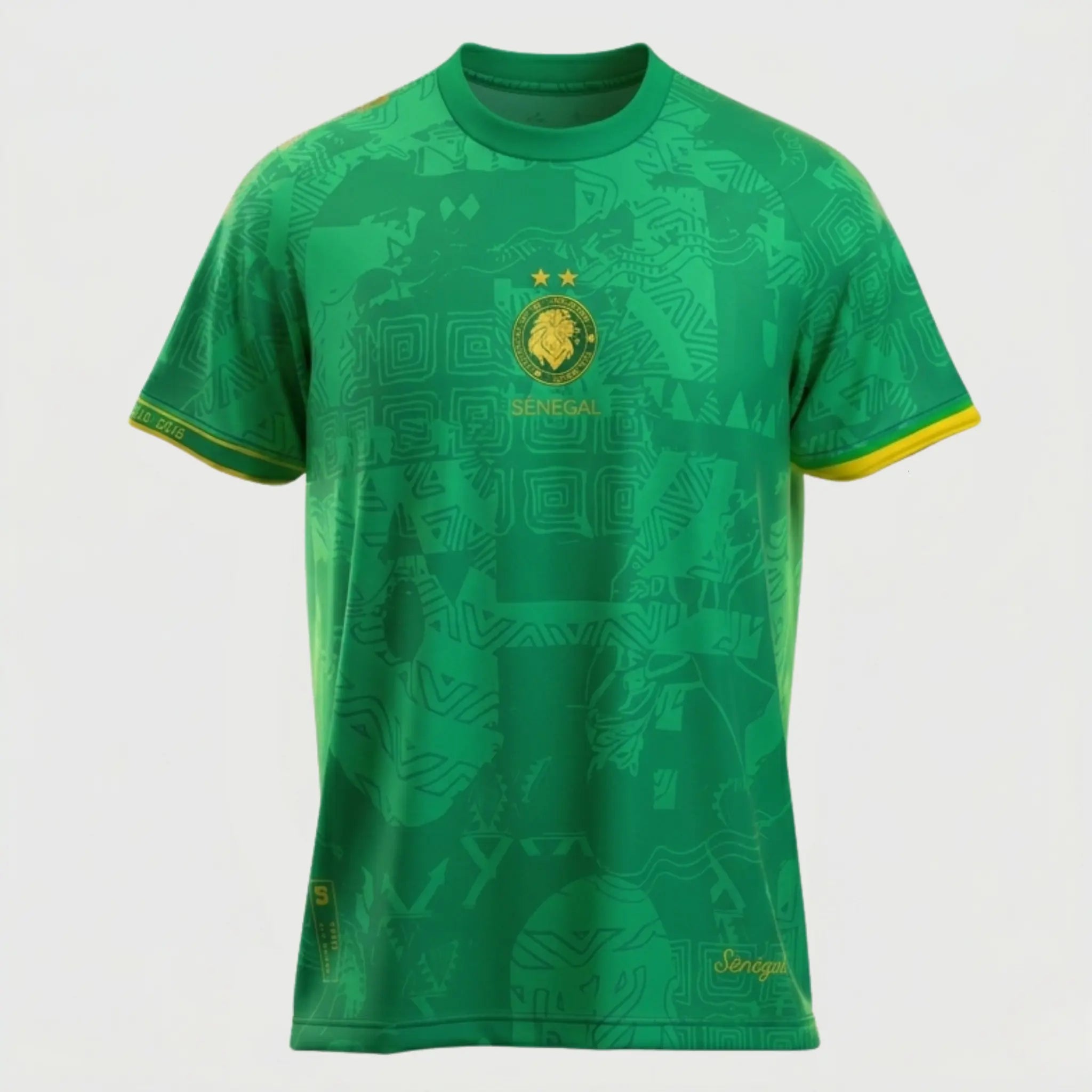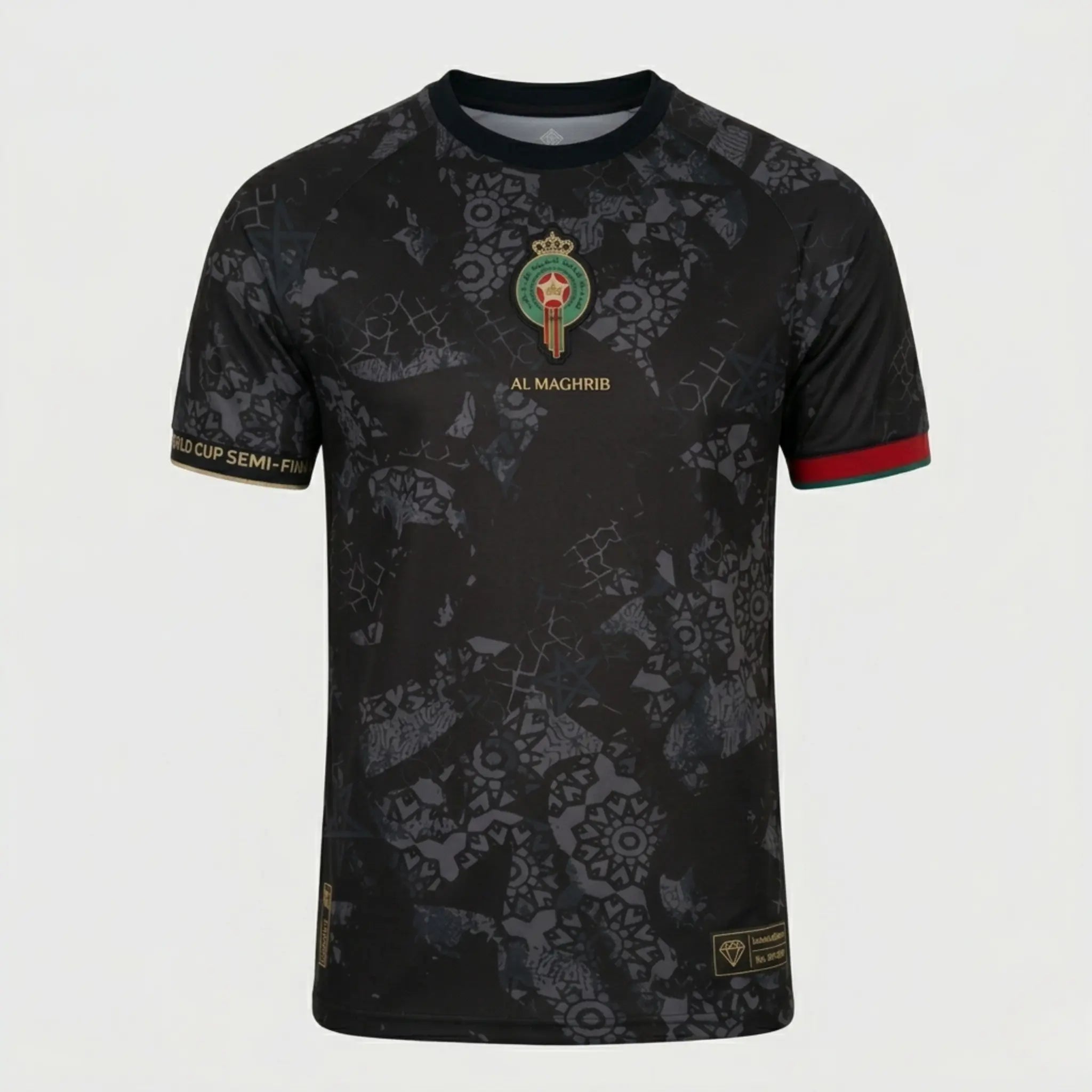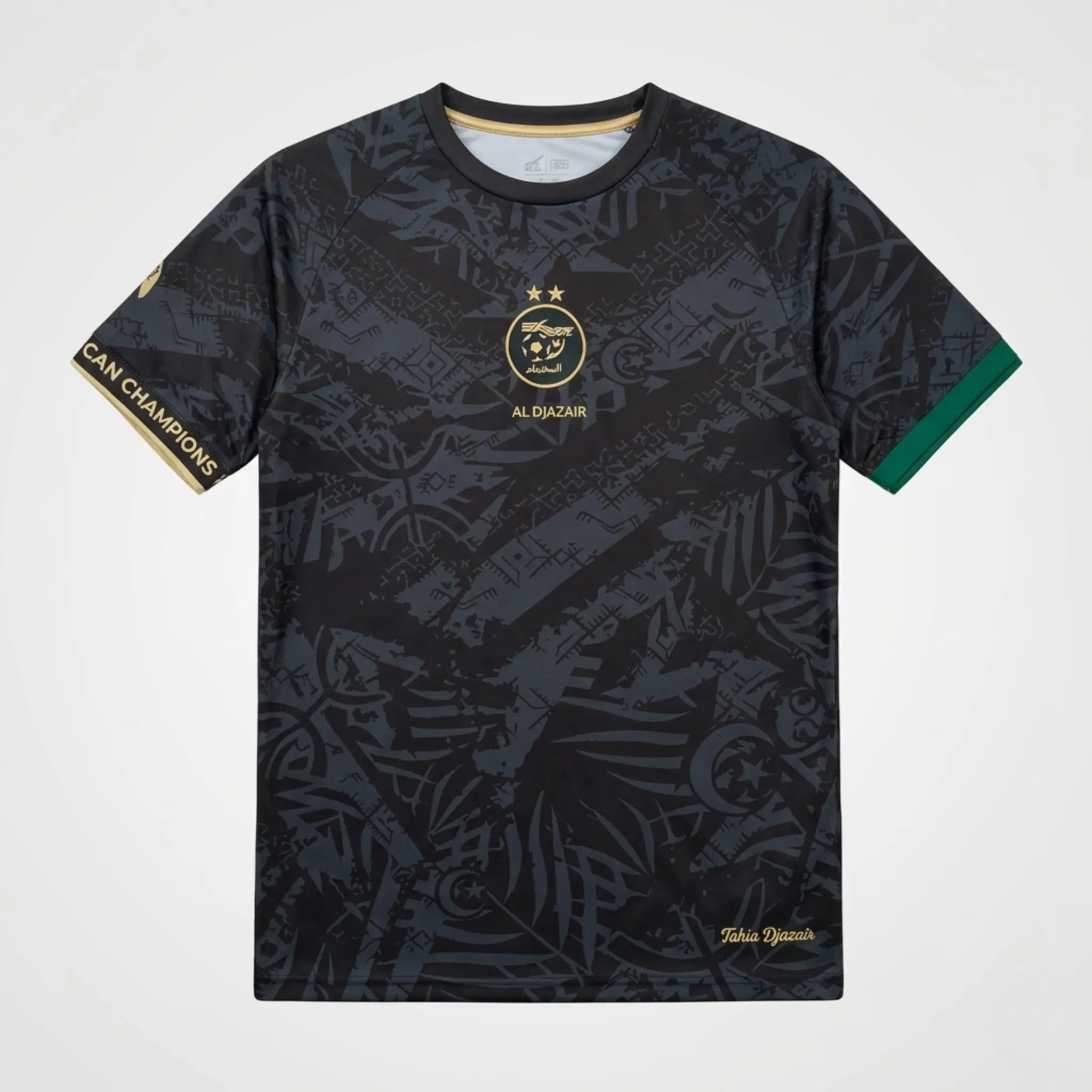

A football jersey It can shrink in the wash, but only if certain mistakes are made. Pure polyester swimsuits are virtually impossible to shrink unless washed at a high temperature or tumble dried. Cotton-polyester blend swimsuits, however, are much more sensitive and can lose between 3 and 8% Their dimensions shrink after the first failed wash. The good news: this shrinkage is almost always avoidable if you know the right settings.
This article explains why football shirts shrink, which materials are affected, at what temperature the risk becomes real, and how to salvage a shirt that's already too small after a bad wash.
Does polyester really shrink? What fiber physics says
THE polyester Polyester is a thermoplastic synthetic fiber: it deforms under the effect of heat. At room temperature or in cold conditions, polyester fibers are stable and do not move. It is beyond a certain heat threshold that the molecular bonds loosen, the fibers contract, and the fabric loses its original dimensions. This phenomenon is irreversible once a certain point is reached.
The critical temperature of polyester
Polyester fibers begin to deform from 60°C. Between 40 and 60°C, The risk exists but remains limited if the exposure is short. Below 40°C, Polyester hardly shrinks, which explains why washing at 30°C is systematically recommended for sports jerseys. The tumble dryer, which can reach 80 to 90°C In standard programming, this is by far the main cause of shrinkage.
The case of cotton-polyester jerseys
Some jerseys, particularly the more economical versions or vintage editions, are made from a cotton-polyester blend. Cotton shrinks as soon as 40°C and can lose up to 10% of its original size after a hot wash. A jersey with only 20% Therefore, a jersey made of cotton is more fragile than one made of 100% polyester, even if the difference to the touch is minimal.
Why the tumble dryer is the main culprit
The tumble dryer is, by far, the leading cause of shrinkage of football jerseys. The heat generated by the heating element, combined with the mechanical agitation and the cycle duration, creates far more aggressive conditions than any washing machine program. A polyester jersey that comes out unscathed from a 60°C wash can easily shrink significantly after just one cycle in the dryer on a normal setting.
What actually happens inside the drum
In a tumble dryer on a standard program, the hot air regularly exceeds 70 to 80°C. The polyester, subjected to this heat during 40 to 60 minutes While being mechanically agitated, its fibers contract and solidify into their new compressed shape. The jersey emerges from the drum shorter, narrower, with a shrunken collar and shorter sleeves. These deformations are often irreversible.
Is the delicate cycle on the tumble dryer sufficient?
The delicate or cool setting on a tumble dryer significantly reduces the risk, but doesn't eliminate it completely. The heat produced is still higher than what a football jersey should be exposed to. Air drying remains the only truly safe option: a polyester jersey dries in 1.5 to 2 hours in a ventilated room, which does not justify taking the risk of using a tumble dryer.
At what temperature does a football shirt shrink in the washing machine?
In a washing machine, the risk of jersey shrinkage becomes concrete from 60°C for pure polyester. At 40°C, The risk is low but exists with cotton blends. 30°C Even with cold washing, the risks are virtually nil regardless of the fabric composition. These thresholds apply to a new jersey in good condition: a jersey already weakened by previous washes may react differently.
Table of temperatures and associated risks
| Temperature | Pure polyester | Cotton-polyester blend |
|---|---|---|
| Cold water/20°C | No risk | No risk |
| 30°C | No risk | Very low risk |
| 40°C | Very low risk | Moderate risk |
| 60°C | High risk | Very high risk |
| 90°C | Definite deformation | Definite deformation |
| Normal tumble dryer | High risk | Very high risk |
How to check the composition of your swimsuit before washing
The care label sewn inside the jersey is the first thing to check before washing. It indicates the percentage of each fiber and care instructions using standardized symbols. A jersey 100% polyester tolerates heat better than a mixture, but none football jersey should never exceed 40°C machine wash according to the manufacturers' recommendations.
Deciphering the symbols on the care label
The tub symbol with a number indicates the maximum washing temperature. An X on the tumble dryer symbol means it is prohibited. A square with a circle but no X indicates a tumble dryer permitted on a delicate cycle. Most of the official jerseys Adidas, Nike and Puma indicate a maximum temperature of 30°C and prohibit the use of tumble dryers. This is not a simple precaution: it's part of the manufacturer's warranty.
What should I do if the label is illegible or missing?
For worn or old jerseys with faded labels, the precautionary principle applies: wash in cold water, delicate cycle, spin at 600 rpm maximum, Air dry. If you don't know the fabric composition, treat the jersey as if it were cotton. This will prevent shrinkage, even in the worst-case scenario.
How to fix a shrunken football shirt
A shrink jersey It's not necessarily a lost cause. If the shrinkage is moderate and recent, cold stretching techniques can partially restore the original dimensions. These methods work better on cotton-polyester blends than on pure polyester, which is more resistant to deformation in both directions.
The cold soaking and hand-stretching technique
Soak the swimsuit in cold water for 20 to 30 minutes. Remove it from the refrigerator without wringing it out, lay it flat on a clean surface, and gently stretch it in all directions for several minutes. Then pin it to a rigid support of the desired size and let it air dry. Repeat if necessary. The result is never guaranteed, but this method can help restore it. 1 to 3 cm on a slightly shrunken jersey.
Hair conditioner: a trick that works
Hair conditioner (conditioner) contains softening agents that temporarily relax textile fibers. Dilute two tablespoons In a basin of lukewarm water, soak the swimsuit for 30 minutes, Then stretch it by hand before laying it flat to dry. This technique is particularly effective on cotton blends. It doesn't damage the fabric and can be repeated several times.
What you absolutely must not do
Trying to revive a shrunken jersey by steaming it at a high temperature is a common mistake that often makes the situation worse. The heat from the iron can permanently set the shrinkage and lift the print. Never pull roughly on a wet jersey either: the seams can come undone and the fibers can stretch unevenly, creating permanent deformations.
Preventative maintenance to avoid any shrinkage from the start
The best way to never have to retrieve a shrink jersey The key is to adopt the right habits from the very first wash. The golden rule has four points: wash at 30°C maximum, synthetic or delicate program, spin limited to 600 rpm, Air dry flat or on a wide hanger. Following these four steps consistently is enough to keep a jersey intact for dozens of washes.
The first wash, the most important one
The first wash of a new jersey is the one that most determines its future dimensional stability. Some new jerseys undergo a slight natural pre-shrinkage during the first wash, even at low temperatures. This is especially true for jerseys with a cotton content. For the personalized jerseys With flocking, it is advisable to wait 24 to 48 hours after receipt before the first wash, allow time for the marking to fully stabilize on the fabric.
If you have just ordered a personalized Senegal jersey With your name and number, this time before the first wash is all the more important to preserve the quality of the flocking in the long term.
High spin speed, an underestimated factor
A spin cycle 1200 or 1400 rpm This isn't just risky for the seams: the intense centrifugal force can also slightly compress the fibers and accentuate shrinkage already caused by excessive heat. Limit the spin cycle to 600 rpm reduces both the risk of deformation and wear of the seams in the long term.
FAQ
Do polyester football shirts shrink in the wash?
A 100% polyester swimsuit hardly shrinks at all when machine washed at 30°C. The risk becomes significant above 60°C or if tumble dried. Cotton-polyester blend swimsuits are more susceptible to shrinkage and can lose 3 to 8% of their dimensions after washing at 40°C. Washing at 30°C and air drying virtually eliminates any risk.
How to shrink a football shirt on purpose?
To shrink a swimsuit that's too big, machine wash it at 60°C and immediately tumble dry it on a normal setting. This method works best on cotton-polyester blends. Caution: the result is unpredictable and often uneven. The swimsuit may shrink more than desired, and the print may be irreversibly damaged.
Why did my jersey shrink even though I washed it at 30°C?
Several causes are possible: excessively vigorous spinning, even a short tumble in the dryer, a fiber blend containing cotton not listed on the label, or a low-quality garment whose fibers haven't undergone anti-shrinkage treatment. Also check that the selected program doesn't heat the garment beyond the indicated temperature.
Can you salvage a football shirt that has shrunk?
Yes, partially. The cold soaking technique followed by hand stretching can restore 1 to 3 cm to a slightly shrunk swimsuit. Adding hair conditioner to the soaking water improves the results. These methods work better on cotton-polyester blends than on pure polyester.
What is the correct temperature for washing a football shirt?
Maximum 30°C, on a delicate or synthetic cycle. This is the temperature recommended by all official jersey manufacturers (Adidas, Nike, Puma) on their care labels. Cold washing is even safer for bright colors. Above 40°C, the risk of shrinkage and damage to the flocking increases significantly.
A well-maintained jersey lasts much longer.
Shrinking a football shirt is almost always a preventable accident. Thirty seconds spent checking the care label and setting your washing machine correctly is all it takes to protect a shirt for years. If you're investing in a shirt that means something to you, follow these rules from the very first wash.