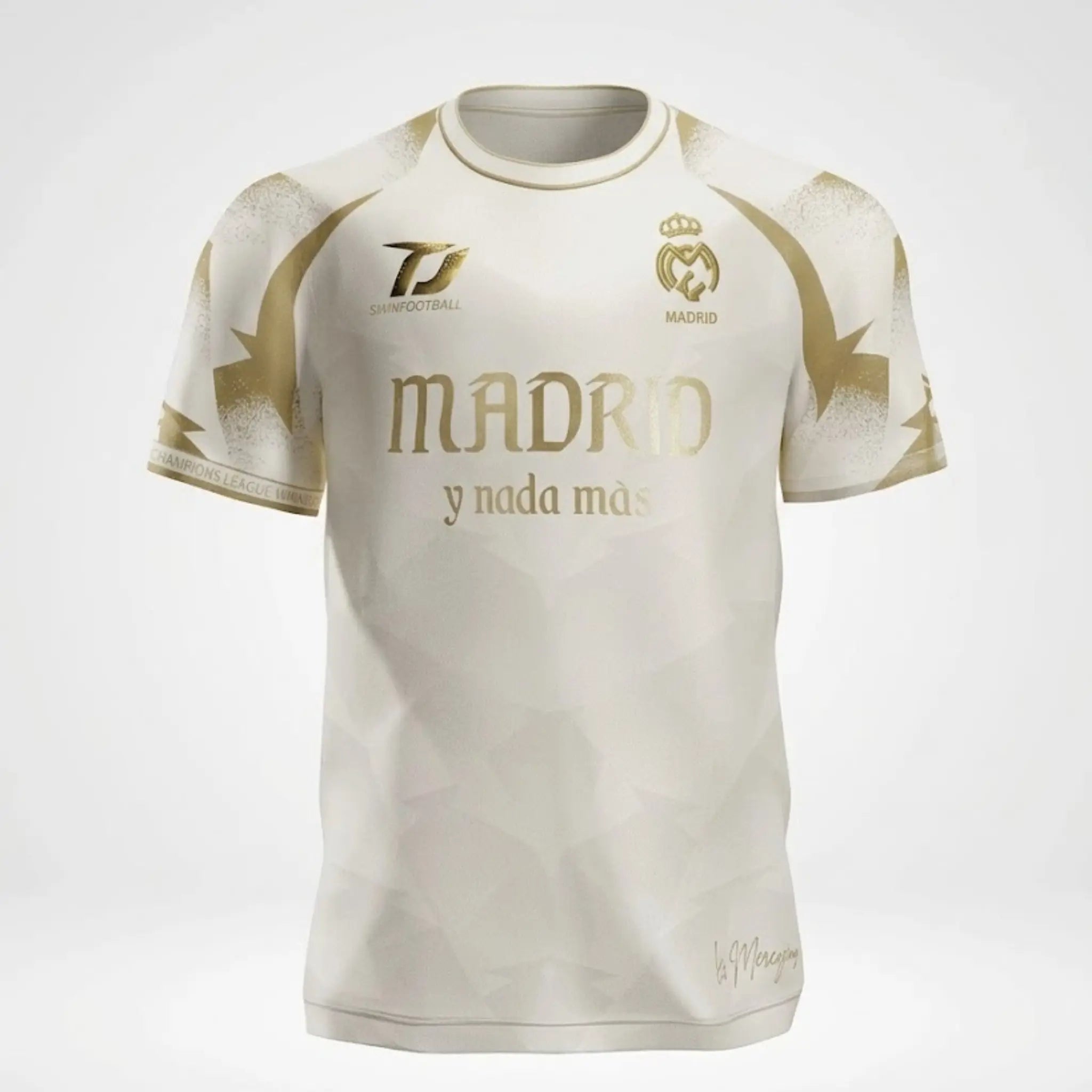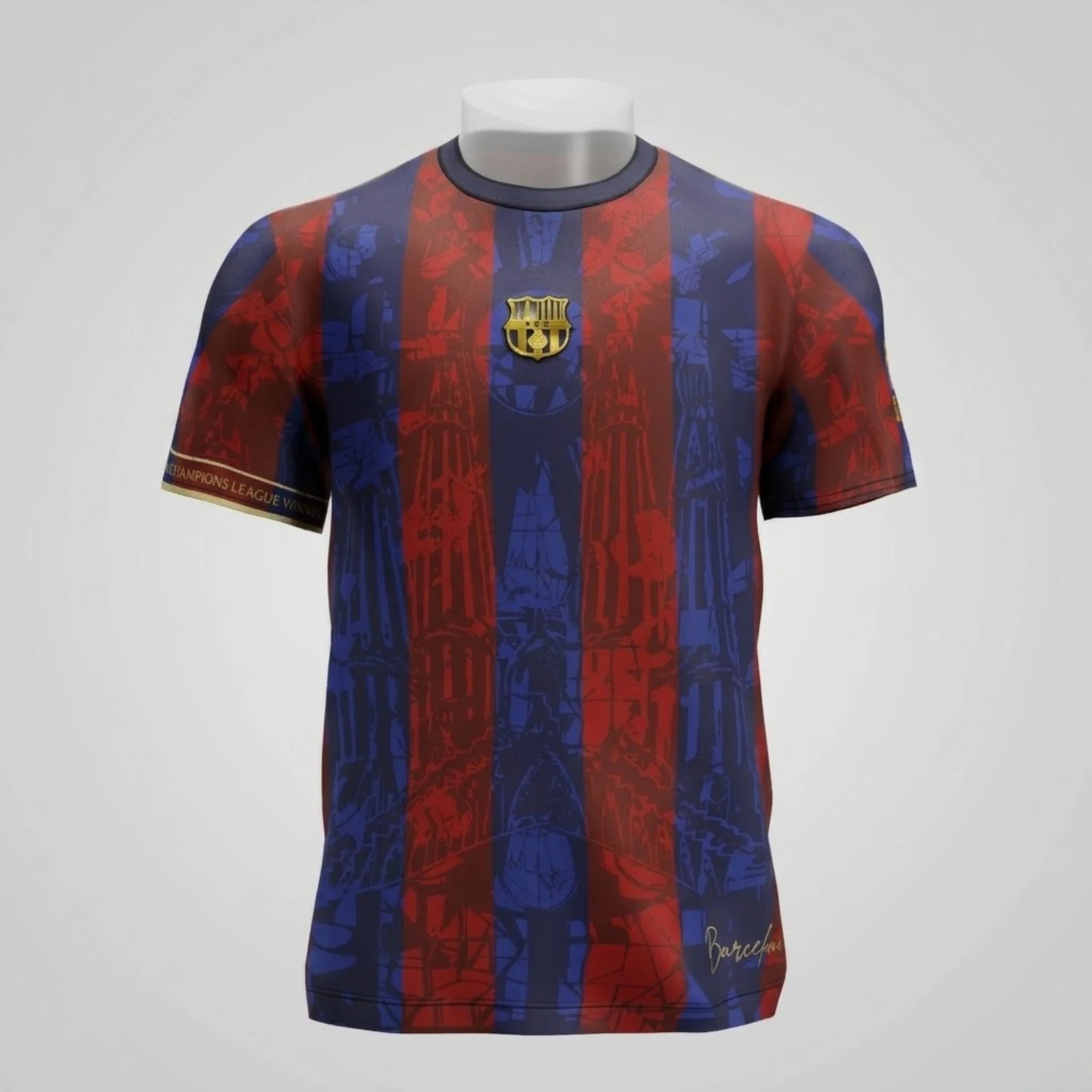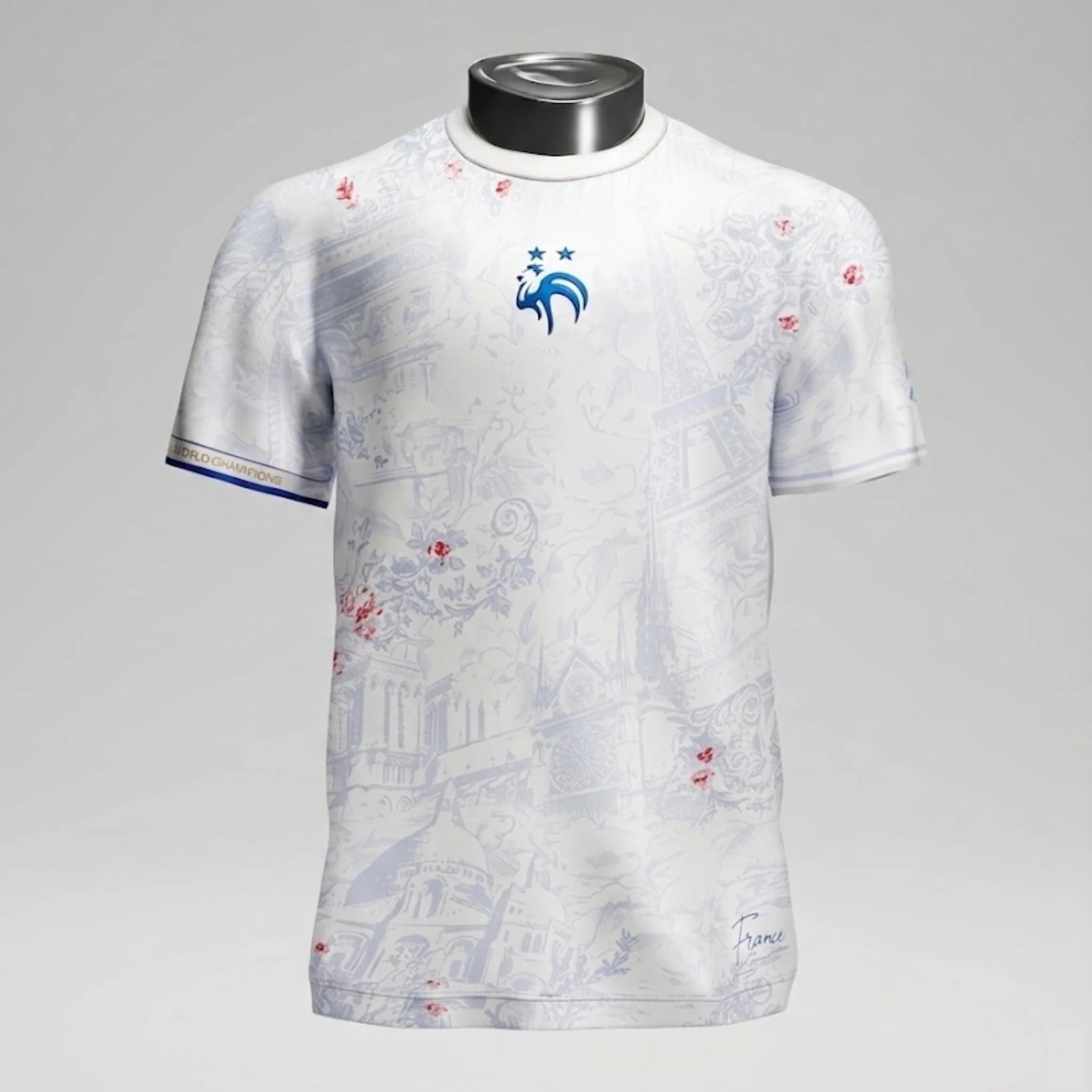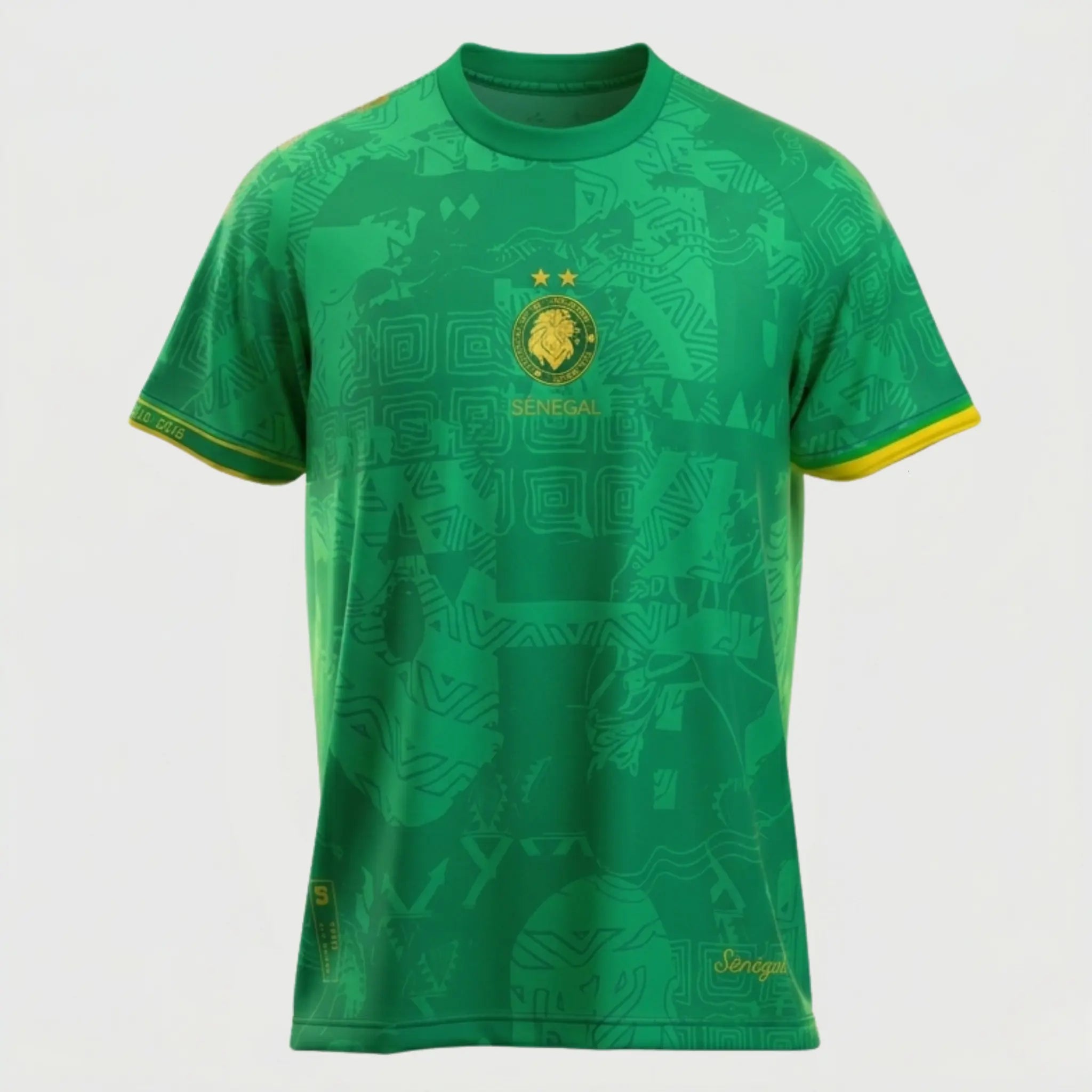
The question often comes up before an online purchase: is it really illegal to buy a fake football jersey ? The short answer is yes, but with important nuances depending on whether you are a buyer, seller, or reseller. In France and the European Union, knowingly buying a counterfeit This exposes individuals to civil and criminal penalties, although prosecutions remain rare. Selling or importing counterfeit goods, however, is severely punished.
This article details the precise legal framework, the real risks depending on your situation, the difference between a counterfeit and an unofficial jersey, and the legal alternatives to wear its colors without exposing yourself to any risk.
What the law says about counterfeiting football shirts
In French law, the counterfeit is defined by the Intellectual Property Code. It covers any unauthorized reproduction of a registered trademark, a protected logo, or a registered design. fake football jersey Anyone who reproduces the Nike, Adidas or Puma logo without a license, or who copies the crest of a club or national federation, falls entirely under this definition.
The applicable laws in France
Article L.713-2 of the Intellectual Property Code prohibits any reproduction or imitation of a registered trademark without the owner's authorization. Articles L.335-2 et seq. of the same code specifically address trademark infringement as a criminal offense. The law of October 29, 2007 strengthened sanctions and harmonized French law with European directives on intellectual property.
The European level: IPRED directive
The European directive 2004/48/EC, The so-called IPRED directive obliges all member states to implement effective measures against counterfeiting. It allows rights holders (clubs, federations, equipment manufacturers) to request the seizure of counterfeit goods, damages, and the publication of the judgment. It is on this basis that major sports brands regularly take legal action against networks distributing counterfeit jerseys.
What are the concrete risks for the individual buyer?
Buy a counterfeit jersey Using counterfeit goods for personal use is technically illegal in France, but prosecutions against private individuals are extremely rare. Authorities focus their resources on importers, wholesalers, and professional sellers of counterfeit goods. That said, practical impunity does not mean the absence of theoretical legal risk.
Customs seizure: a very real risk when importing
The most concrete risk for a private buyer ordering a counterfeit jersey from China or other non-EU countries is the customs seizure. French and European customs authorities are empowered to intercept and destroy packages containing counterfeit goods, without having to prove commercial intent on the part of the recipient. 2022, European customs have seized more than 67 million items counterfeit goods, including a significant proportion of textile and sporting goods.
Private sales: an additional risk area
Buying a counterfeit jersey and reselling it, even occasionally on a platform like Vinted or Le Bon Coin, radically changes the legal implications. As soon as a commercial transaction takes place, even on a small scale, criminal law fully applies. French case law has convicted individuals for reselling counterfeit goods acquired abroad, even when the volume remained limited.
Criminal penalties for the seller and the importer
For anyone who sells, imports or distributes counterfeit jerseys For commercial purposes, the penalties are severe and effectively enforced. The Intellectual Property Code provides for up to 3 years imprisonment And A fine of 300,000 euros for trademark infringement. These penalties can be doubled in the event of aggravating circumstances: organized gang, repeat offense, endangering consumers.
Customs and police operations targeting networks
Every year, coordinated operations between customs, the judicial police, and rights holders (clubs, federations, equipment manufacturers) dismantle counterfeit distribution networks in France. 2023, An operation conducted in the Paris region led to the seizure of tens of thousands of counterfeit jerseys, primarily those of African national teams and PSG. The sentences handed down regularly exceed symbolic fines.
The responsibility of resale platforms
Large online platforms (Amazon, eBay, Vinted) are themselves subject to monitoring obligations since the Digital Services Directive (DSA, entry into force in 2024They must promptly remove reported counterfeit advertisements and may be held liable for failure to act. In practice, sports brands have automated detection and reporting systems that remove thousands of fraudulent advertisements every week.
Counterfeit vs. unofficial jersey: a crucial distinction
There is a common confusion between counterfeit jersey And unofficial jersey. A counterfeit jersey fraudulently reproduces a registered trademark (Adidas, Nike, Puma) or a protected logo (Real Madrid crest, FFF logo) without authorization. An unofficial jersey, on the other hand, is produced without reproducing these protected elements: it is inspired by the national colors or the colors of a club without copying its registered trademarks.
The unofficial jersey: legal if the rights are respected
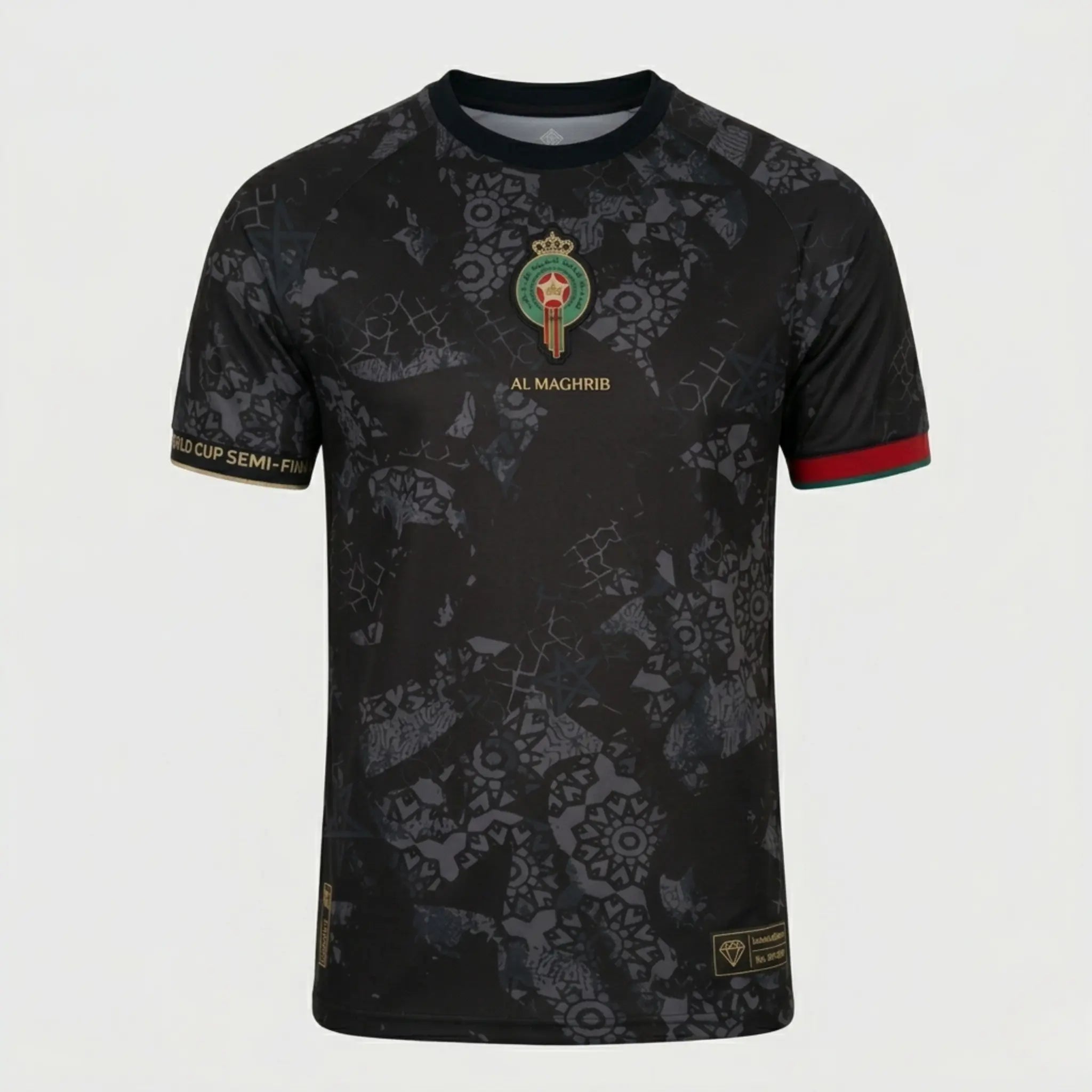
A shop selling a jersey in Morocco's red and green colors, without reproducing the logo of the Royal Moroccan Football Federation or the Puma logo, is operating within a legal framework. The national colors themselves are not protected as such. It is precisely on this distinction that shops rely on... personalized jerseys which offer designs inspired by national selections without usurping any intellectual property.
Why this distinction is important for the buyer
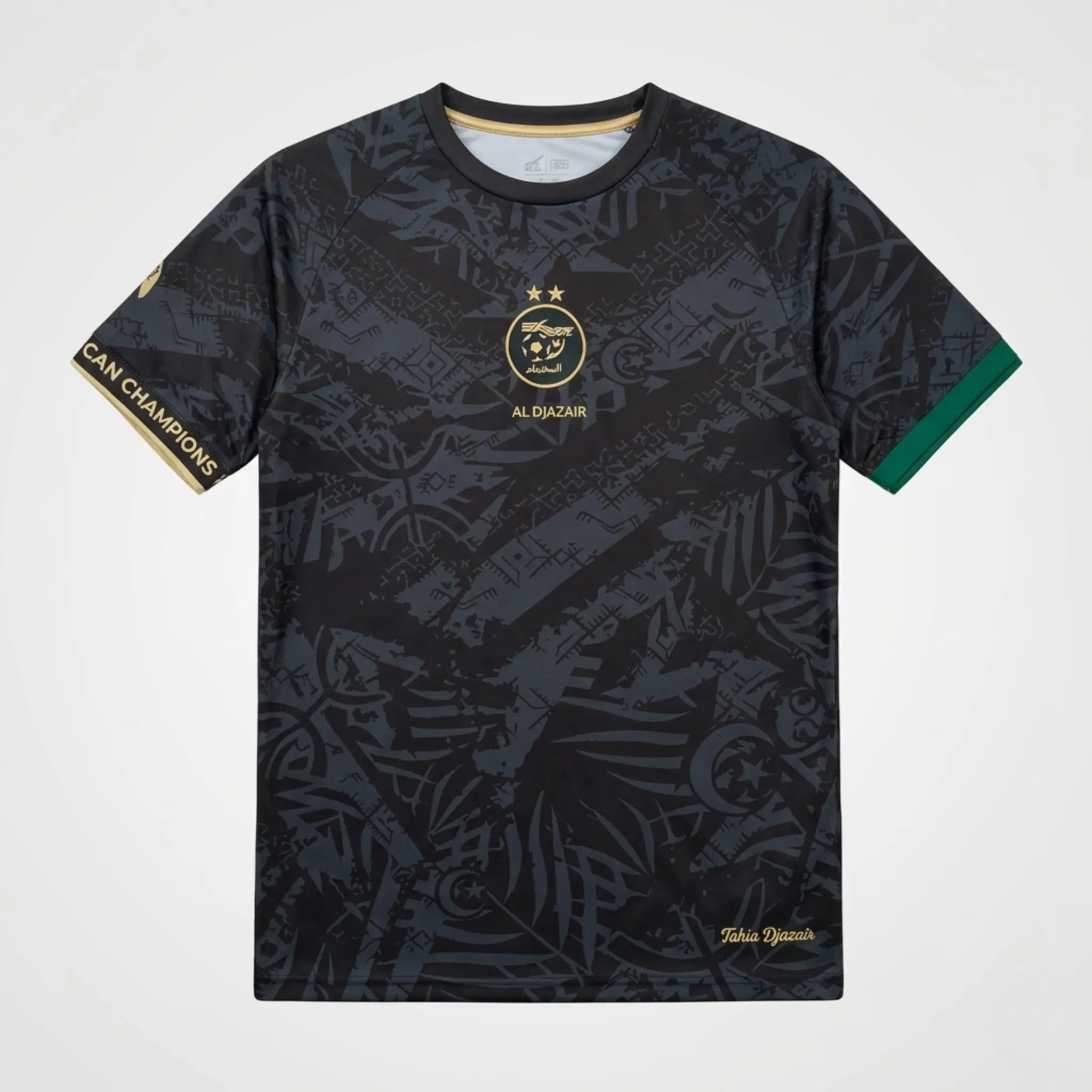
Buy a personalized Algeria jersey Buying from a reputable store that doesn't reproduce protected logos is a completely different experience than buying counterfeit Adidas. The former is legal, traceable, and comes with an invoice. The latter exposes the buyer to customs seizure and contributes to funding networks that violate intellectual property. The price difference between the two is often much smaller than you might think. If you want to wear the colors of the Algerian national team with your own custom flocking, the collection personalized Algeria jersey Sawa Football offers a clear and unapologetic alternative, without any counterfeit logos.
The economic and ethical impacts of jersey counterfeiting
There counterfeit football shirts is not a victimless crime.It represents a considerable loss of revenue for national federations, clubs, and equipment manufacturers who invest heavily in the development of football. It also finances organized criminal networks that use counterfeiting as one of their activities.
The impact on African federations
For federations like the FAF (Algeria), the FRMF (Morocco), and the FSF (Senegal), the rights associated with official jerseys represent a significant source of revenue. This revenue funds training centers, women's national teams, and youth teams. Every counterfeit jersey sold directly deprives these organizations of a portion of their funding. The argument that "clubs are rich anyway" doesn't hold water for African federations, whose budgets remain limited on a global scale.
The conditions under which counterfeit goods are produced
The vast majority of counterfeit jerseys Counterfeit goods in circulation are manufactured in clandestine workshops in Southeast Asia, often in extremely poor working conditions, with no regard for social or environmental standards. The materials used are uncertified and may contain chemicals banned in Europe. Buying a counterfeit product also implicitly validates these production conditions.
FAQ
Can you get arrested for buying a fake football shirt?
In theory, yes; in practice, no, for an individual buying for personal use. Law enforcement focuses its efforts on sellers and importers. The real, tangible risk for the buyer is customs seizure of the package before delivery, without the possibility of a refund, if the order originates from a country outside the European Union.
Is it illegal to sell a fake jersey on Vinted or Le Bon Coin?
Yes, even occasional transactions between individuals. Any commercial transaction involving counterfeit goods is illegal in France. Platforms like Vinted collaborate with rights holders to remove fraudulent listings and transmit the data of repeat offenders to the relevant authorities upon judicial request.
What is the difference between a fake jersey and an unofficial jersey?
A counterfeit jersey fraudulently reproduces registered logos (brand, official crest) without authorization. An unofficial jersey is inspired by the colors of a national team without reproducing these protected elements. The latter is legal if no intellectual property rights are violated. This distinction is the basis for transparent custom jersey shops.
Are counterfeit jerseys ordered online seized by customs?
Yes, regularly. French and European customs officials intercept packages containing counterfeit textiles, primarily from Asia. If seized, the package is destroyed and the buyer receives no refund. The likelihood of seizure has increased in recent years with the strengthening of border controls within the EU.
What are the penalties for reselling counterfeit football jerseys?
In France, the commercial resale of counterfeit goods is punishable by three years' imprisonment and a €300,000 fine under the Intellectual Property Code. These penalties can be increased in cases of organized crime or repeat offenses. Actual convictions have been handed down in recent years, even for relatively small quantities.
A legal alternative exists, and it is accessible.
Now that you know the real risks, the practical question is simple: how can you wear your team's colors without taking any legal risks? The answer lies in the distinction between counterfeit and unofficial jerseys. Choosing a transparent store that sells jerseys inspired by national colors without reproducing protected logos allows you to support your favorite team without participating in an illegal economy.