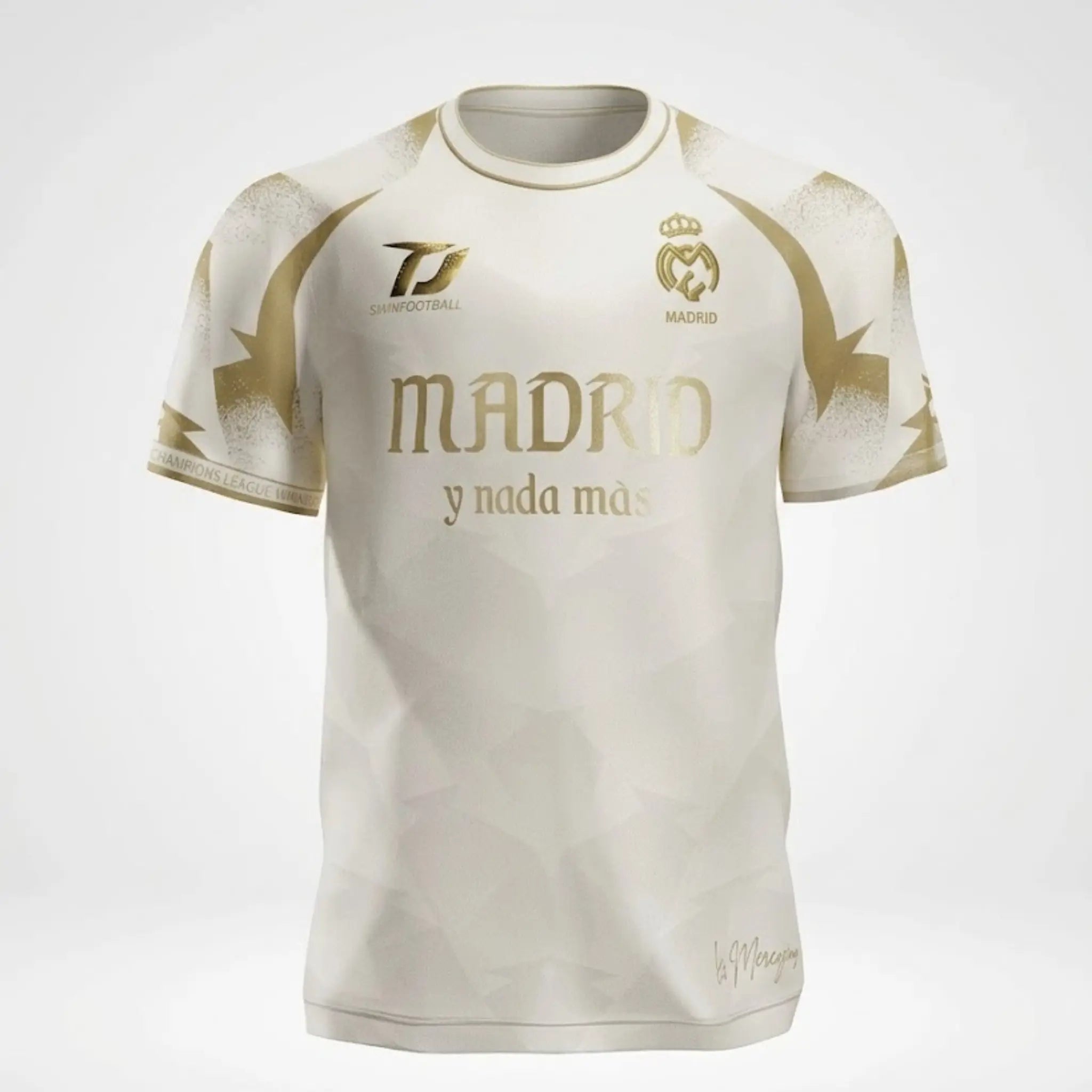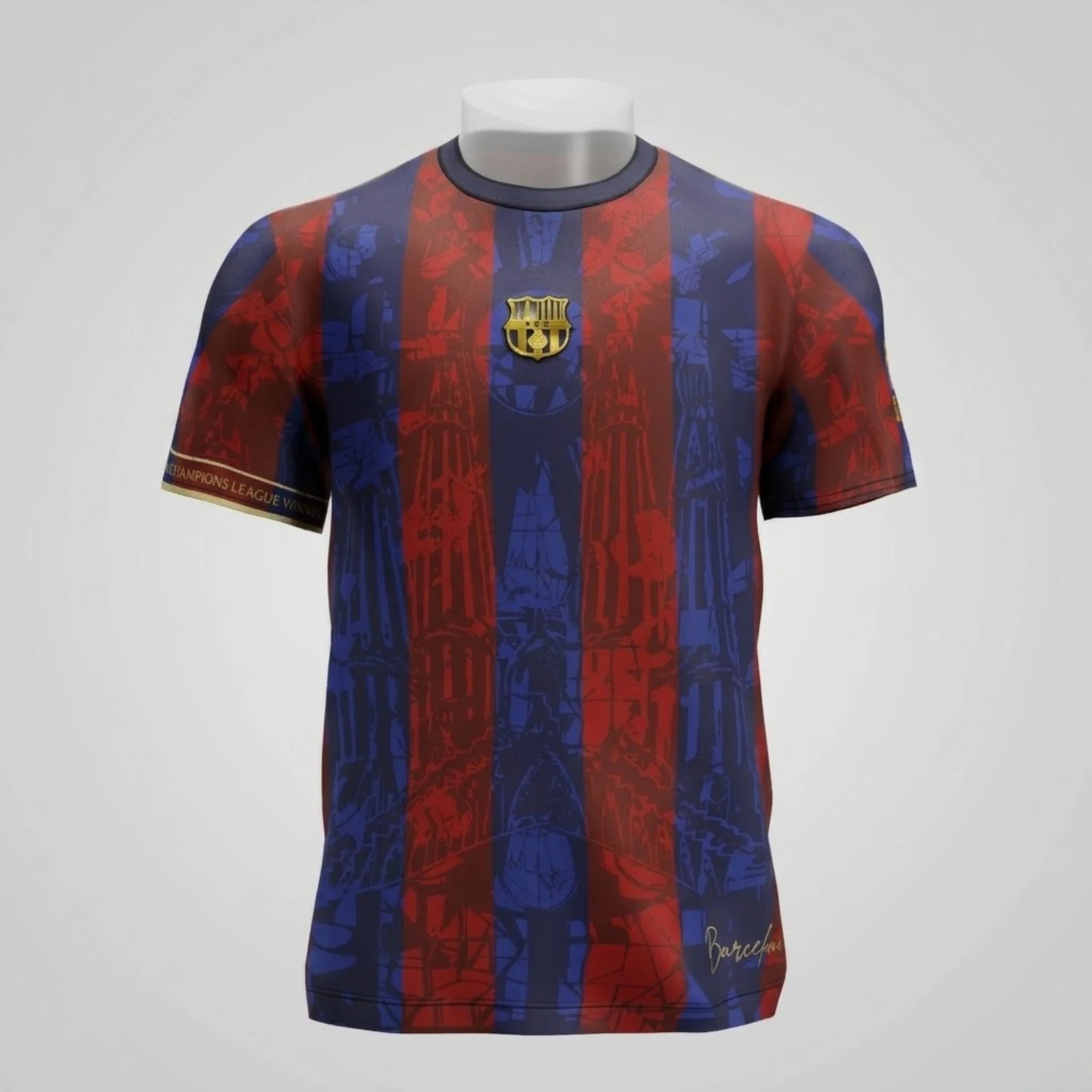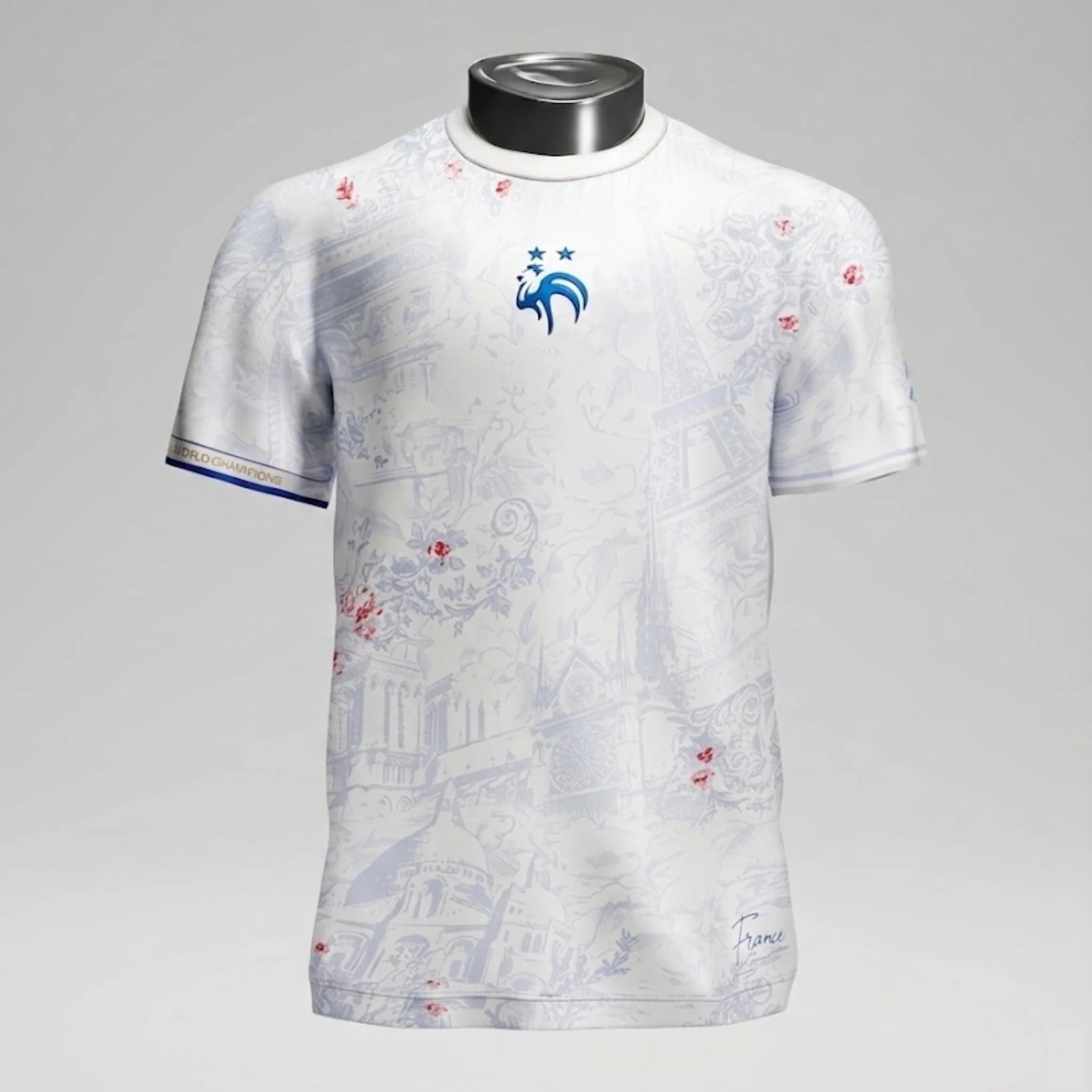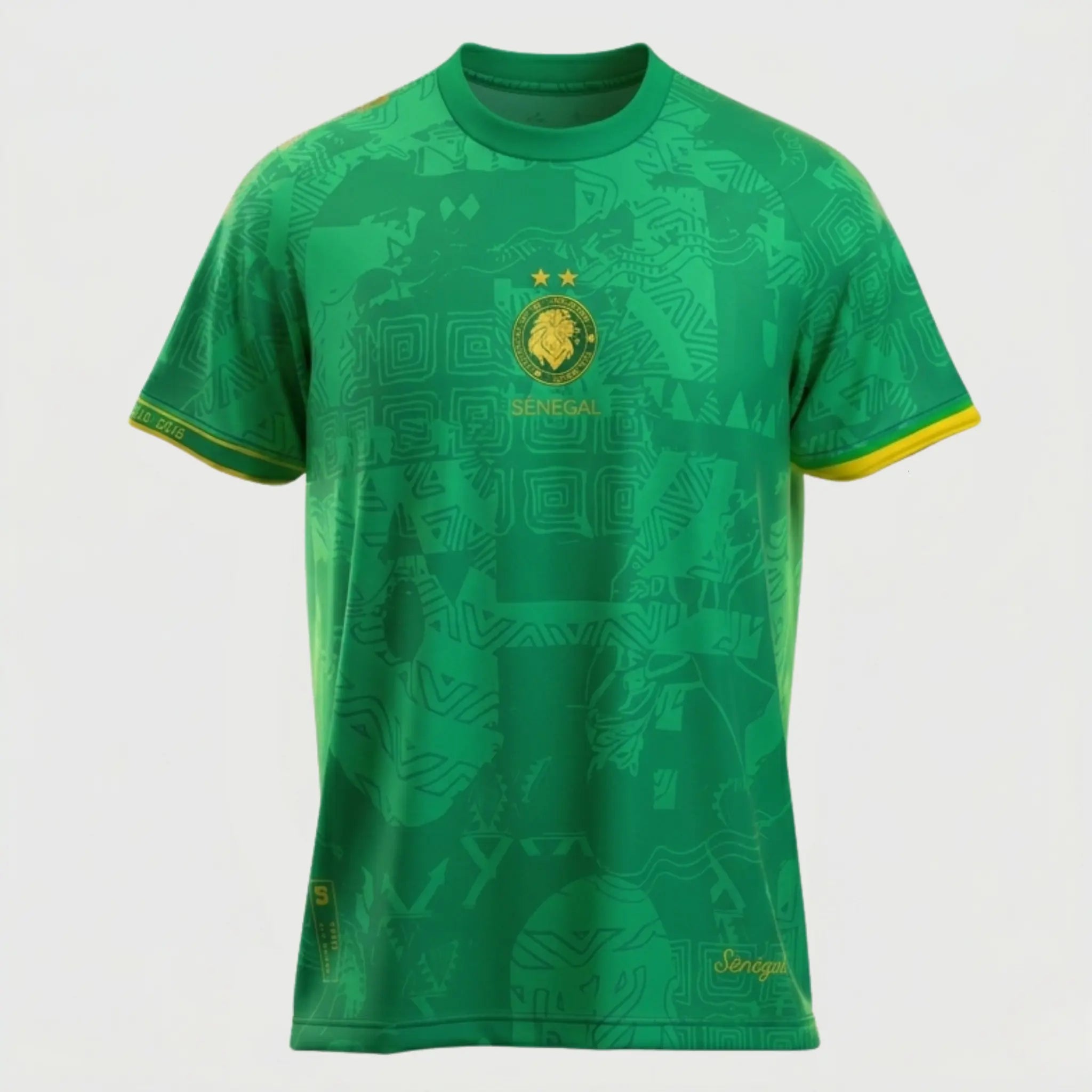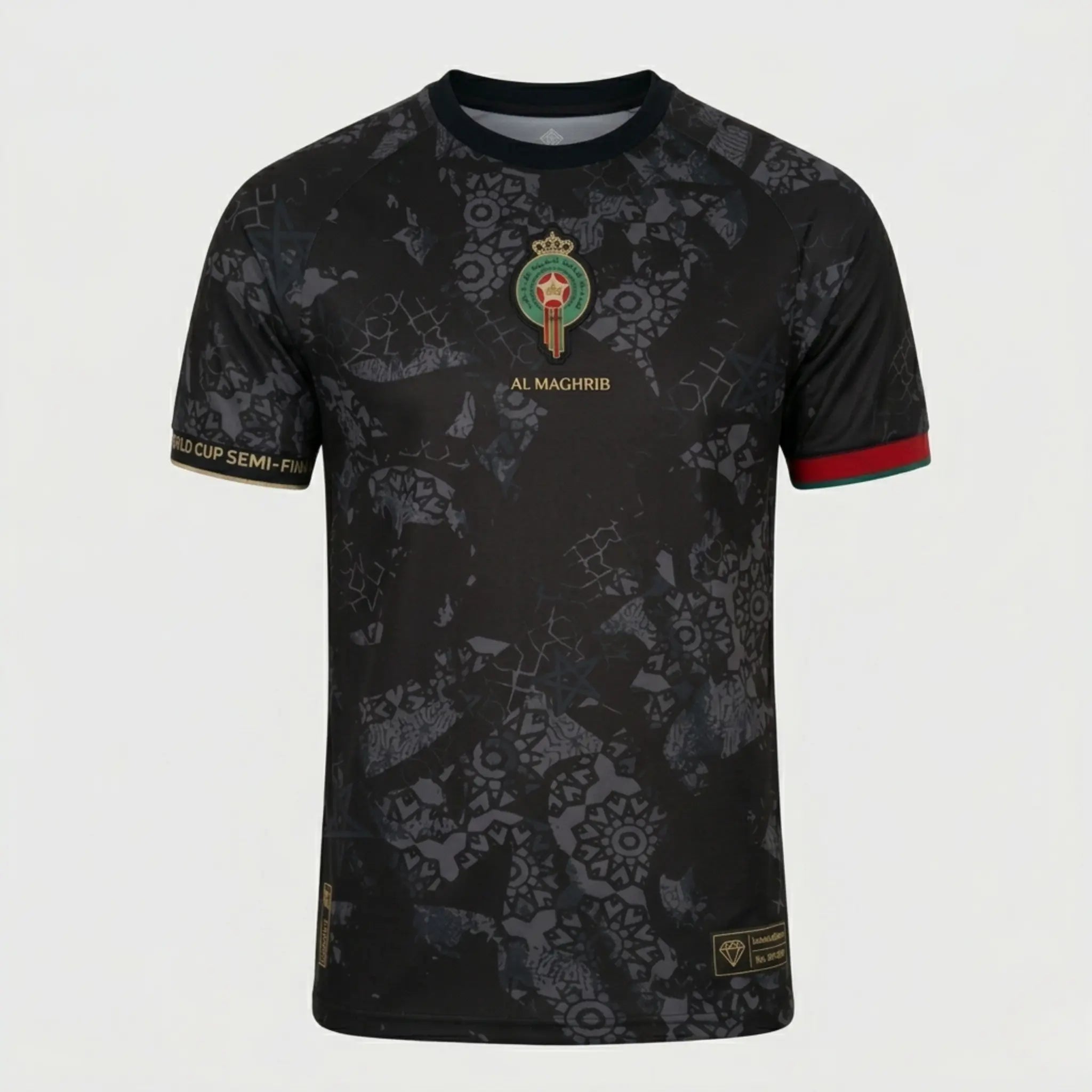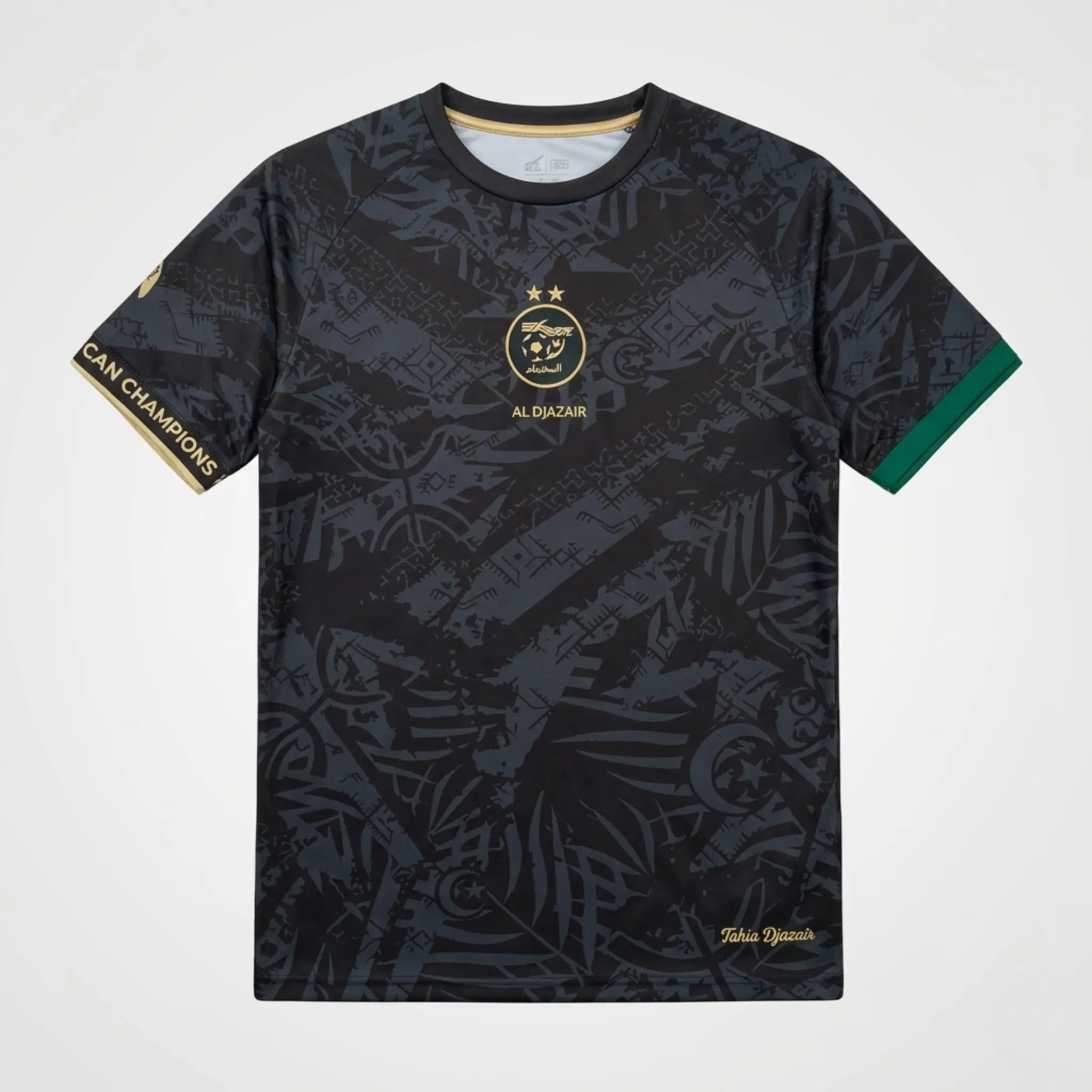

A football jersey Improper washing can lead to flocking that peels off, colors that fade, or fabric that shrinks after just two washes. Yet, the correct settings are simple: wash in cold water or... 30°C Maximum power, delicate cycle, reduced spin speed, and never tumble dry. These four rules are enough to preserve a swimsuit for years.
This guide details each step of the washing process, the mistakes to absolutely avoid, the products compatible with technical polyester, and how to treat stubborn stains without damaging the patch or the flocking.
Washing temperature, the most important setting for a football shirt
The majority of football jerseys are made of technical polyester, sometimes blended with elastane. These materials do not withstand heat well. Beyond 40°C, The fibers begin to deform, the colors change and the heat-bonded flocking softens, causing progressive peeling.
30°C or cold wash: what's the real difference?
Washing 30°C This is sufficient to remove perspiration, grass stains, and light dirt. For a lightly soiled jersey, cold water is perfectly adequate and preserves colors even better. Cold washing is particularly recommended for brightly colored jerseys such as red, neon green, or white, which are most prone to yellowing or fading.
What really happens at 60°C
HAS 60°C, polyester can shrink 3 to 8% Depending on the fabric quality, a size M jersey can become too small for comfortable wear. The flocking, meanwhile, can start to bubble or crack. This damage is irreversible. Even a single temperature error can ruin a brand new jersey.
The ideal machine program to avoid damaging technical fabrics
The program delicate Or synthetic, Available on almost all modern washing machines, it is the right choice for a football jersey. It combines gentle agitation, a low temperature, and limited spin speed. Avoid the cotton program: it is too harsh on synthetic fibers and generates excessive friction between garments.
The spin speed not to exceed
Limit the spin cycle to 600 revolutions per minute Maximum spin speed. Beyond that, the spin cycle stretches the polyester fibers and distorts the seams. On some machines, the synthetic program automatically sets this limit. If not, adjust it manually. A slightly damp jersey coming out of the machine is better than one spun at 1200 rpm and misshapen.
Should the jersey be washed inside out?
Yes, absolutely. Turning the jersey inside out before washing it protects the flocking, embroidered patches, and sublimated prints from friction with other clothes. It's a simple habit that doubles or triples the lifespan of the markings. For the flocked jerseys Having a name and a number makes it even more important.
Laundry detergents compatible with sports polyester
Conventional powdered laundry detergents contain bleaching agents and harsh enzymes that damage synthetic fibers over time. Opt for a liquid laundry detergent for delicates or specifically for technical sportswear. These formulas respect the water-repellent treatments and breathable properties of the fabric.
Bleach, fabric softener and stains: what you should never do
Bleach is to be completely banned on a football jersey, Even diluted, it will irreversibly discolor the fabric in minutes. Fabric softener, on the other hand, is often perceived as harmless, but it clogs the pores of technical fabrics and reduces their breathability. For regular washing, water and mild detergent are perfectly sufficient.
Use the correct dosage to avoid residue.
Using too much detergent leaves residue in the fibers after rinsing. This residue promotes unpleasant odors and makes the fabric slightly stiff. The recommended dose for a sports jersey is lower than that indicated on the bottle, since polyester does not retain much oily dirt. Half the standard dose is usually sufficient.
How to treat stains before machine washing
Grass, mud, and sweat stains are the most common on a football jersey. Letting a stain dry before treating it is the first mistake: it becomes embedded in the fibers and much harder to remove. Ideally, you should treat it within... 30 minutes following the end of the match or training session.
Grass stains: soak briefly before machine washing
Grass stains contain chlorophyll, a tenacious pigment. Soaking them in 15 to 20 minutes In most cases, rinsing in cold water with a few drops of dish soap is sufficient. Do not rub: gently dab with a clean cloth. Rubbing will spread the stain and may damage the fabric surface.
Mud stains: wait for them to dry
Counterintuitive but effective: wait until the mud is completely dry before attempting to remove it. Fresh mud, if rubbed, spreads and penetrates deeper into the fibers. Once dry, it crumbles and can be easily removed by hand or with a soft brush before machine washing. 30°C.
Lingering odors after washing
If a football jersey If it retains an odor after washing, this is often due to bacteria lodged in the fibers. Soaking it 30 minutes in a solution of cold water and white vinegar (1 glass for 5 liters) before machine washing eliminates bad odors without altering the colors or the fabric.
Drying after washing is a step just as important as the washing machine.
The tumble dryer is prohibited for a football jersey Made of polyester. The heat produced, even on a delicate cycle, is enough to deform the fibers, shrink the fabric, and remove heat-sealed markings. Air drying is the only viable option, either flat or on a hanger in a well-ventilated area.
Drying flat or on a hanger: which to choose?
Drying flat on a clean surface is ideal for jerseys with heavy embroidery (thick patches) that could stretch under their own weight on a hanger. For standard jerseys, a hanger is perfectly suitable as long as it's wide enough: a hanger that's too narrow will leave marks on the shoulders and distort the neckline after several drying cycles.
Exposing to direct sunlight: good idea or bad idea?
Direct sunlight speeds up drying but fades bright colors over time, especially reds and blacks. It's best to dry in the shade in a well-ventilated area. Indoors, a simple breeze is enough: a polyester jersey will dry in 1.5 to 2 hours in good ventilation conditions.
Caring for a personalized or flocked jersey: specific precautions
A custom jersey Adding a name, number, or specific flocking requires the same basic precautions, but with increased vigilance regarding two points: temperature and friction. Personalized flocking is heat-sealed onto the fabric, and heat or repeated rubbing will eventually cause it to detach if care is not taken.
If you have just acquired a personalized football jersey, wait 24 hours after receipt before the first wash: the flocking needs to stabilize completely on the fabric before facing water and centrifugation.
How many washes before the flocking degrades?
A quality flocking, when applied correctly, resists 50 to 80 washes without visible damage if proper care is taken (wash inside out, 30°C, gentle spin, no tumble drying). Improperly applied flocking or flocking washed at too high a temperature can start to peel off as soon as 5th or 10th wash.
FAQ
At what temperature should I wash a football shirt without damaging the flocking?
Wash your football shirt at a maximum of 30°C on a delicate or synthetic cycle. Above 40°C, the polyester fibers will lose their shape and the heat-sealed flocking will begin to soften, causing bubbles and peeling. Cold washing is even safer for bright colors.
Can you put a football shirt in the dryer?
No. Tumble drying is strictly prohibited for all polyester football shirts. The heat shrinks the fabric, removes the markings, and distorts the seams. Always air dry, flat or on a wide hanger, in the shade in a well-ventilated area.
How do I remove a grass stain from a football shirt?
Treat quickly: Soak the stained area in cold water with a few drops of dish soap for 15 to 20 minutes. Dab gently without rubbing, then machine wash at 30°C. Do not let the stain dry before treating it; it will become embedded in the fibers and more difficult to remove.
Should you wash a football shirt inside out?
Yes, always. Turning the jersey inside out before washing protects the flocking, embroidery, and prints from friction with other clothes. It's a simple habit that significantly extends the lifespan of the markings, especially on jerseys personalized with a name and number.
What type of laundry detergent should I use to wash a football jersey?
Use a liquid detergent for delicate fabrics or a special detergent for technical sportswear. Avoid powder detergents with bleaching agents, bleach, and fabric softener. These products damage synthetic fibers and clog the fabric pores, reducing its breathability.
The next step after a good interview
A well-maintained jersey retains its colors, feel, and flocking for years. Now that you know all the right settings, the next logical step is to choose a jersey that deserves this care: well-made, with quality flocking, personalized to your style. That's exactly what the collection offers. Custom Morocco jersey from Sawa Football, with free worldwide delivery.