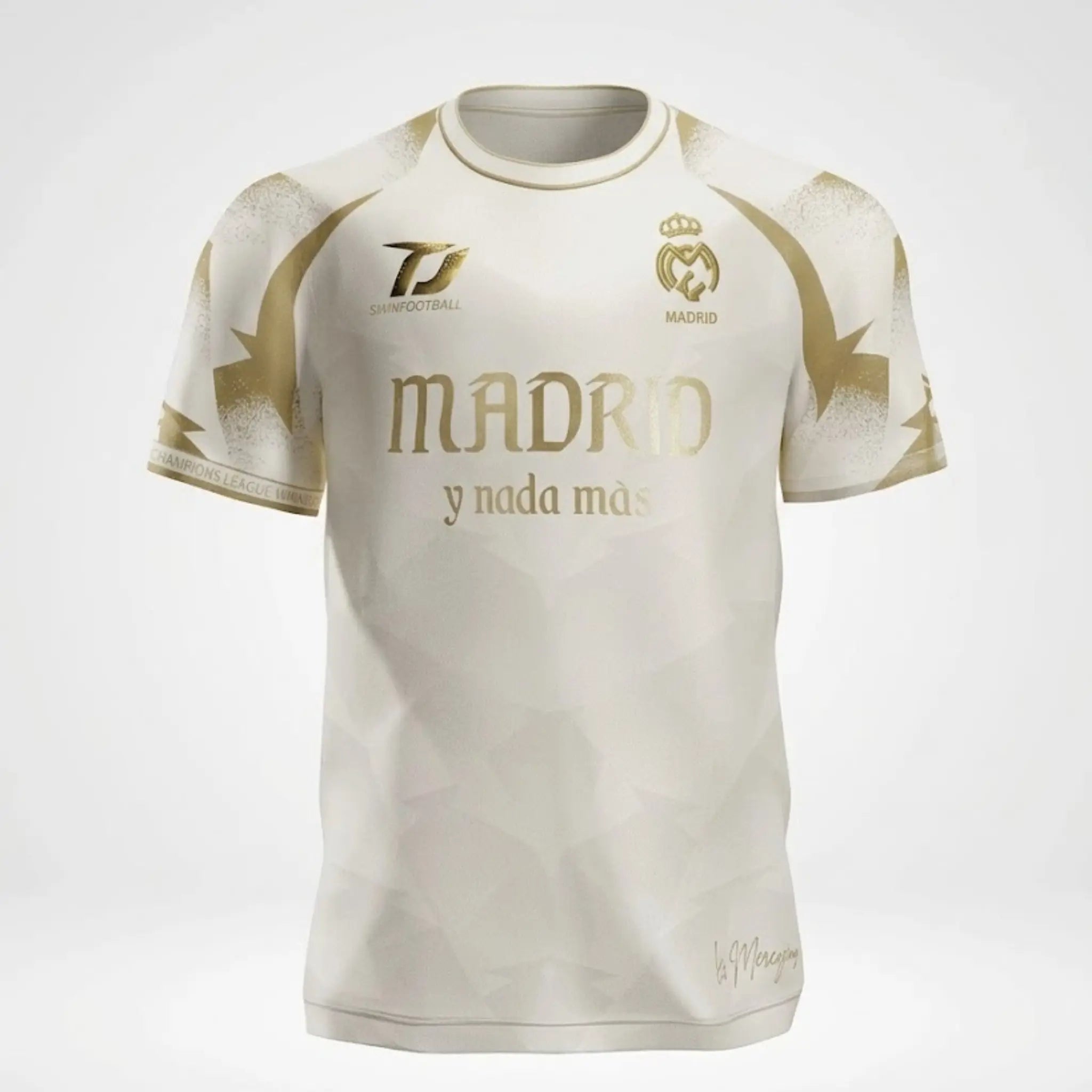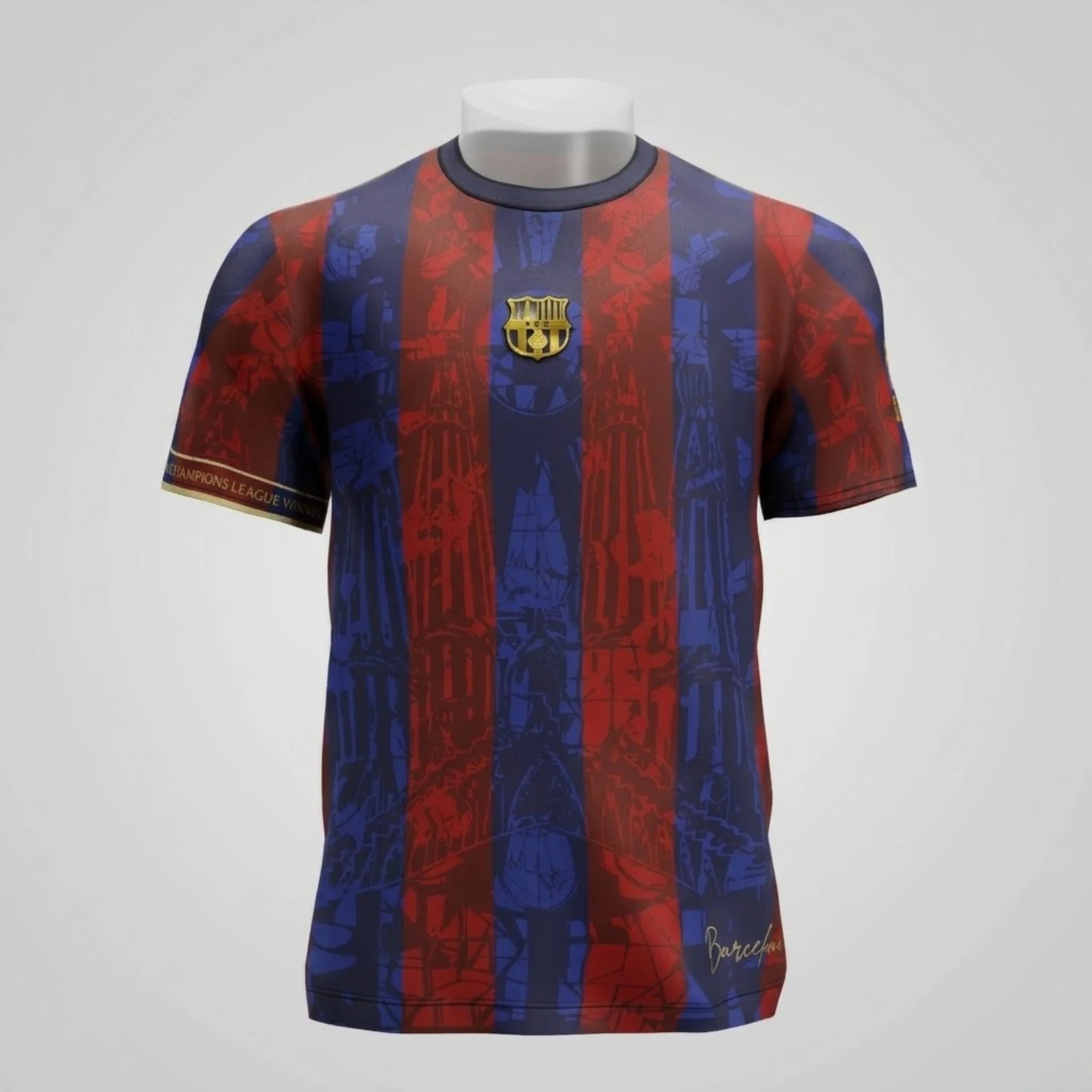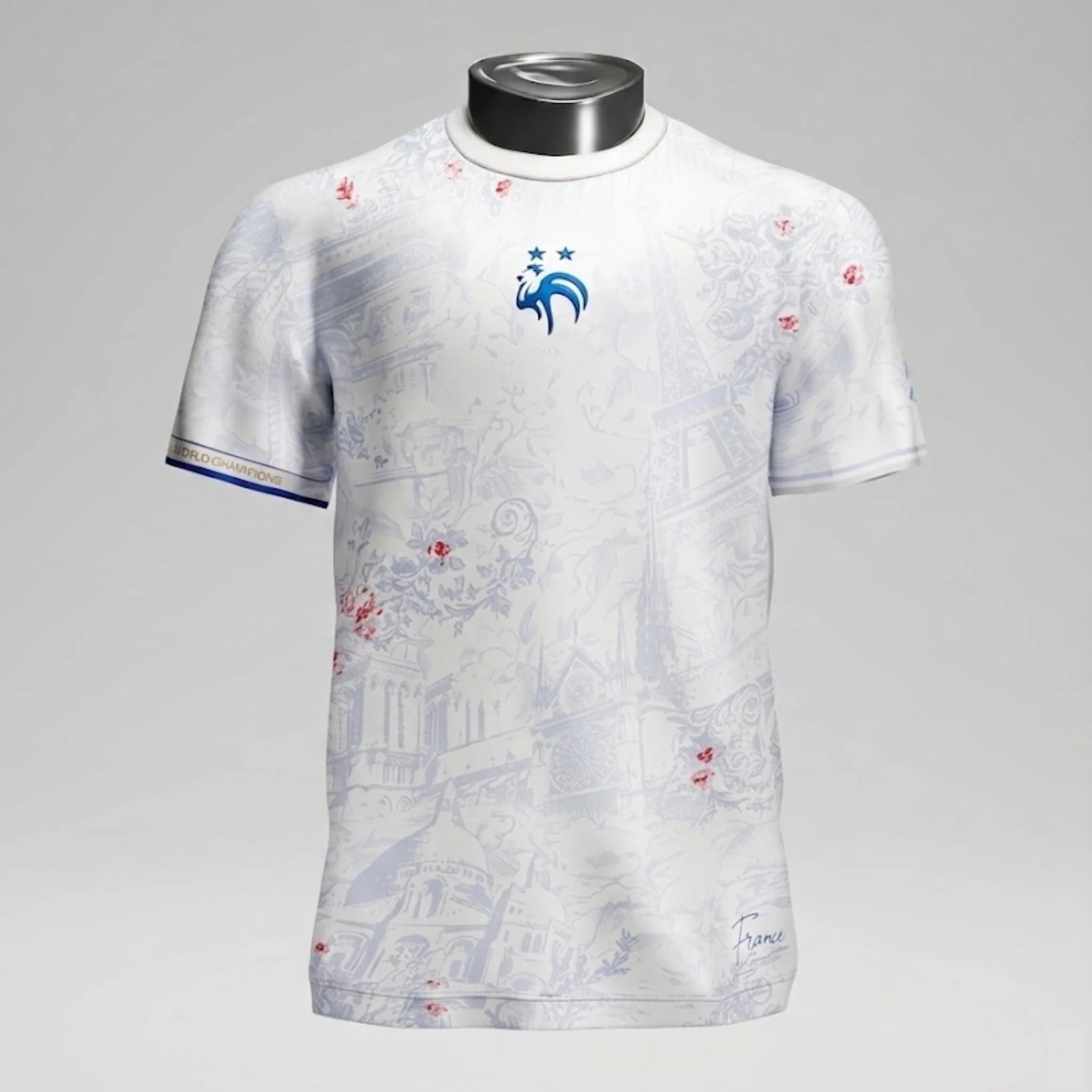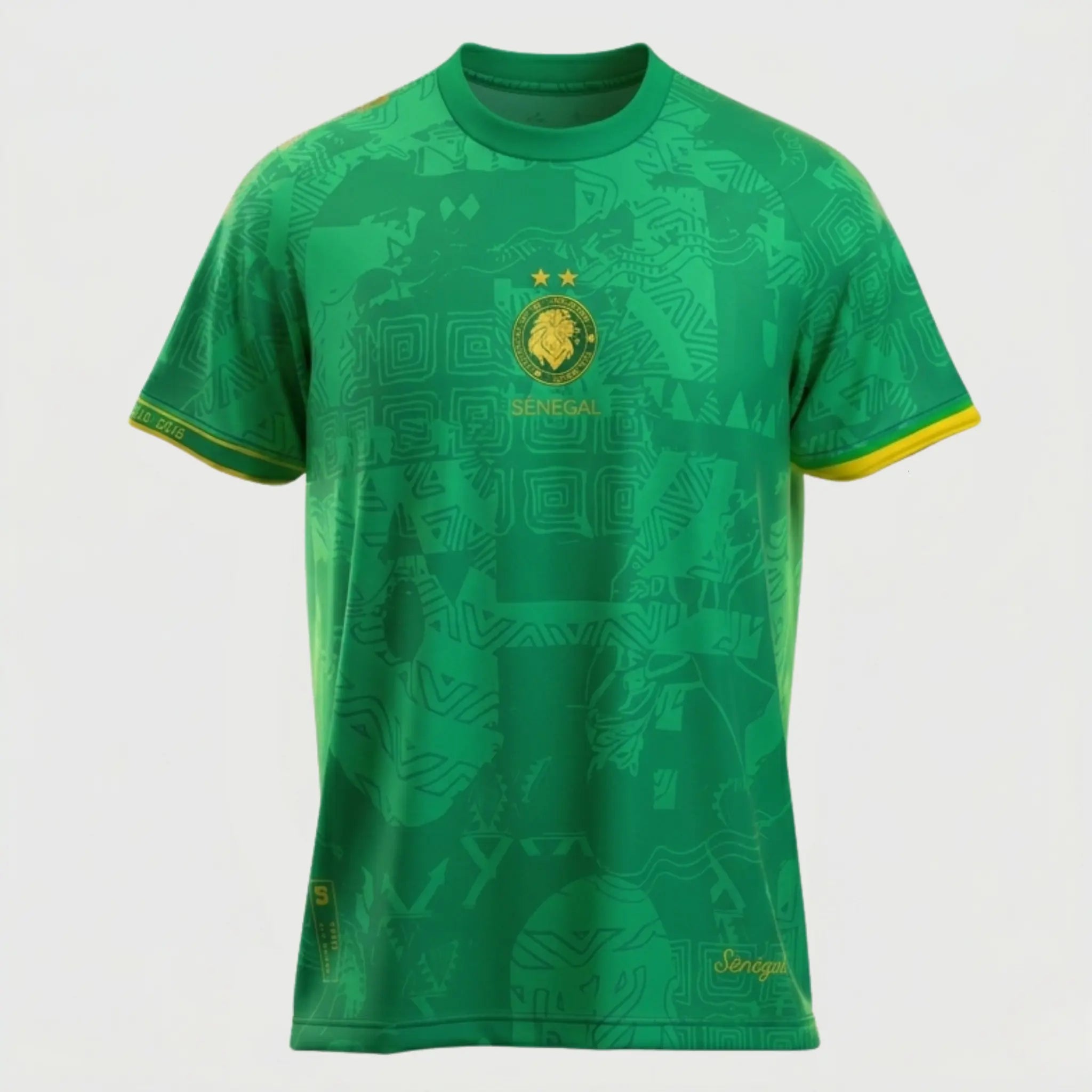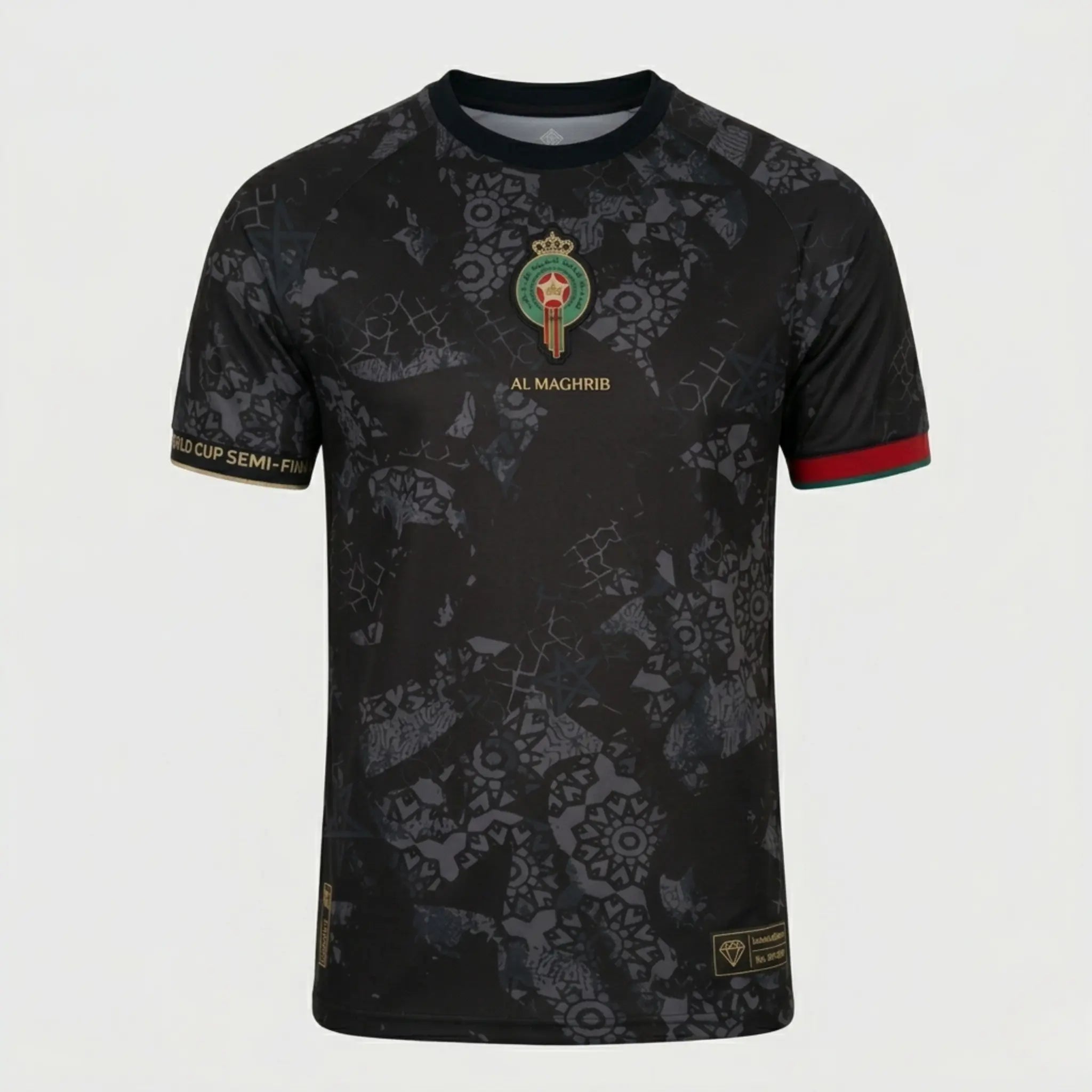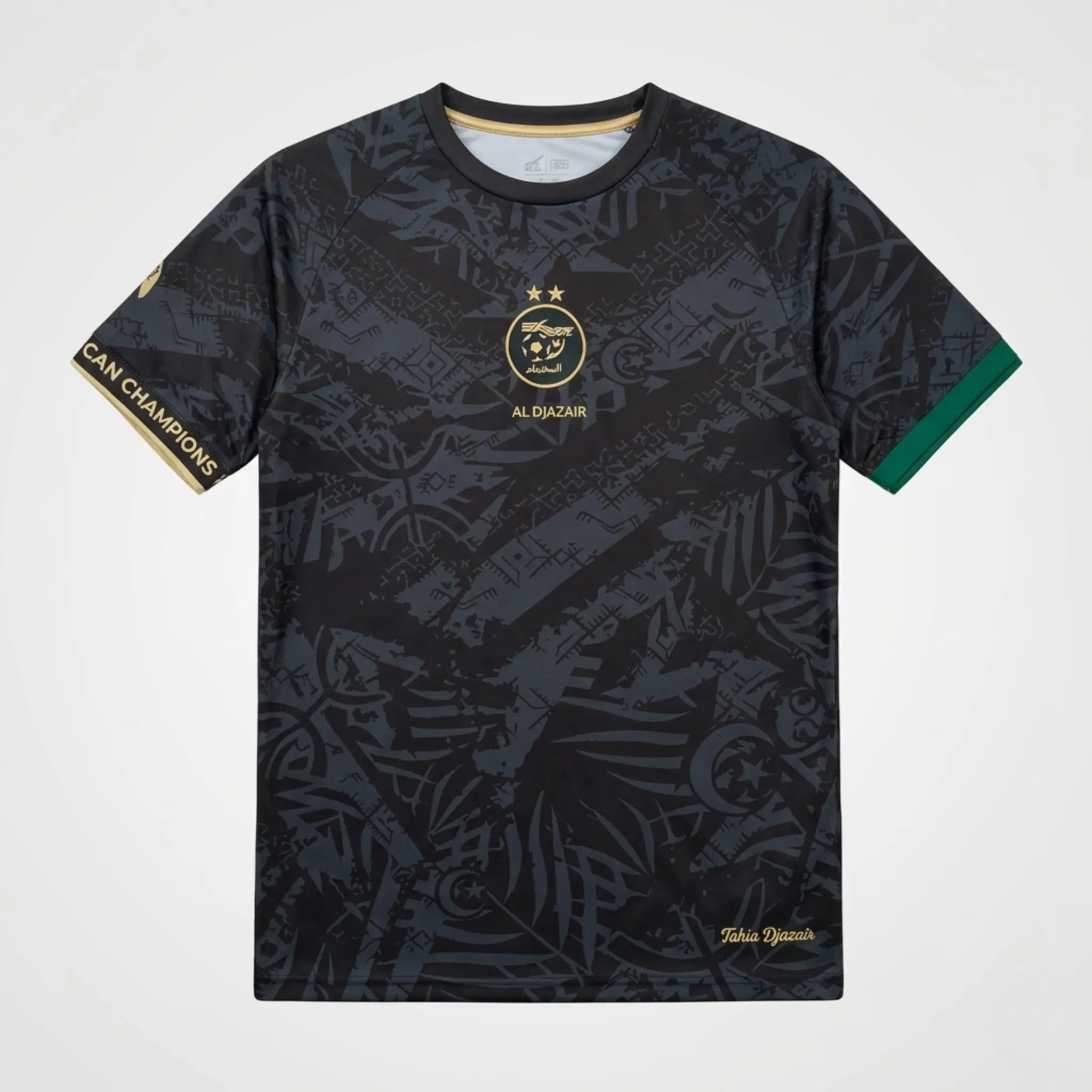

- Real Madrid's jersey doesn't have any stars because UEFA distinguishes its multiple winners differently.
- They receive a badge sewn onto the sleeve, available to those with 5 European titles or 3 consecutive victories.
- Real Madrid has a total of 15 Champions League titles, from the 1955-1956 season to the 2023-2024 season.
- Only six European teams currently meet one of the two conditions set by UEFA.
Real Madrid's jersey doesn't have a star because UEFA rewards its multiple winners with a badge sewn on the sleeve, reserved for teams that have won five European Cups or three consecutive editions.
Whether in front of a display case or a match photo, the question constantly arises: Bayern Munich displays five stars above its logo, PSG two, and the most decorated team on the continent shows none. The immediate reaction is to see it as an oversight or a designer's whim. The real reason lies in two distinct systems, one written by UEFA for its competitions, the other by each national league for its championship. This article details the European rule, the exact placement of the sign on the football jersey, the list of teams entitled to it, and the scale that serves as a counter-example.
Why does Real Madrid not have a star on its jersey?
Real Madrid does not display a star because no European distinction takes this form. UEFA recognizes repeated winners of its premier competition with a multiple-winner badge, worn on the sleeve, and not with a symbol sewn above the crest.
The confusion comes from the coexistence of the two signs on the same field. The star comes from a national tradition, decided by a league or by the club itself. The European badge comes from a competition regulation, applied identically to all participants. A team can display stars without ever having won in Europe, and wear the European badge without displaying any stars.
This idea of displaying achievements differently is also found on limited edition Madrid jerseys, whose golden embroideries reproduce each European Cup one by one, also on the sleeve.
What is the UEFA multiple-winner badge?
The multiple-winner badge is the only European achievement mark provided for by UEFA regulations. Concretely, it is an embroidered crest on the sleeve, worn in European matches by teams that have reached one of the two set thresholds.
Clubs that win a fifth European Cup or Champions League title, or three consecutive titles for the first time, receive an honorary badge.
UEFA, “How UEFA honours multiple European Cup winners”, uefa.comThe rule was extended to the Europa League in the 2018-2019 season, according to identical thresholds: three consecutive victories or a minimum of five victories. Sevilla FC was the first beneficiary.
How many Champions League titles has Real Madrid won?
Real Madrid has won fifteen European Cups and Champions League titles. The first triumph dates back to the 1955-1956 season, the most recent to 2023-2024. No other team on the continent has surpassed the ten-title mark.
15 Champions League titles are on Real Madrid's official record, from 1955-1956 to 2023-2024. Source: official club honours.
| Period | Winning Seasons | Titles |
|---|---|---|
| The first five editions | 1955-56, 1956-57, 1957-58, 1958-59, 1959-60 | 5 |
| The isolated triumph of the 1960s | 1965-66 | 1 |
| The European comeback | 1997-98, 1999-00, 2001-02 | 3 |
| The modern streak | 2013-14, 2015-16, 2016-17, 2017-18 | 4 |
| The current decade | 2021-22, 2023-24 | 2 |
This breakdown reveals a little-known peculiarity: the first five editions form a consecutive series, and the total far exceeds five. Real Madrid therefore meets both conditions, not just one.
Sawa Football's Madrid editions translate this list of achievements into golden embroideries on black fabric, in limited series designed in France.
See Madrid editionsWhich clubs are entitled to the multiple-winner badge?
Six teams meet one of the two conditions. Five gain access through the number of titles: Real Madrid, AC Milan, Bayern Munich, Liverpool, and Barça, while Ajax Amsterdam gains access solely through its three consecutive victories from 1971 to 1973.
| Club | Champions League Titles | Access Route |
|---|---|---|
| Real Madrid | 15 | Five titles and three consecutively (1956-1960) |
| AC Milan | 7 | Five titles |
| Bayern Munich | 6 | Five titles and three consecutively (1974-1976) |
| Liverpool | 6 | Five titles |
| Barça | 5 | Five titles |
| PSG | 2 | None |
These six teams come from five countries: Spain for Madrid and Barcelona, Italy for Milan, England for Liverpool, Germany for Munich, and the Netherlands for Amsterdam. No French team is included, not even Paris. On the English side, Manchester United has three, Chelsea two, Manchester City one, and Arsenal none. A big name in European football can therefore dominate its league for twenty years without ever earning the right to sew this emblem on its players' sleeves.
The logic is simple: it doesn't count the titles, it validates a threshold. Seven or five titles result in the same emblem, without distinction of quantity.
Until 2008, a five-time winner or a three-time consecutive holder kept the original cup. Since 2008, the original trophy remains permanently the property of UEFA, and only five teams still hold a copy.
Why do other clubs wear stars on their jerseys?
The stars worn in Europe correspond to national scales, set by each league or federation. The most formalized is German: the Deutsche Fußball Liga introduced a star system for champions in 2004, calculated only on titles won since 1963.
| Stars on the jersey | Championship titles required |
|---|---|
| 1 star | 3 titles |
| 2 stars | 5 titles |
| 3 stars | 10 titles |
| 4 stars | 20 titles |
| 5 stars | 30 titles |
This grid published by the Bundesliga explains the disparity between a five-star team and one that wears only one. The scale is only valid for this league: it does not apply to Madrid, Barcelona, or in UEFA competitions. The meaning of a star therefore changes from one country to another, whereas that of the European badge remains identical everywhere.
For national teams, the star refers to World Cup titles, an international distinction under FIFA, not club football. On the Madrid kit, nothing appears above the logo: color remains the sole identifier, and its history illuminates this sobriety, as told by the origin of Madrid's white.
For supporters and amateur players alike, the effect is concrete: a European match jersey doesn't display the same markings as a league model, and the details change every season, as shown in the breakdown of the 2025-2026 kit. Purchase preferences also follow achievements as much as design, as confirmed by the ranking of the best-selling Madrid jersey.
Is the multiple-winner badge also worn in the league?
The emblem is governed by UEFA's competition regulations. Therefore, it accompanies the jersey in the Champions League and, since 2018-2019, in the Europa League. National leagues apply their own kit rules, unrelated to this European distinction.
Why does Bayern Munich wear five stars and not Real Madrid?
Bayern applies the German system, which grants a fifth star for thirty league titles. This system is valid for Germany only. Real Madrid plays in Spain, where this champion star system does not apply.
What happens to the cup when a team wins five times?
Before 2008, a five-time winner or a three-time consecutive holder kept the original trophy. After 2008, the cup remains the permanent property of UEFA. Five teams still hold a copy awarded under the old rules.
Which club can wear this badge in the Europa League?
Sevilla FC was the first to be allowed to wear it in the Europa League, with five victories at the time the rule was extended. The threshold is identical: five total successes or three consecutive.
A sign that can be read on the sleeve
The next time a Madrid jersey appears on screen, the useful reflex is to look at the sleeve rather than the logo on the chest. That's where European recognition happens, in a few centimeters rarely filmed in close-up. An open question remains: if a new contender joined the circle of five titles, would they display their own star, or would they stick to the regulatory emblem as Madrid has done for decades?
Sawa Football designs its own jersey editions, embroidered and produced in limited series. Our guides are written internally based on our customers' questions, and every figure cited refers to its official source.