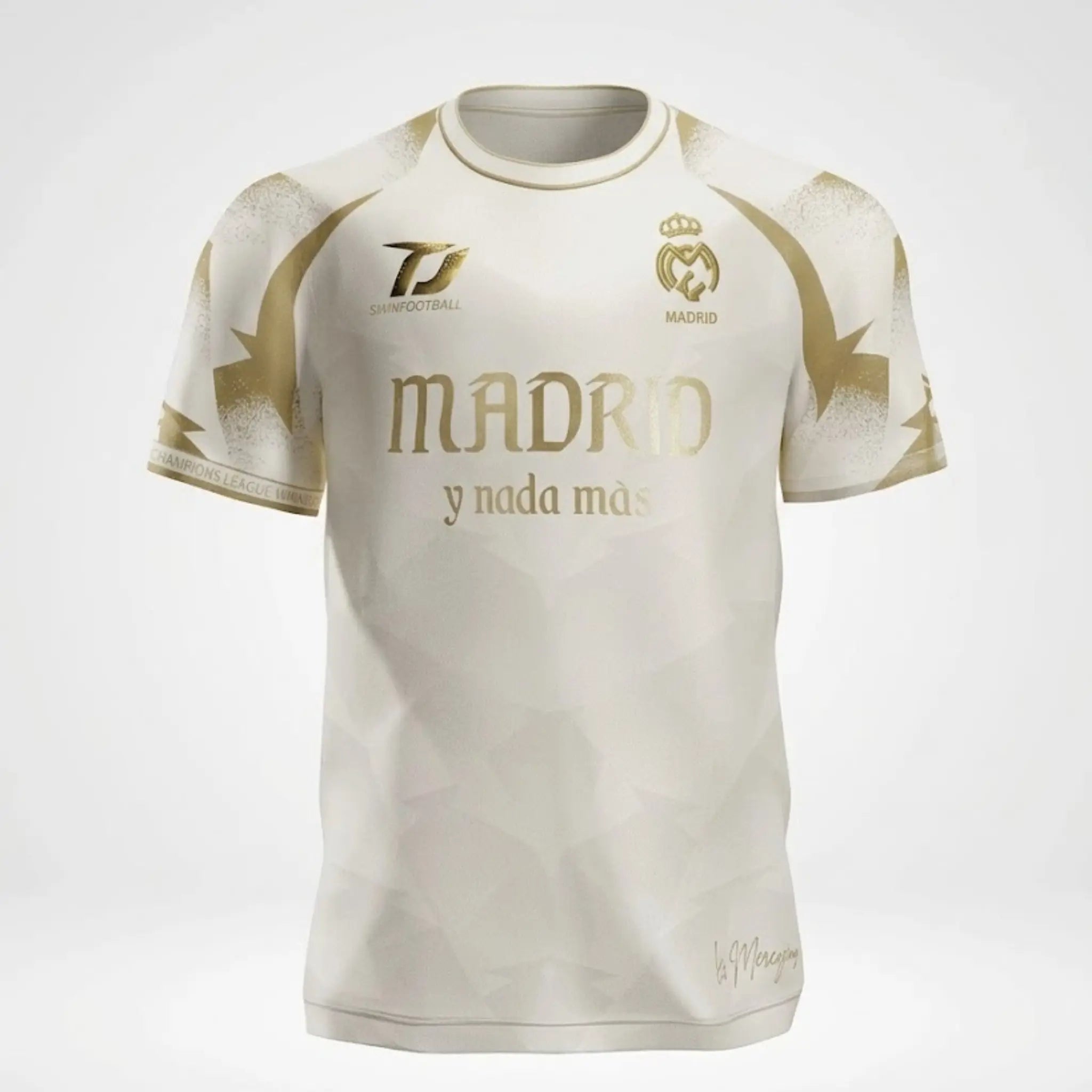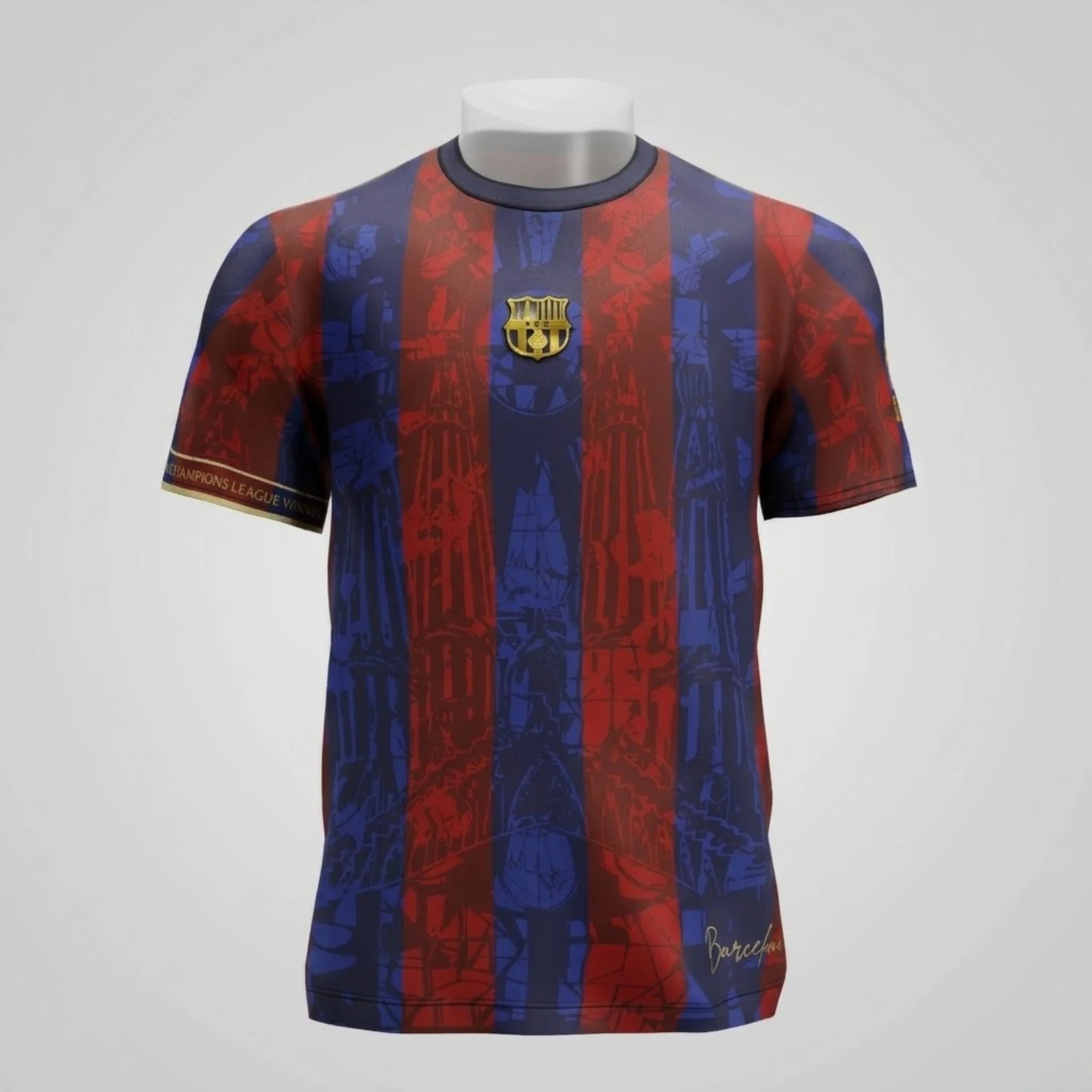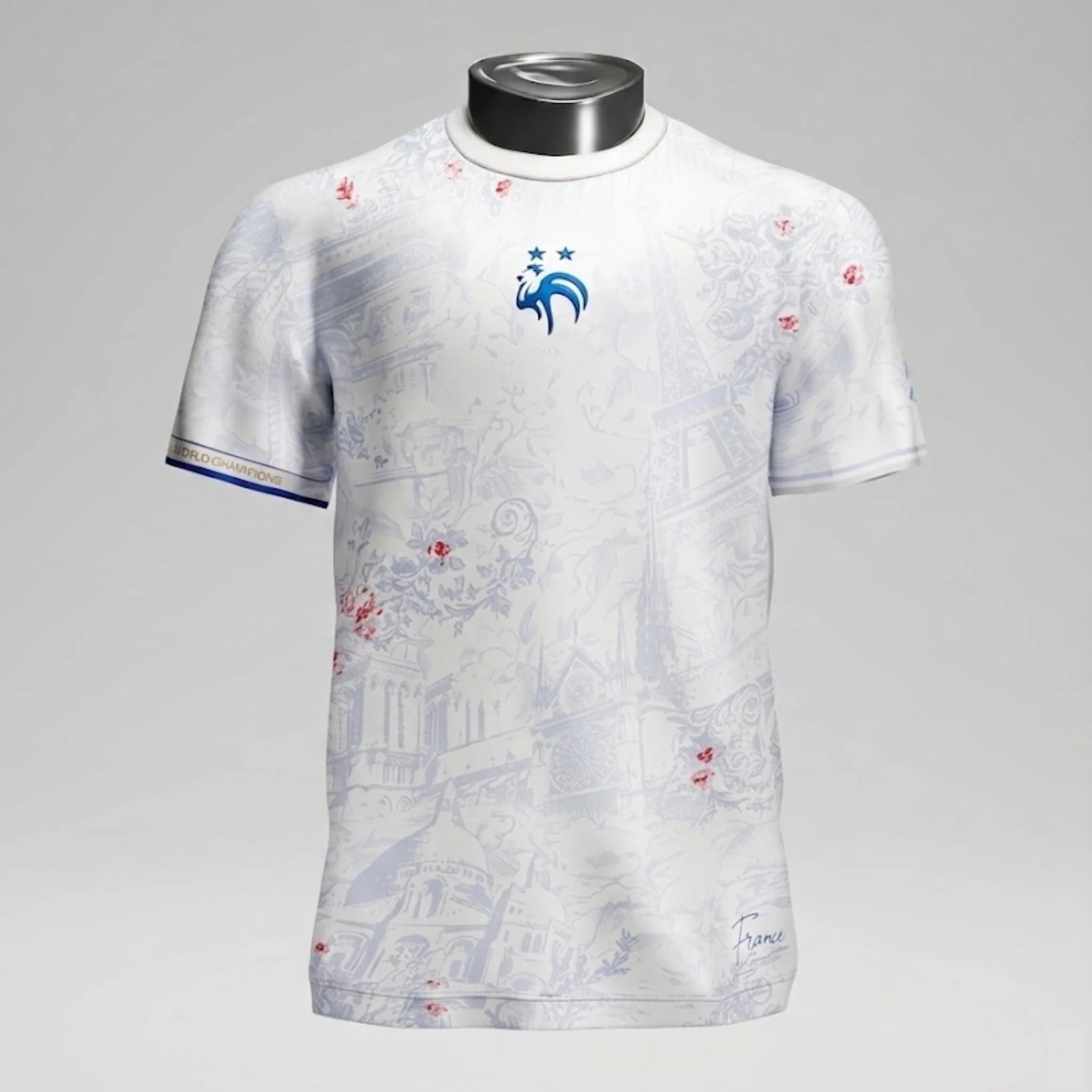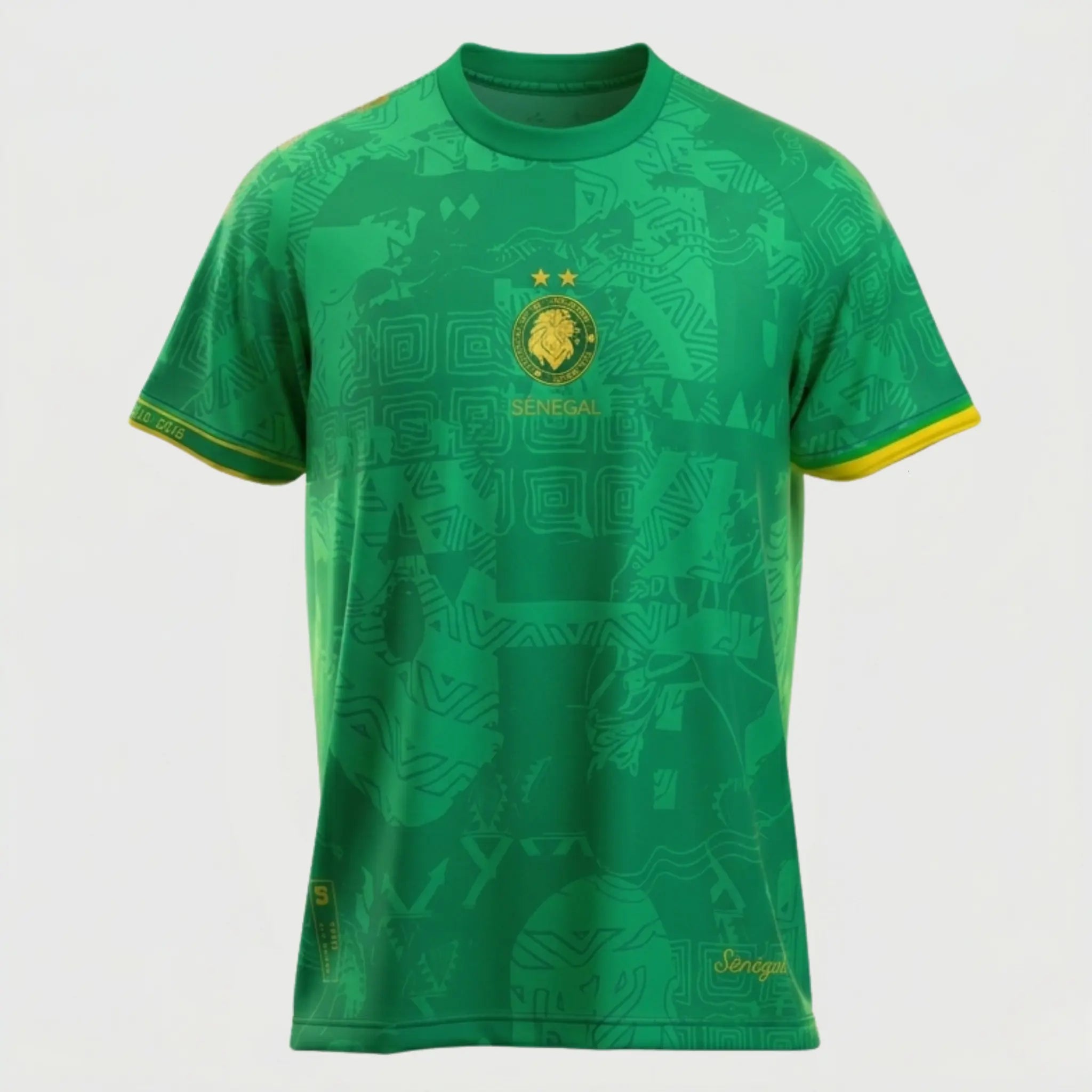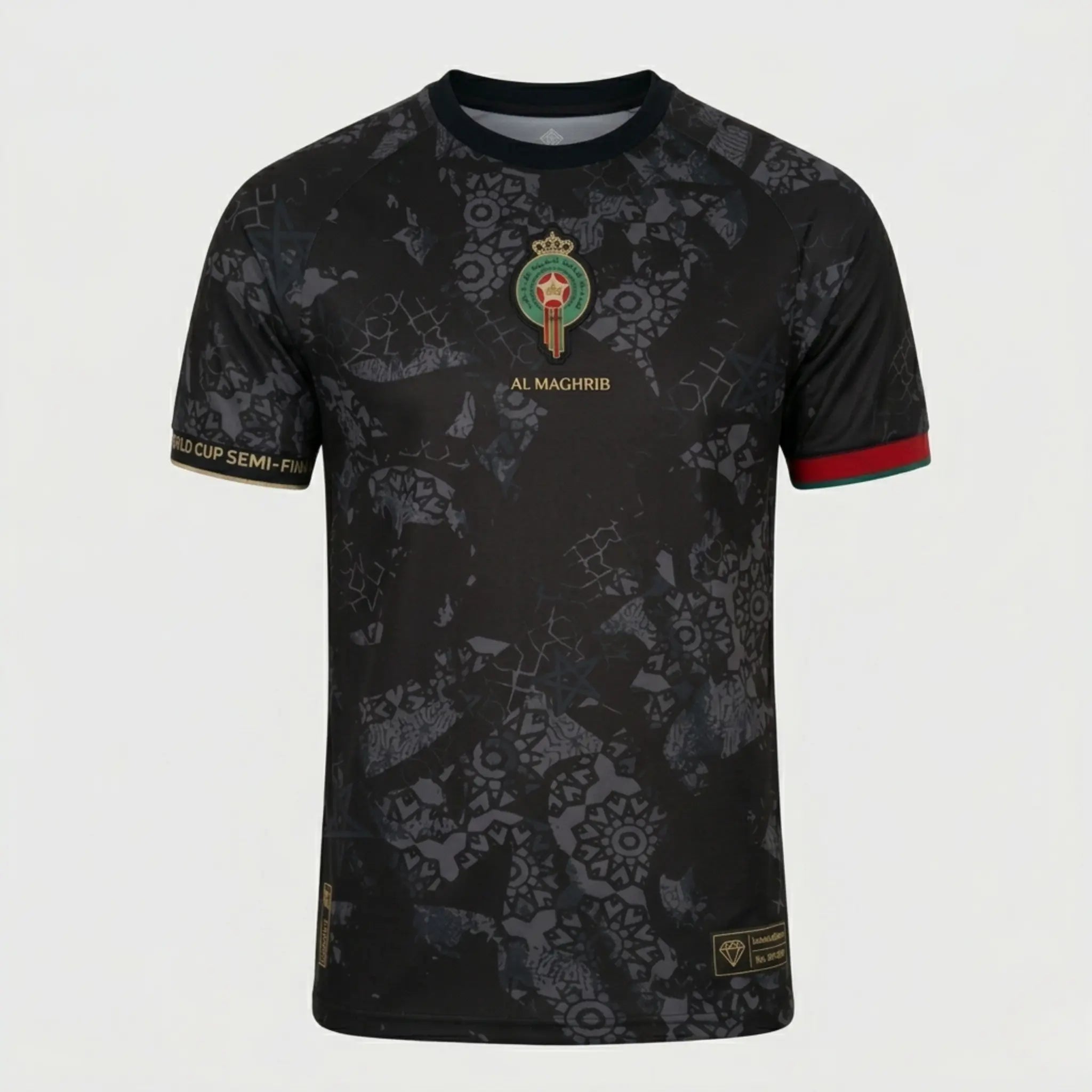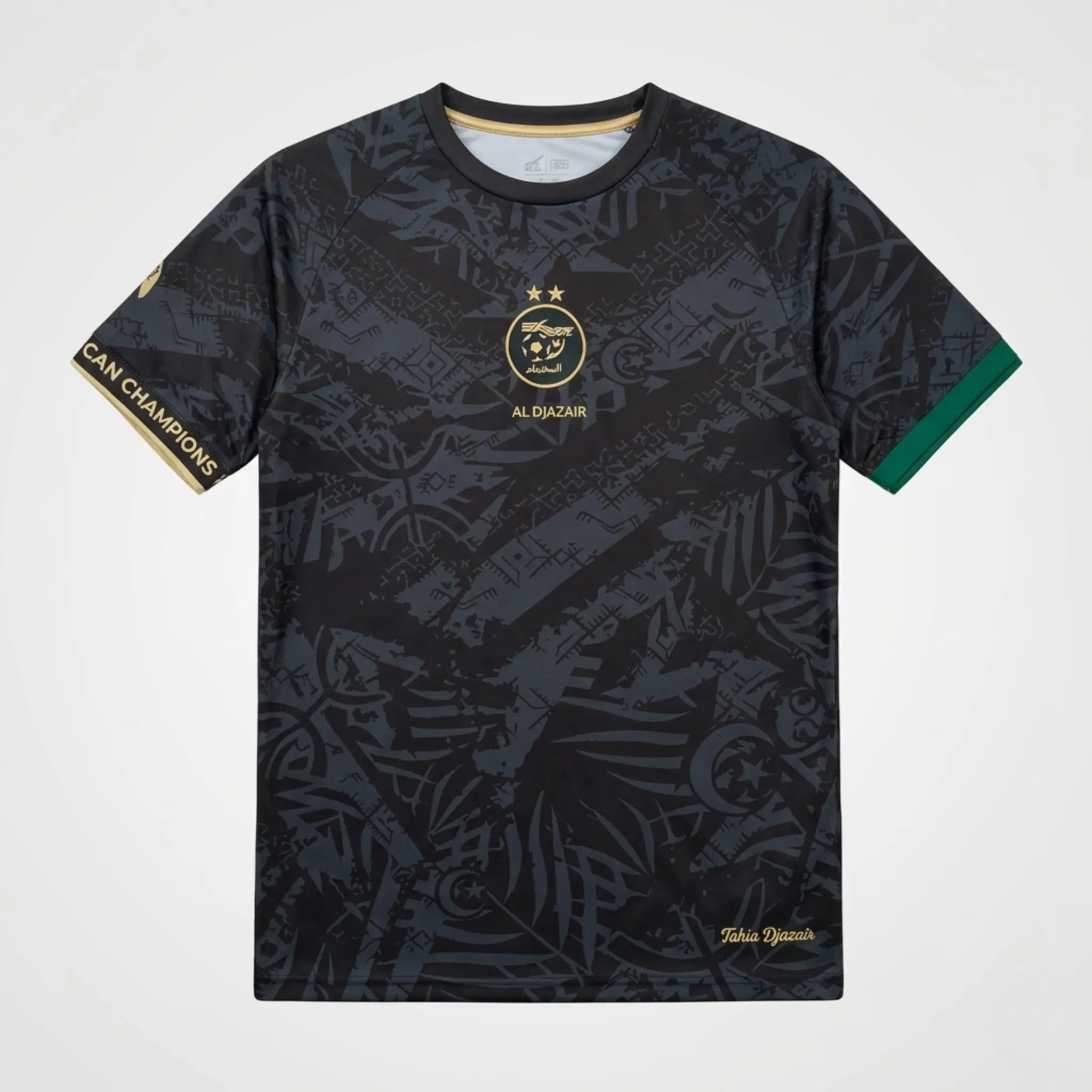

Yes, washing a football shirt inside out is highly recommended, and it's not an old wives' tale. This habit directly protects flocking, embroideries, and prints from friction in the washing machine, which is the primary cause of premature degradation of markings. By turning the shirt inside out before each wash, you double or triple the lifespan of printed or sewn details on the fabric.
This article explains precisely why this precaution works, in which cases it is even more important, and how to combine it with other good settings to never damage a shirt during washing.
Why turning a football shirt inside out protects the flocking
The flocking on a football shirt is heat-sealed onto the fabric: a layer of vinyl or flex is applied with heat and pressure to the outer surface of the fabric. It is precisely this surface that undergoes the most friction during a machine cycle, in contact with other clothes and the drum walls. Turning the shirt inside out places this delicate area on the inside, where mechanical agitation is much less aggressive.
What friction concretely does to flocking
With each wash cycle, the drum rotates and clothes rub against each other. On exposed flocking, this repeated rubbing eventually causes the edges to peel, creates micro-cracks, and dulls the colors. This phenomenon is invisible after one or two washes but becomes evident after 10 to 15 cycles. Poorly protected flocking begins to fray at the edges long before its theoretical lifespan.
Embroideries are even more sensitive than flocking
Embroideries, present on premium shirts and special editions, are particularly vulnerable. Threads that protrude slightly from the surface can catch on other garments in the drum, pull on stitches, and distort the pattern. Turning the shirt inside out protects embroideries from this type of snagging. This is an even more important precaution than for simple vinyl flocking.
Washing inside out also protects the shirt's colors
Machine friction doesn't just attack flocking. It also directly aggresses the polyester fibers on the surface, causing a phenomenon known as pilling (formation of lint balls) and a gradual dulling of colors. A red or black football shirt washed right side out for months gradually loses its vibrancy without one immediately understanding why.
The effect on brightly colored shirts
The colors most sensitive to degradation by friction are red, black, dark green, and white. White yellows slightly under the combined effect of friction and detergent residues. Black and red lose their intensity and take on a slightly grayish appearance. These effects are cumulative and irreversible once established. Turning the shirt inside out does not completely eliminate them but significantly slows them down.
What's the concrete difference after 30 washes?
A simple test: compare two identical shirts, one systematically washed inside out, the other right side out, for 30 cycles under the same conditions. The shirt washed right side out will show duller colors, slightly peeled flocking edges, and a slightly pilling surface. The one washed inside out will retain an appearance almost identical to its initial state. The difference is visible to the naked eye.
In which cases this precaution is even more important
Turning your shirt inside out is useful for all football shirts, but certain situations make it absolutely essential. The more decorative elements a shirt contains on its surface, the more critical inside-out protection is. A shirt with only a flocked number and name is less exposed than a shirt with complex embroideries, sublimated printed patterns, and a golden crown on the back.
Customized shirts with name and number flocking
A customized shirt with your first name and number on the back concentrates all the most fragile elements in one place. Customized flocking often covers a larger surface than a simple official player number, and it is applied custom, sometimes on technical fabrics that tolerate repeated abrasion less well. Inside-out washing is non-negotiable here if you want to keep the marking intact over time. If you have just received a customized Senegal shirt, systematically turn it inside out before each wash: it's the simplest way to protect your shirt.
Shirts with gold or silver embroidery
The metallic threads used in gold or silver embroideries are particularly sensitive to abrasion. Their reflective surface quickly dulls with repeated contact with other clothes in the drum. A shirt with embroideries representing achievements or cultural motifs must imperatively be washed inside out, preferably alone or with light garments without zippers or buttons.
The first wash after receiving
The first wash of a customized shirt is the most critical. The flocking needs 24 to 48 hours after application to completely stabilize on the fabric. Washing a shirt too soon after receiving, even inside out, increases the risk of premature edge peeling. Always wait this minimum time and systematically turn the shirt inside out for this first machine wash.
How to properly wash a football shirt inside out: complete protocol
Turning the shirt inside out is the basic gesture, but it is part of a more comprehensive care protocol to ensure that each wash is risk-free. Each step is important, and none compensates for the absence of another. A shirt turned inside out but washed at 60°C on a cotton program will still be damaged.
The steps in order
- Turn the shirt completely inside out before putting it in the machine
- Set the temperature to a maximum of 30°C
- Choose the delicate or synthetic program
- Limit spinning to 600 revolutions per minute
- Never use a tumble dryer
- Air dry flat or on a wide hanger, in the shade
Can several shirts be washed together?
Yes, provided they are all turned inside out and not mixed with clothes with zippers, buttons, or abrasive materials. Zippers are particularly destructive to flocking: even when closed, they create concentrated abrasion zones against which heat-sealed vinyl does not last long. Wash your shirts together or only with smooth fabric garments.
Should a special detergent be used?
A liquid detergent for delicate laundry or special technical clothing is sufficient. Avoid powdered detergents with bleaching agents, bleach, and fabric softener. Fabric softener clogs the pores of technical fabric and reduces its breathable properties. Use half the standard dose: polyester retains little greasy dirt and does not need a large amount of detergent to be clean.
FAQ
Should football shirts always be washed inside out?
Yes, systematically. Turning the shirt inside out before each wash protects the flocking, embroideries, and prints from machine friction. It's a gesture that takes two seconds and doubles or triples the lifespan of the markings. There's no reason not to do it.
Does washing inside out damage the inner fabric?
No. The inner fabric of a polyester football shirt withstands machine friction very well: it has no fragile markings, and its structure is identical to the outer surface. Washing inside out creates no damage to the inside while effectively protecting the outside.
Is washing inside out enough to protect the flocking?
It's the most important gesture, but it must be combined with the correct settings: maximum 30°C, delicate program, 600 rpm spin, never tumble dry. A shirt turned inside out but washed at 60°C on a cotton program will still be damaged. Washing inside out is necessary but not sufficient alone.
How long does flocking last if washed inside out?
Quality flocking correctly applied resists 50 to 80 washes without visible degradation if the shirt is systematically turned inside out, washed at 30°C, and air-dried. Without this precaution, the first signs of peeling can appear as early as the 10th or 15th wash, depending on the quality of the flocking and washing conditions.
Should a shirt also be turned inside out for drying?
No, for drying it's the opposite. Turn the shirt right side out to air dry: this prevents the folds of the turned fabric from creating permanent marks as it dries. Dry flat or on a wide hanger, in the shade, never in direct sunlight which fades bright colors.
A well-maintained shirt starts with a simple gesture
Turning your shirt inside out before putting it in the machine is probably the most effective care tip for its time cost: two seconds per wash for years of difference in the condition of the flocking. Combined with the correct temperature and program settings, this gesture is enough to keep a shirt in almost new condition for dozens of cycles.