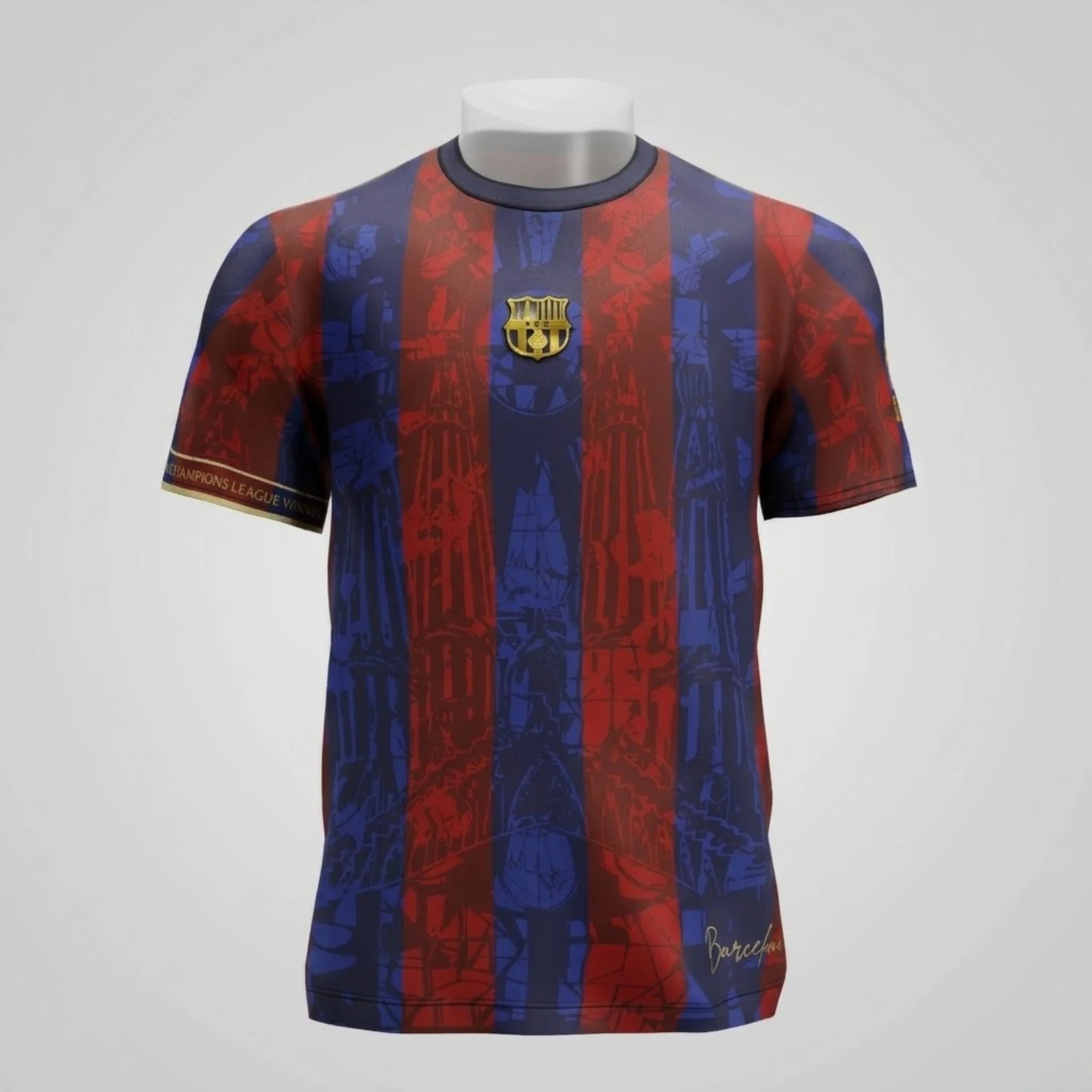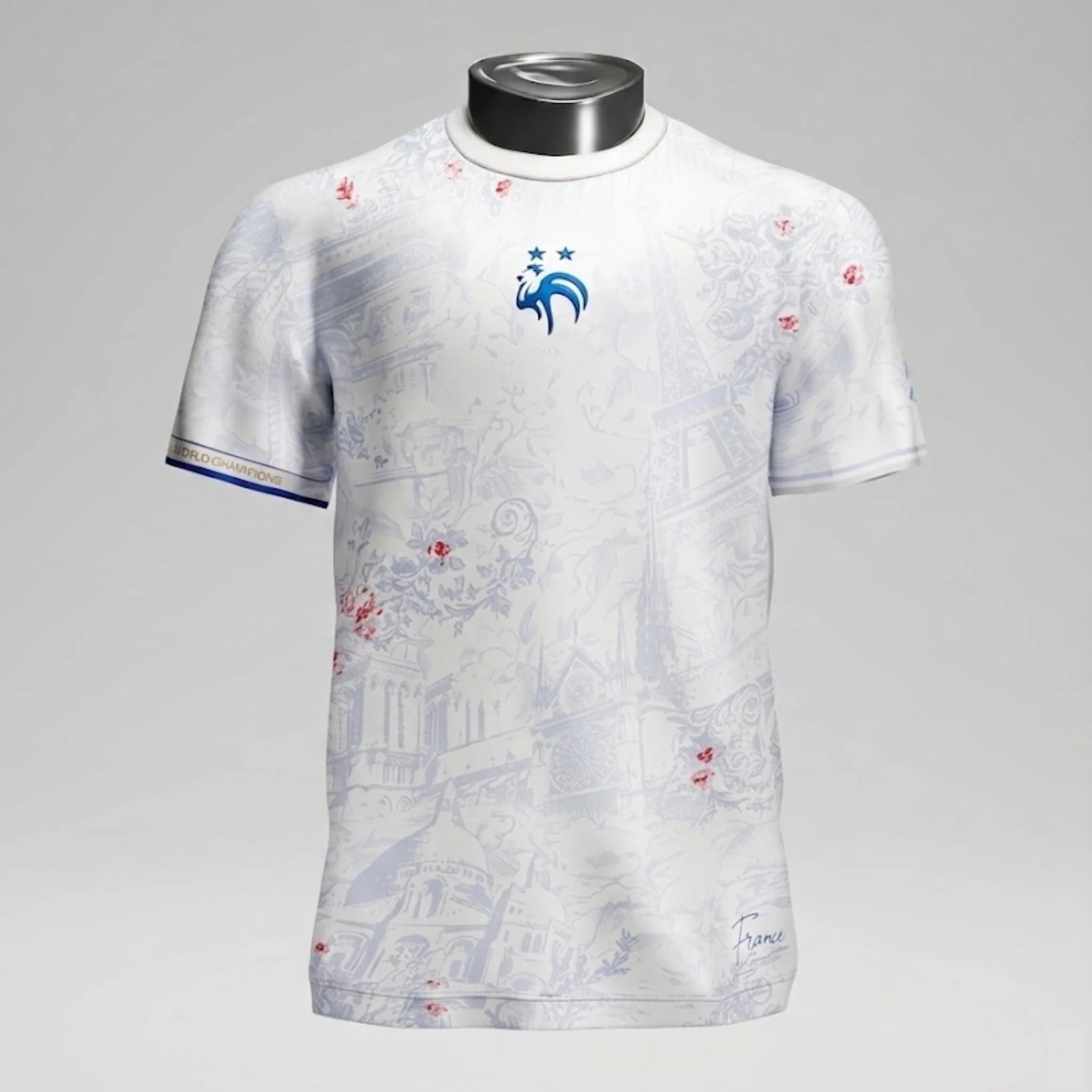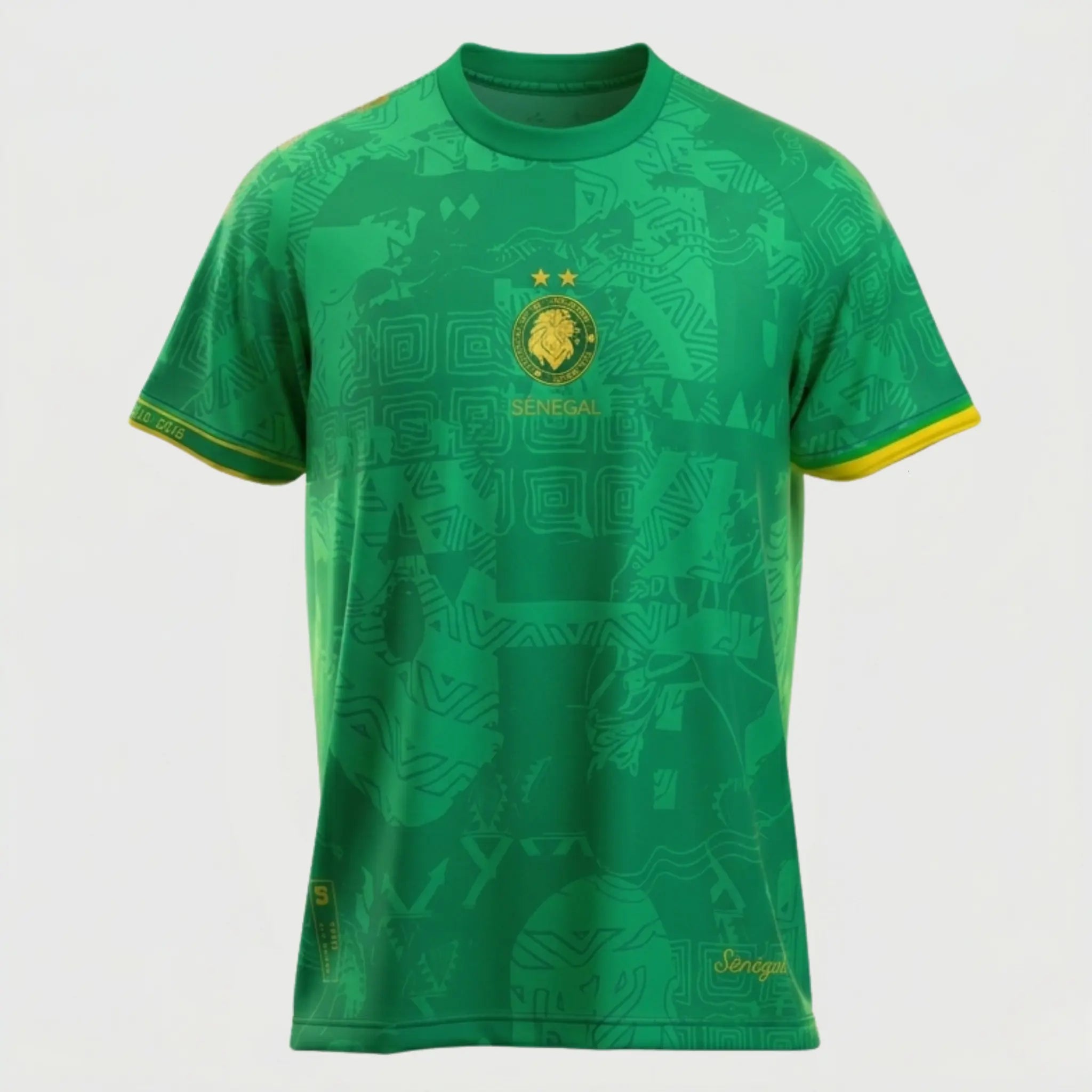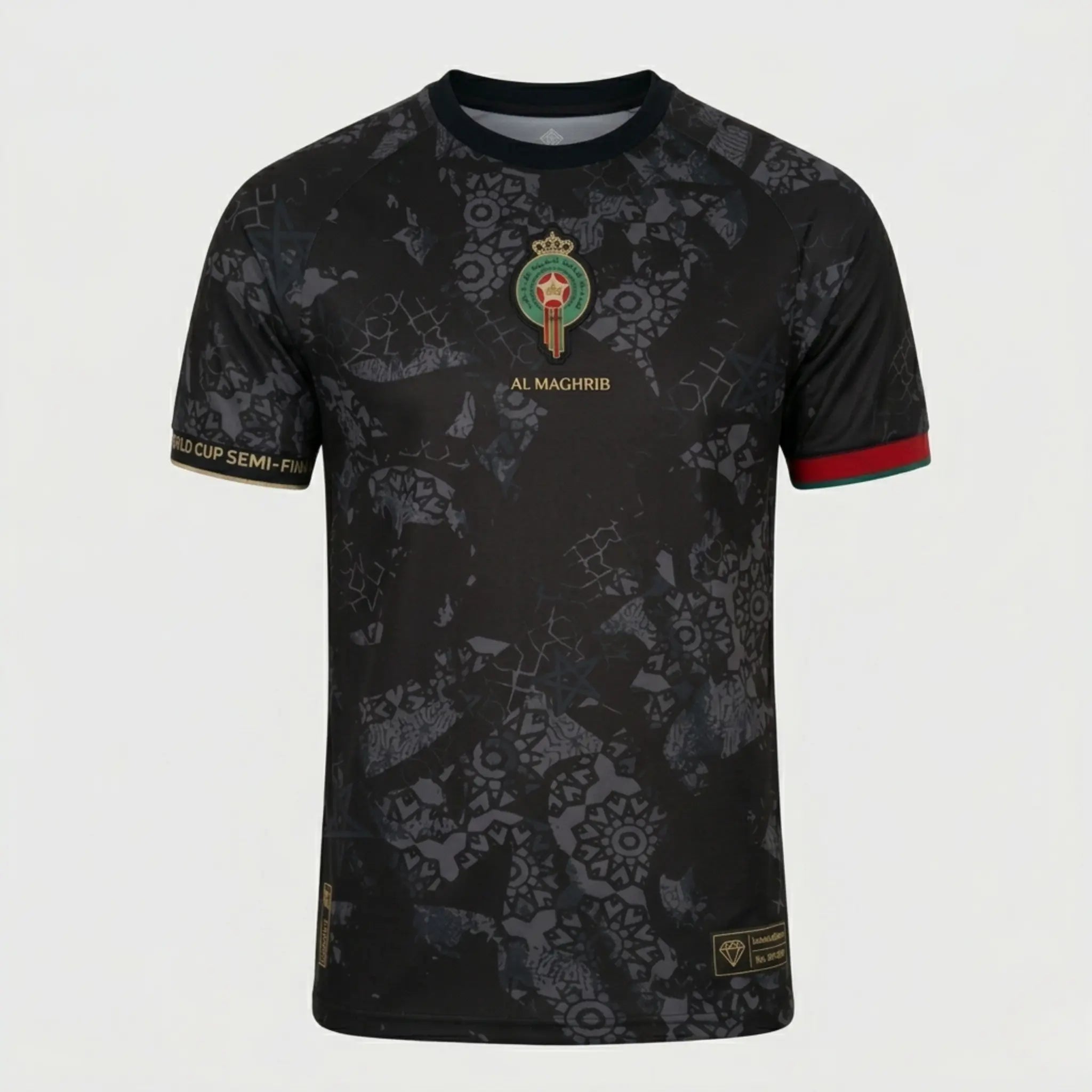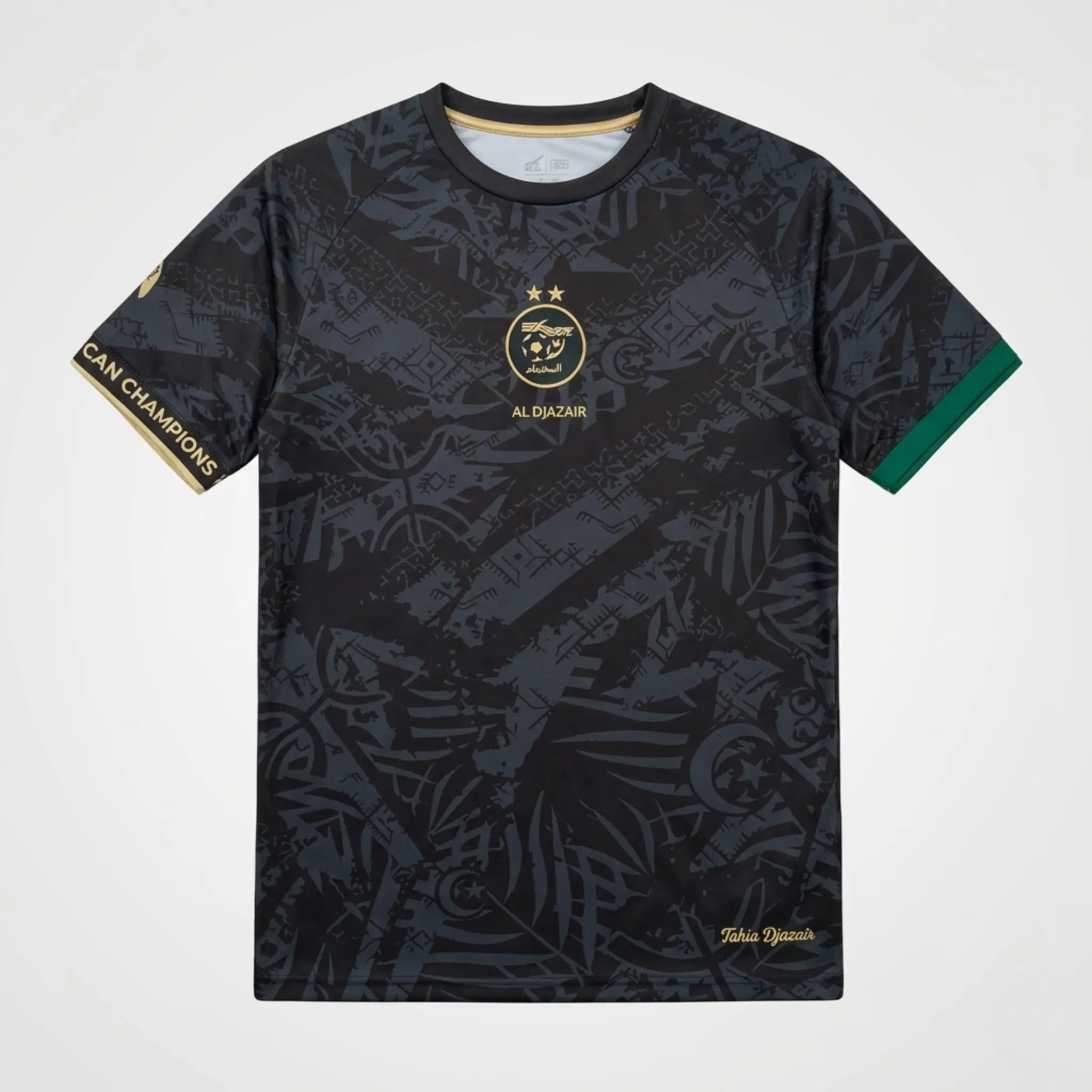

Framing a football jersey is the best way to preserve it long-term, but it's not the only way, and it's not always the most suitable. A frame protects the fabric from light, dust, and humidity, while transforming the jersey into a decorative piece. In summary: frame a jersey if you no longer plan to wear it and if it has strong sentimental or historical value. For a jersey you still wear or simply want to store, other solutions exist.
This article details when framing is truly worth it, how to choose the right frame, how to prepare the jersey before displaying it, and what alternatives exist for jerseys you want to keep without displaying them.
When framing a football jersey truly makes sense
Framing a collector's jersey is not a trivial decision: once in its frame, the jersey is no longer worn, rarely taken out, and difficult to maintain. This decision is fully justified in specific cases, but it is often made too quickly for jerseys that would benefit more from proper storage.
If you're looking for a jersey worth displaying, a design with real embroidery and a strong visual identity, Sawa Football's custom Morocco jersey collection offers exclusive pieces with zellige patterns and gold embroidery that are perfect for framed display. Collector designs made to last, with free worldwide shipping.
Jerseys that deserve a frame
A jersey deserves to be framed when it meets at least one of these criteria: it was worn during a historic moment, it bears an authentic autograph from a player, it represents a sold-out and rare limited edition, or it has strong sentimental value linked to a specific memory. An autographed jersey, for example, loses some of its value if the signature is exposed to light without UV protection. The frame then becomes a necessity.
Jerseys that don't need a frame
A recent jersey, available in stores, without an autograph or particular history, does not need to be framed to be well preserved. Proper flat storage, away from light and humidity, is perfectly sufficient. Framing a common jersey means immobilizing an item you could still wear or gift, without significant preservation gain compared to simple careful storage.
How to choose the right frame for a football jersey
Not all frames are created equal for displaying a football jersey. Cheap frames without special treatment accelerate fabric degradation rather than slowing it down. Two criteria are non-negotiable: UV protection of the glass and sufficient depth so that the jersey is not compressed against the glass.
UV-blocking glass, the number one criterion
Light is the main enemy of exposed fabrics. UV rays gradually fade vibrant colors: a red jersey loses its intensity in a few months behind ordinary glass in direct light. UV-blocking glass blocks between 97 and 99% of UV radiation depending on the model. This is the only real investment that makes a measurable difference in long-term color preservation.
Frame depth
A football jersey frame must have a minimum depth of 5 to 8 centimeters so that the fabric is stretched without touching the glass. A jersey in direct contact with the glass accumulates humidity through condensation, which promotes mold on the fabric. "Shadow box" frames are designed precisely for this use: they offer the necessary depth and allow the jersey to be presented in the best conditions.
What price to expect?
A good quality shadow box frame for a football jersey costs between 40 and 120 euros depending on the dimensions and glass quality. Models with UV-blocking glass are more in the range of 70 to 150 euros. Professional framers also offer custom services starting from 150 euros, with included mounting and material guarantee. Avoid frames under 30 euros: ordinary glass and poor quality wood can release chemicals that damage the fabric over time.
How to prepare a jersey before framing it
The preparation of the jersey before framing directly affects its preservation in the following years. A poorly prepared jersey in a good frame will still degrade. Two common mistakes are: framing a damp or slightly dirty jersey, and using acidic mounting materials that damage the fabric.
Wash and dry completely before framing
Always frame a clean and perfectly dry jersey. A slightly damp jersey enclosed in a frame develops invisible mold in the first few weeks, which become permanent stains. Wash it at 30°C inside out, air dry it completely for a minimum of 24 hours before handling it for framing. If the jersey has an autograph, do not wash it: most signature inks are not resistant to washing.
Mounting materials to absolutely avoid
Metal staples, ordinary pins, and standard adhesive tapes are to be avoided. They oxidize, rust, or leave sticky residues that permanently embed themselves in the fibers. Use only stainless steel pins or clear nylon threads to stretch the jersey in the frame. Professional framers use acid-free cardboard supports on which the jersey is attached without direct contact with corrosive materials.
Jersey orientation in the frame
The most classic presentation is the jersey laid flat, face visible, centered in the frame. Some collectors prefer to slightly fold the sleeves back to give a more compact effect. If the jersey has a number and name on the back, you can choose to present the back rather than the front: this is often more readable and visually impactful, especially for jerseys with embroidery or cultural motifs on the back.
Where to hang the frame to maximize preservation
The location of the frame in the room influences the preservation of the jersey as much as the quality of the frame itself. Even with UV-blocking glass, a jersey exposed to direct south light in a very bright room will experience accelerated color degradation. The choice of location is therefore as important as the choice of frame.
Avoid direct light and humidity
Avoid walls directly exposed to natural light, humid rooms like the bathroom or kitchen, and exterior walls that experience significant temperature variations between seasons. The ideal room for displaying a framed jersey is a living room or office with indirect light, a stable temperature between 15 and 20°C, and humidity below 55%.
Hanging height
Hang the frame at eye level, between 150 and 160 centimeters from the floor, starting from the center of the frame. This is the standard height in museography and corresponds to the natural viewing area of a standing adult. A jersey hung too high or too low immediately loses visual impact, even in a quality frame.
Alternatives to framing for jersey preservation
Framing is not the only option for preserving a football jersey in good condition over time. Two alternatives are worth considering depending on your situation: vacuum storage and hanger storage in a protective cover.
Vacuum storage for long-term storage
Vacuum storage bags allow you to compress the jersey, remove air and thus humidity, and store it in minimal space without risk of oxidation or mold. This is the ideal solution for jerseys you don't want to display but want to preserve perfectly for years. Polyester fabric handles vacuum compression very well without permanent deformation.
Protective cover on a hanger
For a jersey you want to keep accessible without framing it, a wide hanger and a breathable fabric cover (never plastic) are sufficient. Store it in a closet away from light, hanging on a wide hanger to avoid shoulder marks, in a cotton or non-woven cover that allows air circulation. Absolutely avoid airtight plastic covers that accumulate humidity and promote mold.
FAQ
Which frame should I choose for framing a football jersey?
Choose a shadow box frame with UV-blocking glass and a minimum depth of 5 to 8 centimeters. UV-blocking glass is the most important criterion: it blocks 97 to 99% of the radiation that fades fabrics. Expect to pay between 70 and 150 euros for a good quality frame. Avoid models under 30 euros.
Can an autographed jersey be framed without damaging the signature?
Yes, provided you don't wash the jersey before framing and use UV-blocking glass. Marker signatures hold up well as long as they are not exposed to UV rays or friction. Never use cleaning products on an autographed area: most signature inks are not resistant to solvents.
How long does a framed jersey last?
With UV-blocking glass, a jersey can last several decades without visible color degradation. Without UV protection, colors begin to fade in 2 to 5 years depending on light exposure. The initial quality of the fabric and embroidery also plays a role: a quality technical fabric is more resistant than a low-end fabric.
Can a jersey be framed by oneself or is a professional framer necessary?
Both options work. DIY framing with a shadow box frame purchased online is accessible and yields good results if you follow preparation precautions. A professional framer offers a more refined result, certified acid-free materials, and guaranteed mounting. For a jersey with true sentimental or financial value, the professional is worth the investment.
Is it better to frame the front or back of a football jersey?
It depends on the jersey. If the number and name on the back are the most significant part, present the back. If the graphic design or crest on the front is more impactful, present the front. Some collectors frame two identical jerseys, front and back separately, to show both sides.
The next step before framing
Before choosing a frame, ask yourself a simple question: does this jersey have a story that justifies not wearing it anymore? If so, invest in a good shadow box with UV-blocking glass and take the time to prepare the jersey properly. If not, careful storage in a breathable cover is perfectly sufficient and leaves you the freedom to take it out whenever you want.