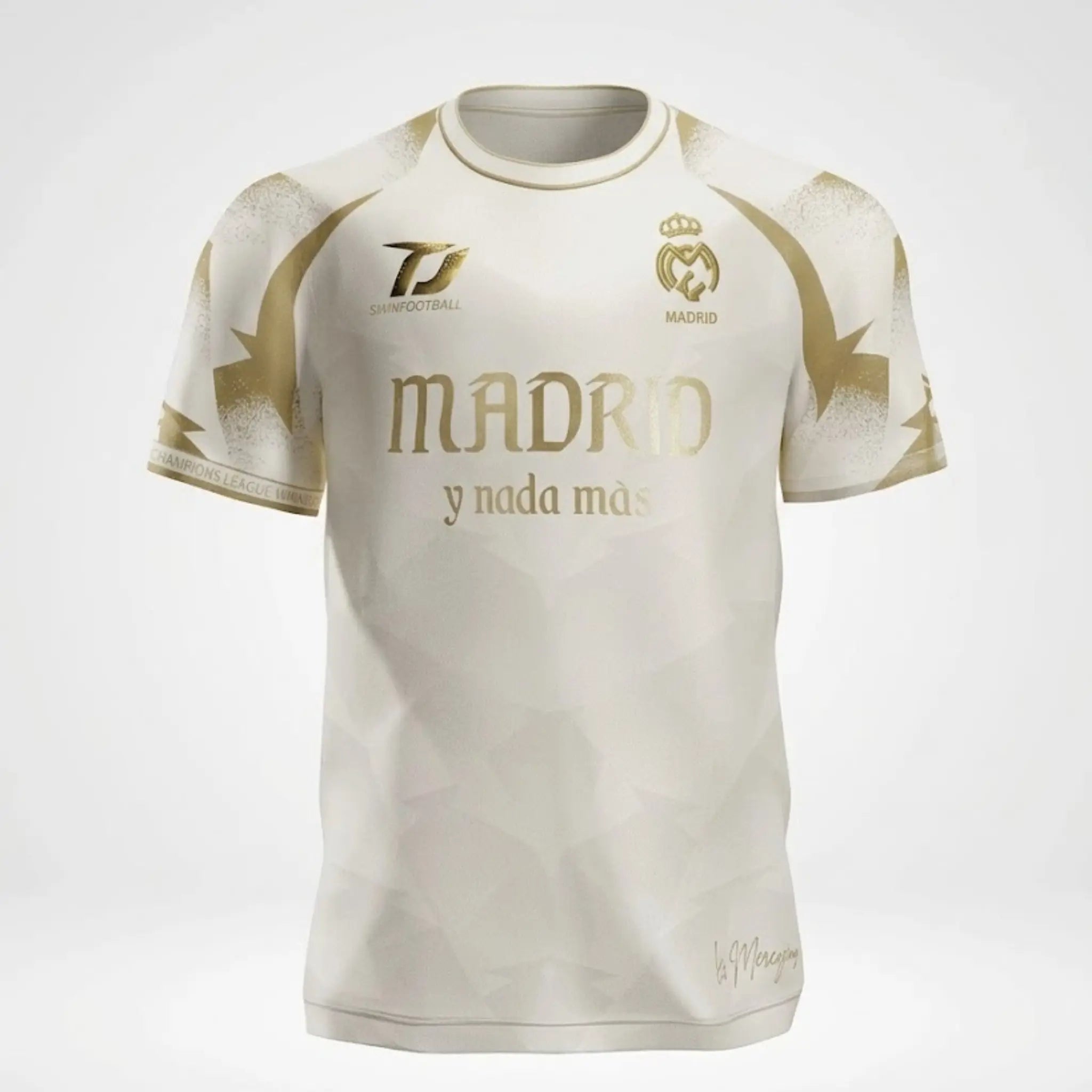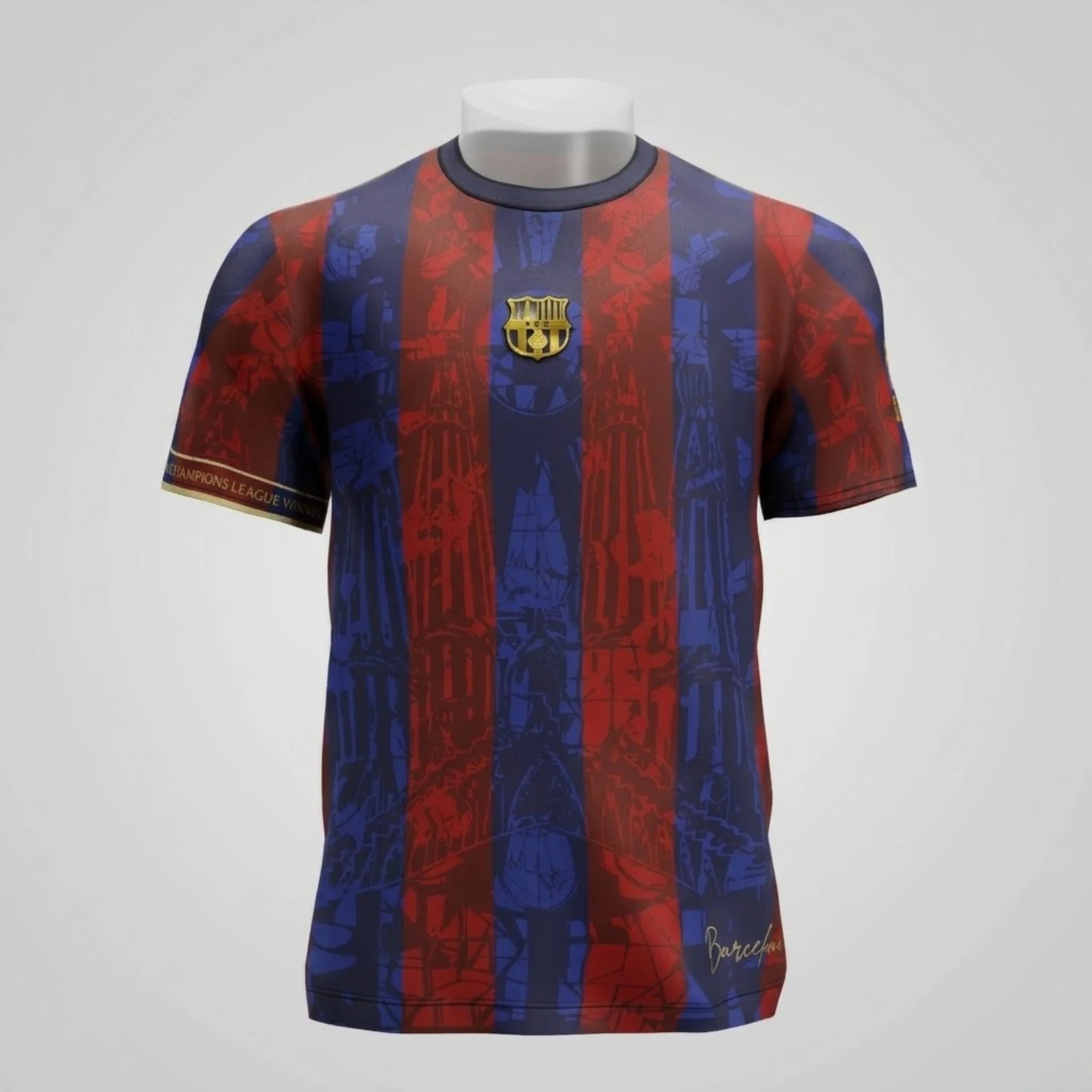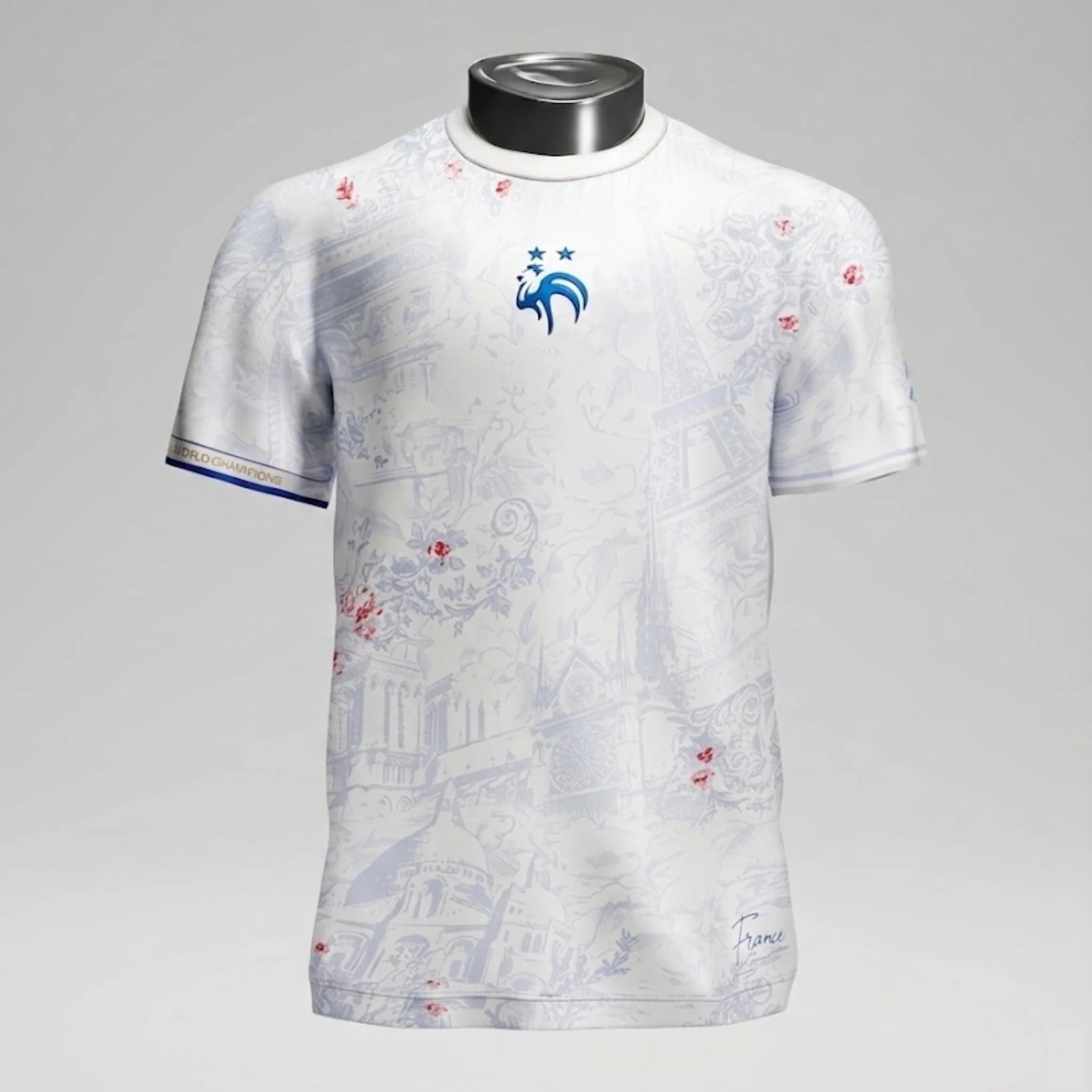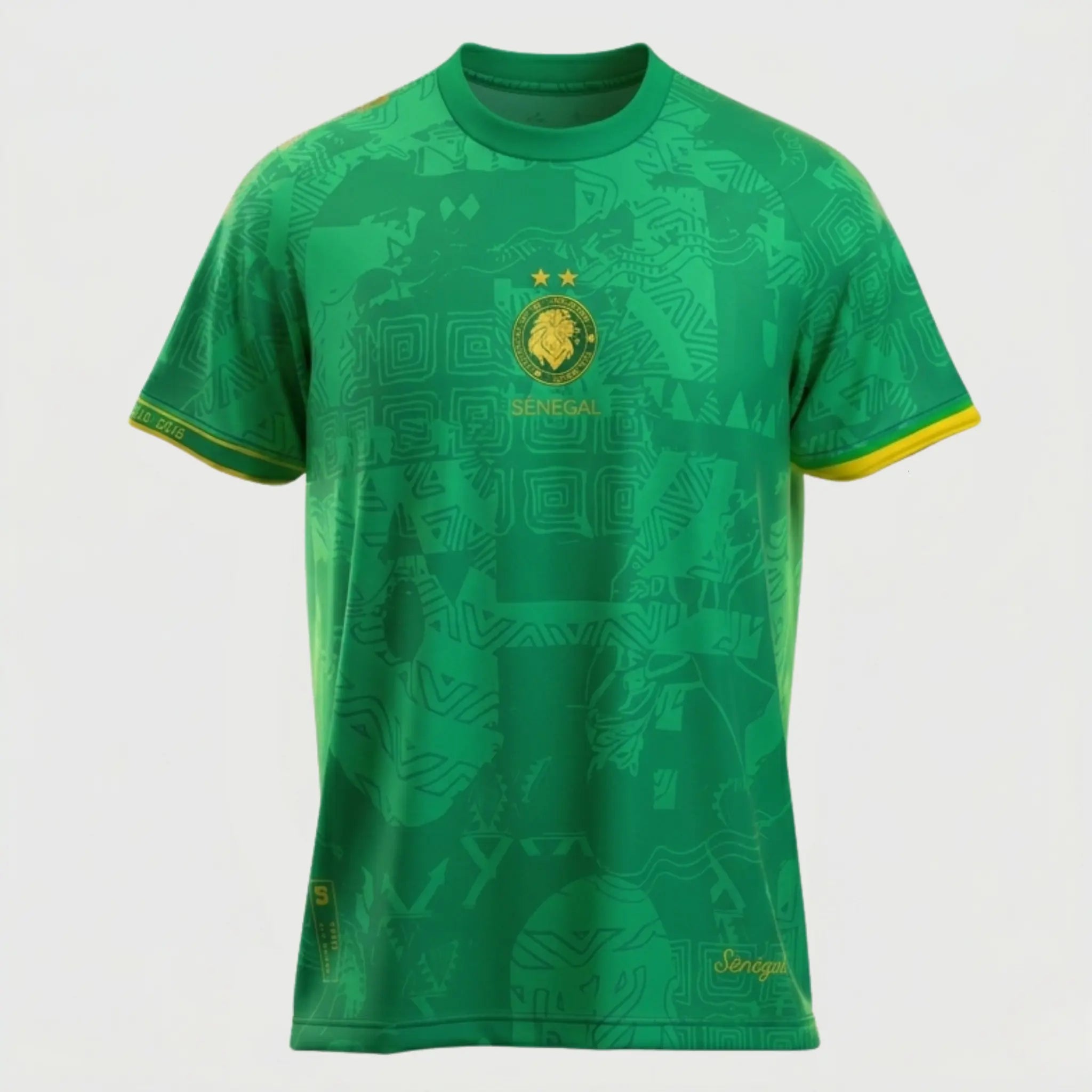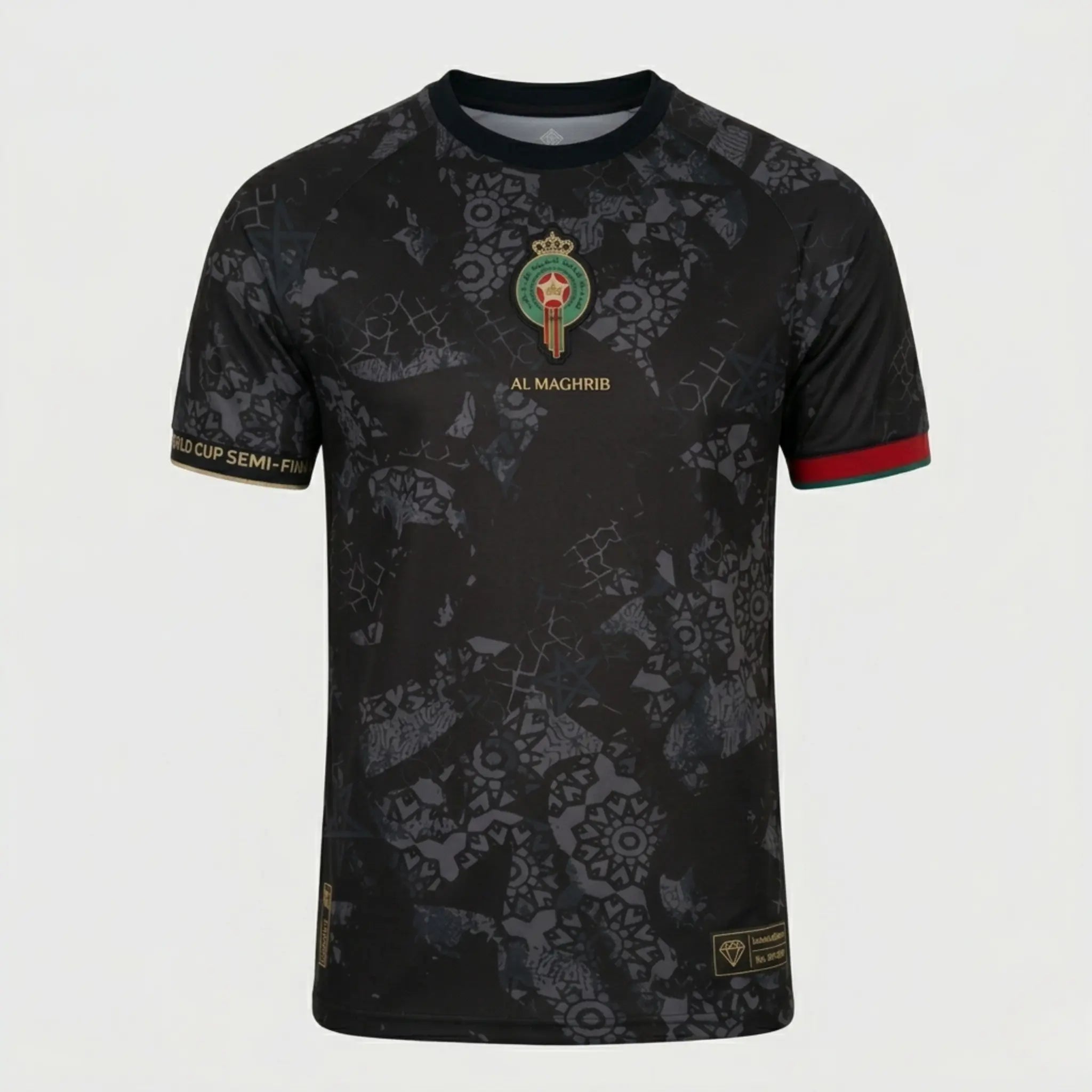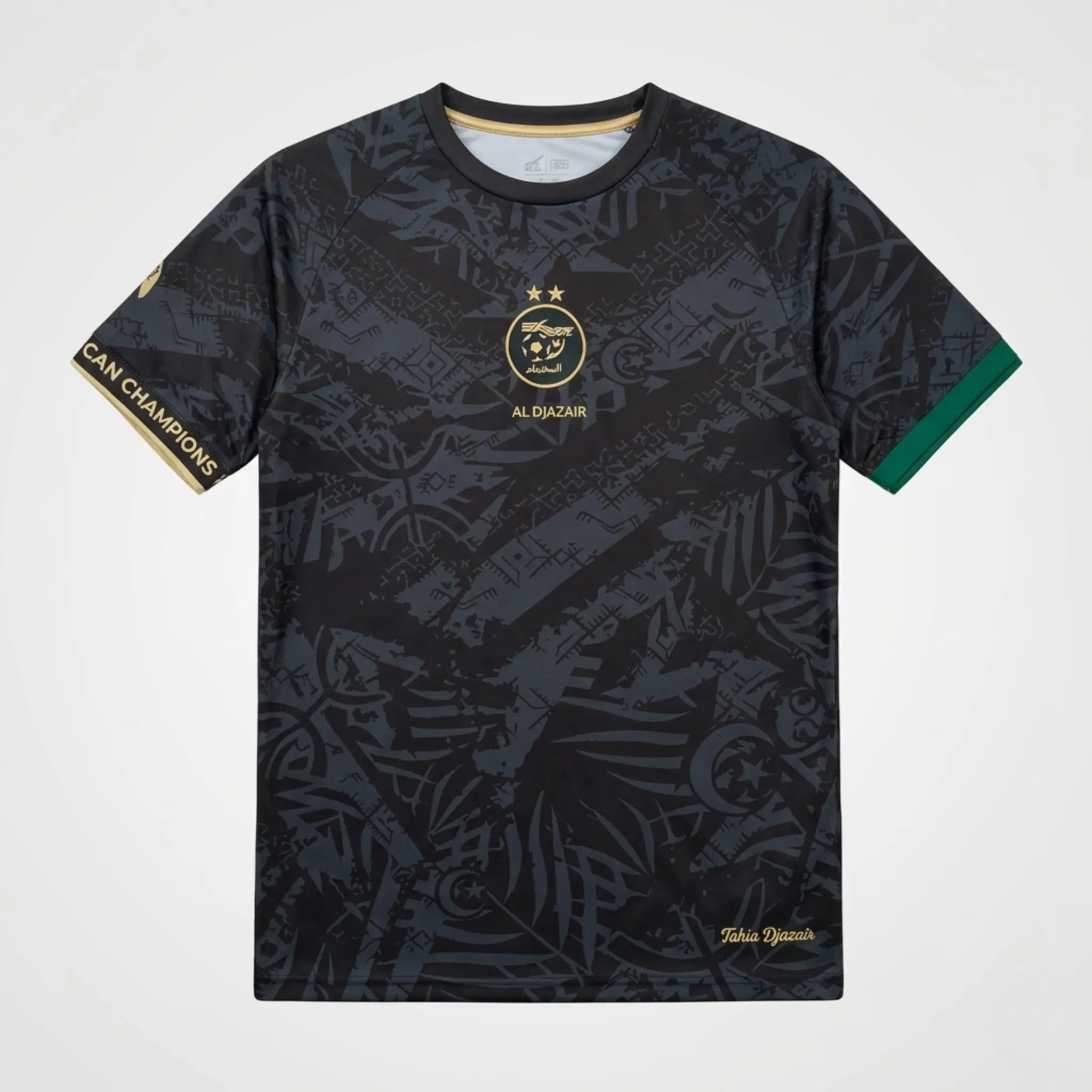
Every year, millions of counterfeit football jerseys circulate online and in some stores. A fake can look deceptively similar to the original, especially in a seller's photo. To determine if a football jersey is authentic, you need to examine several precise details: the quality of the seams, the official labels, the feel of the fabric, and the consistency of the logos. These checkpoints take less than five minutes and can help you avoid paying full price for a counterfeit.
In this guide, you will find each criterion detailed, concrete tips on how to apply them when purchasing, and common mistakes that lead buyers into the trap of fake jerseys.
Labels and official markings: the first reliable filter
An official jersey always has several carefully sewn labels. On authentic Adidas, Nike, or Puma jerseys, you will systematically find a size label with a barcode, a care label, and, depending on the series, a hologram or a scannable QR code. If one of these labels is missing, glued rather than sewn, or contains spelling errors, it is an immediate red flag.
The hologram and authenticity QR code
For several years, major equipment brands have been integrating traceable QR codes into their high-end jerseys. Scanning this code with a smartphone should direct you to the official product page. If the link is dead, non-existent, or redirects to an unknown site, the jersey is most likely fake. On Adidas Authentic editions, a silver hologram also appears on the inside collar label.
Consistency of fonts and printing
Counterfeiters rarely reproduce fonts with perfect accuracy. Compare the digits of the size number and the names of countries or clubs with official photos from the brand's website. On a fake, the letters are often slightly too thick, too thin, or poorly centered. This detail is visible to the naked eye under good light.
Fabric and seam quality: the touch test
The fabric of an authentic jersey is designed for athletic performance: lightweight, breathable, slightly elastic. Fakes are often made from lower-quality, heavier, less flexible polyester that doesn't allow air to pass through. If you crumple the fabric in your hand and then release it, the original will return to its shape almost instantly. The fake will retain the crease marks longer.
Examination of interior seams
Turn the jersey inside out and examine the seams. On an original football jersey, the seams are regular, flat, without loose threads, and without unnecessary bulk. Counterfeits frequently have irregular seams, threads that fray at the ends, and poorly aligned zigzag finishes. A seam that puckers slightly at the sides is an almost certain sign of counterfeiting.
The weight of the jersey in hand
Player Version jerseys weigh between 130 and 160 grams for a size M. Official supporter versions are slightly heavier, around 180 to 200 grams. A jersey that feels too heavy or, conversely, too light and crinkly to the touch is probably not authentic. This is a simple test to do before any in-store purchase.
Logos and crests: high-risk areas on counterfeits
The club or national team logos are the most difficult elements to reproduce faithfully. On an authentic jersey, the crest is embroidered with millimeter precision: the colors are vibrant, the outlines sharp, and the relief uniform. On a fake, the crest is often too flat, the embroidery threads too widely spaced, or the colors slightly shifted from the official shades.
The equipment manufacturer's logo: a revealing detail
The Adidas, Nike, Puma, or other brand logo must be perfectly proportionate and positioned according to the brand's official standards. Adidas's three stripes, for example, have a strict width and spacing depending on the jersey size. On counterfeits, the stripes are often thicker or thinner than the norm, and their stitching shows small irregularities visible up close.
Name and number flocking
An official flocking is heat-sealed with precise heat and pressure: the lettering adheres perfectly, with no peeling edges, no bubbles, and no transparency. On a fake, it's often enough to lightly scratch a corner of the flocking to find that it peels off easily. The font used for player names is also specific to each league: Ligue 1, La Liga, and the Premier League each have their own regulated typography.
Price and sales channel: indicators not to be overlooked
An official jersey from a major national team or European club costs between 80 and 150 euros depending on the version. A price below 40 euros for a supposedly "original" should immediately raise suspicions. Real jerseys are only discounted at the end of the season or during limited official promotions. A seller offering a permanent 70% discount is almost certainly selling counterfeits.
Identifying risky sellers on marketplaces
On platforms like Amazon, eBay, or AliExpress, thousands of third-party sellers offer jerseys. Always check the number of reviews, their date, and their content. Very recent, all positive reviews with generic phrases ("very nice jersey, fast delivery") are often fake reviews. Always prefer certified sellers or official brand and club stores.
Legitimate alternatives to the official jersey
There is an honest alternative between an official jersey that's out of budget and a fake disguised as an original: the customized football jersey produced by transparent specialized shops. These jerseys do not usurp official logos, offer serious fabric quality, and allow you to add your name or number. For supporters who want to display their colors without paying collector prices, this is an option to seriously consider. For example, if you are looking for a customized Senegal jersey with your name and number, dedicated shops allow you to order it directly online with clear and assumed flocking options.
Comparing with official photos: an infallible method
The most reliable verification remains direct comparison with official visuals. Every authentic football jersey has a product page on the equipment manufacturer's website: Adidas, Nike, and Puma publish high-resolution photos with all visible details. Before buying a used jersey or on a marketplace, take five minutes to open these photos side-by-side and compare them point by point.
Using product reference numbers
Each official jersey has a unique product reference number printed on the inside label. This reference can be verified directly on the brand's website or through sports databases. If the seller cannot provide this reference, or if it does not correspond to any listed product, doubt is more than justified. This is a check that even experienced buyers often forget.
FAQ
How to recognize a fake football jersey by touch?
A fake jersey is generally heavier, less flexible, and retains crease marks after crumpling. The fabric of an original is light, breathable, and instantly returns to its shape. The interior seams are flat and regular on an authentic, but irregular and with protruding threads on a counterfeit.
Can an official jersey cost less than 50 euros?
Very rarely. Official jerseys from major national teams and clubs cost between 80 and 150 euros depending on the version. Below 50 euros, it is almost always a counterfeit or an unofficial version. Only end-of-season sales on official websites sometimes allow you to approach this price.
Are fake jerseys dangerous to wear?
Not directly dangerous, but the materials used in counterfeits are often uncertified and may contain dyes that do not comply with European standards. For intensive sports use, a low-quality fabric can also cause skin irritation or poor thermoregulation during exertion.
Can you verify the authenticity of a jersey with an app?
Yes, some brands offer apps or QR codes integrated into the label. Adidas, in particular, has developed a verification system by scanning. If the QR code does not lead to any official page or if the jersey does not have one, it does not guarantee that it is a fake, but it warrants further checks.
Which jerseys are most counterfeited in France?
The most copied jerseys are those of Real Madrid, PSG, and major national teams like Algeria, Morocco, and Senegal. These teams have strong fan bases, making them prime targets for counterfeiters who exploit high demand.
What to do before your next purchase
Before buying a jersey, always take the time to check the labels, examine the seams, and compare the price with official rates. These three checks eliminate the vast majority of counterfeits. If you want a quality jersey with proper and assumed personalization, turn to specialized shops that produce transparent unofficial editions. You will wear something of solid quality, without being fooled.