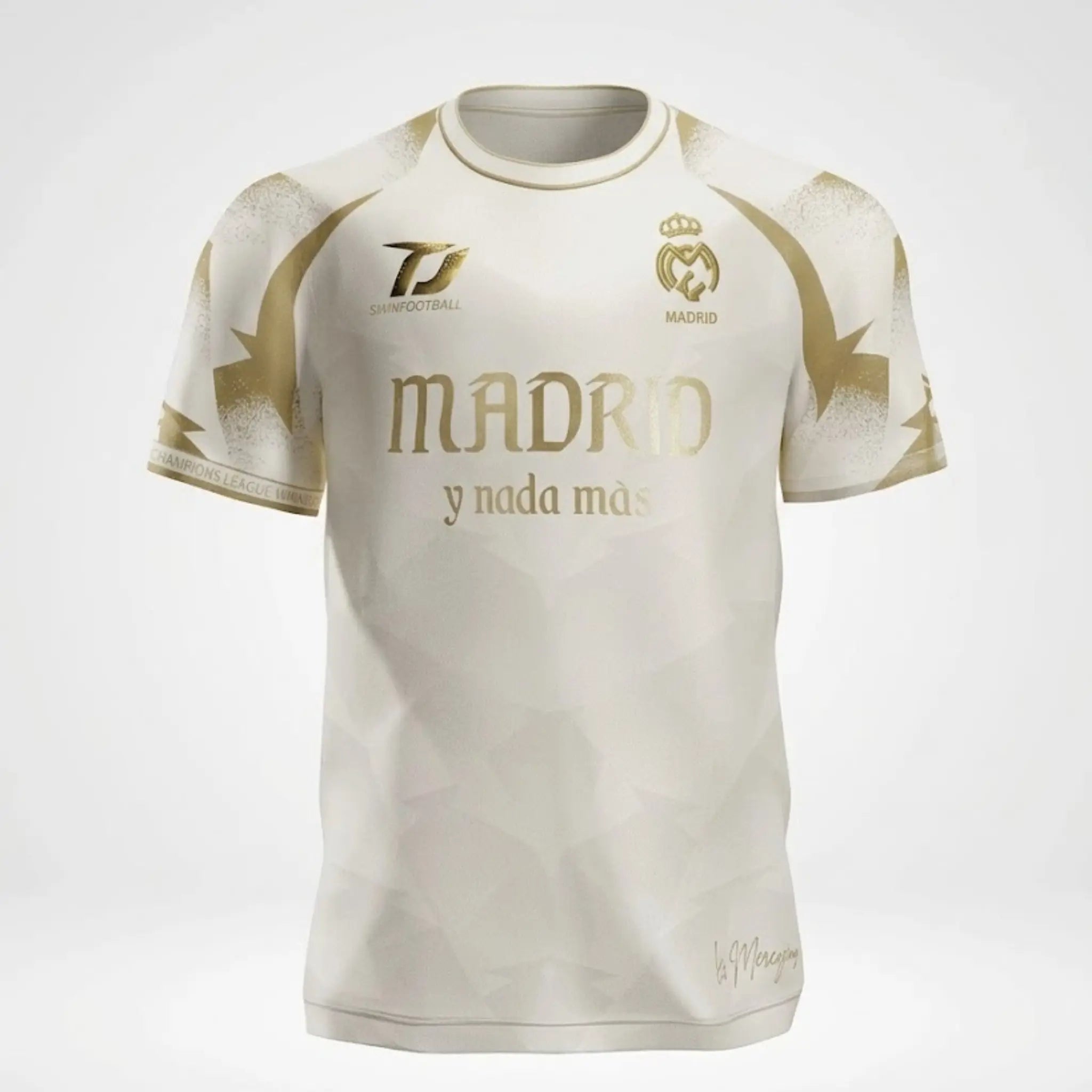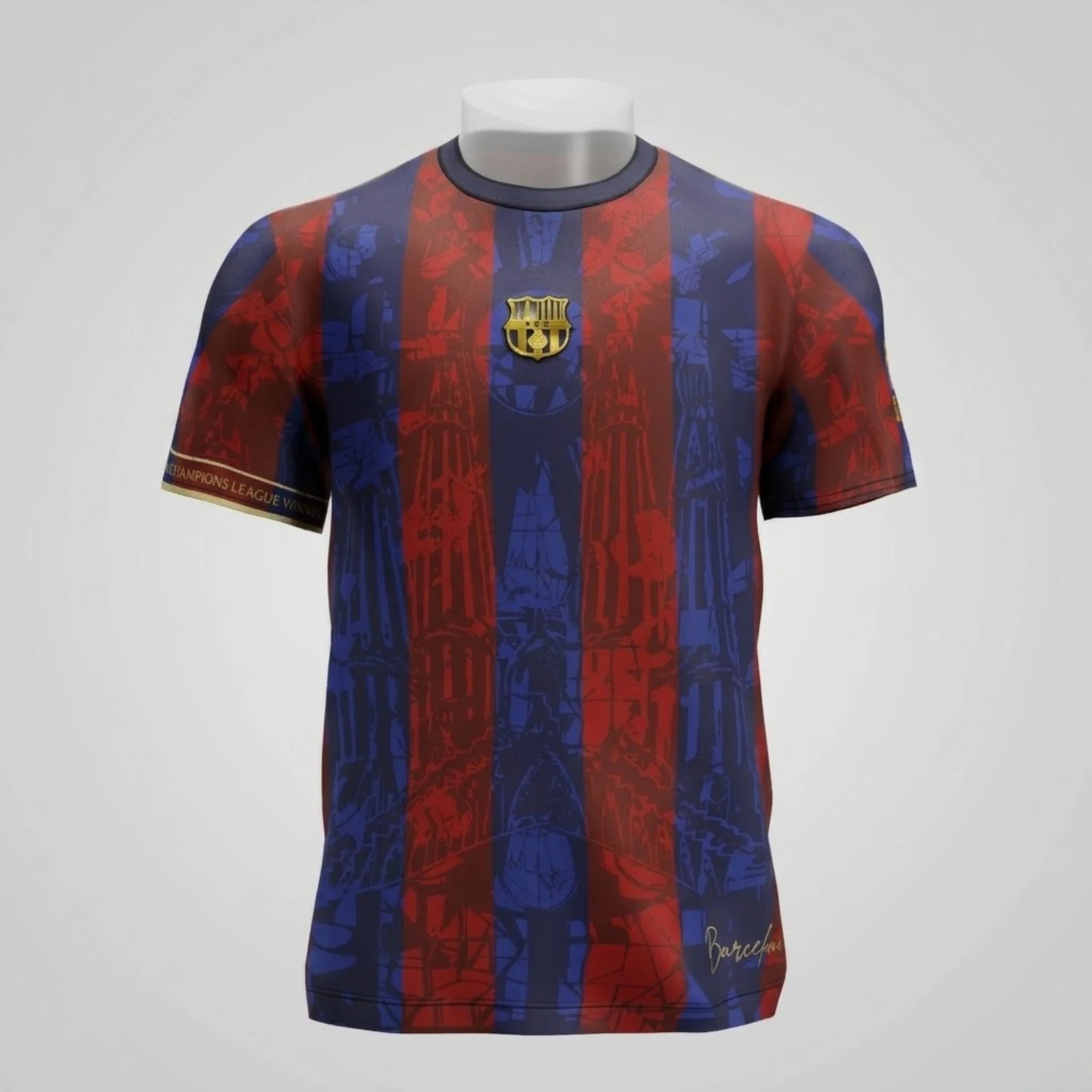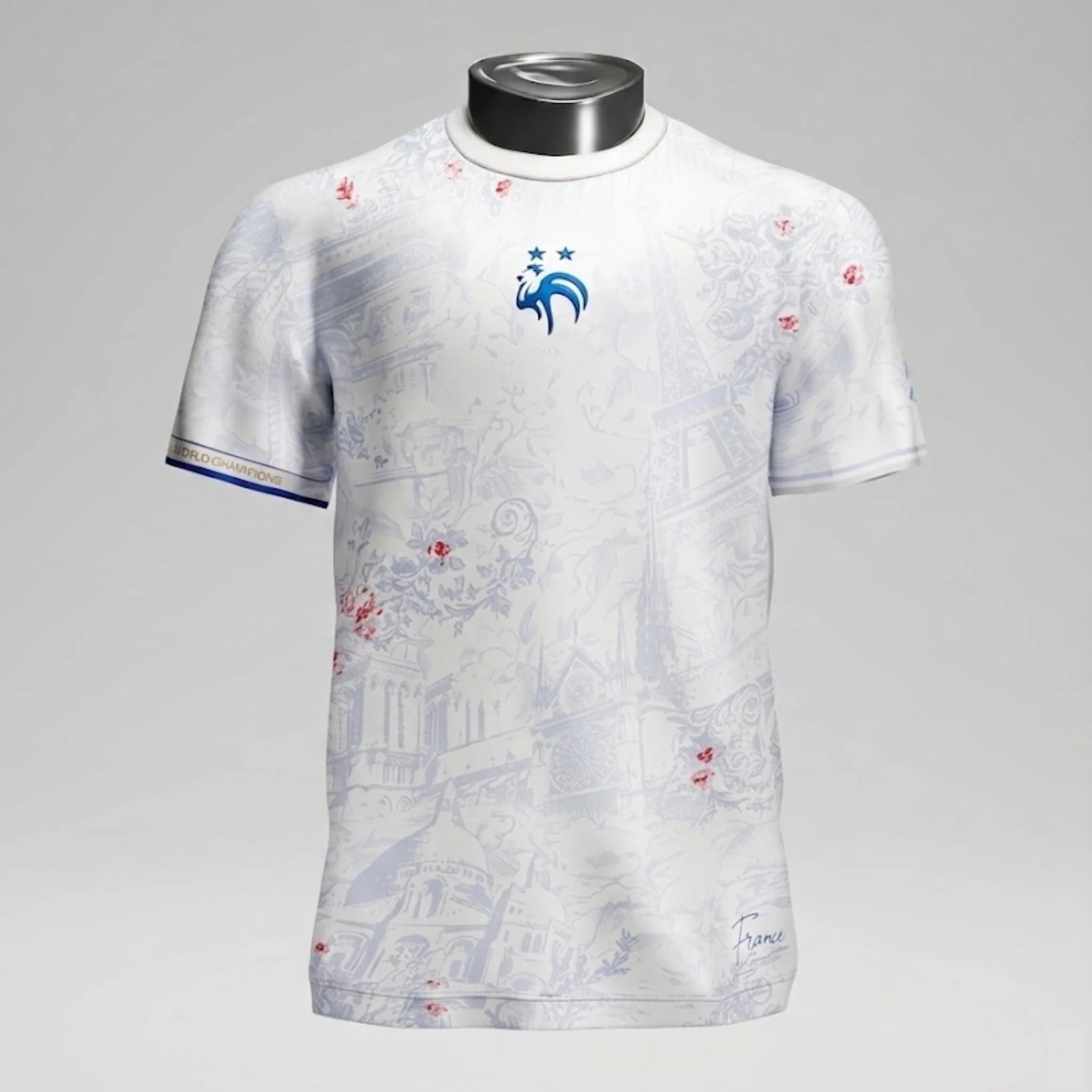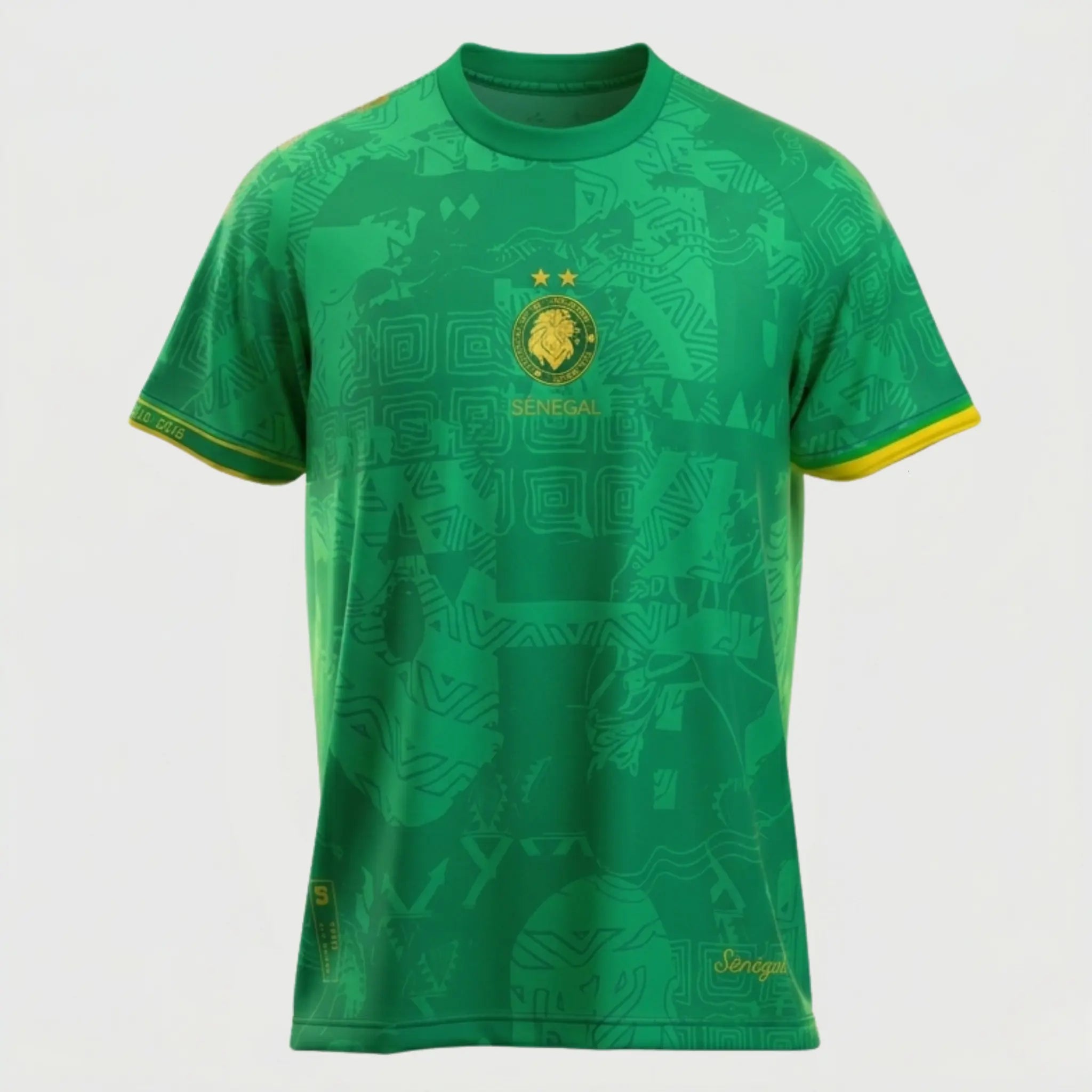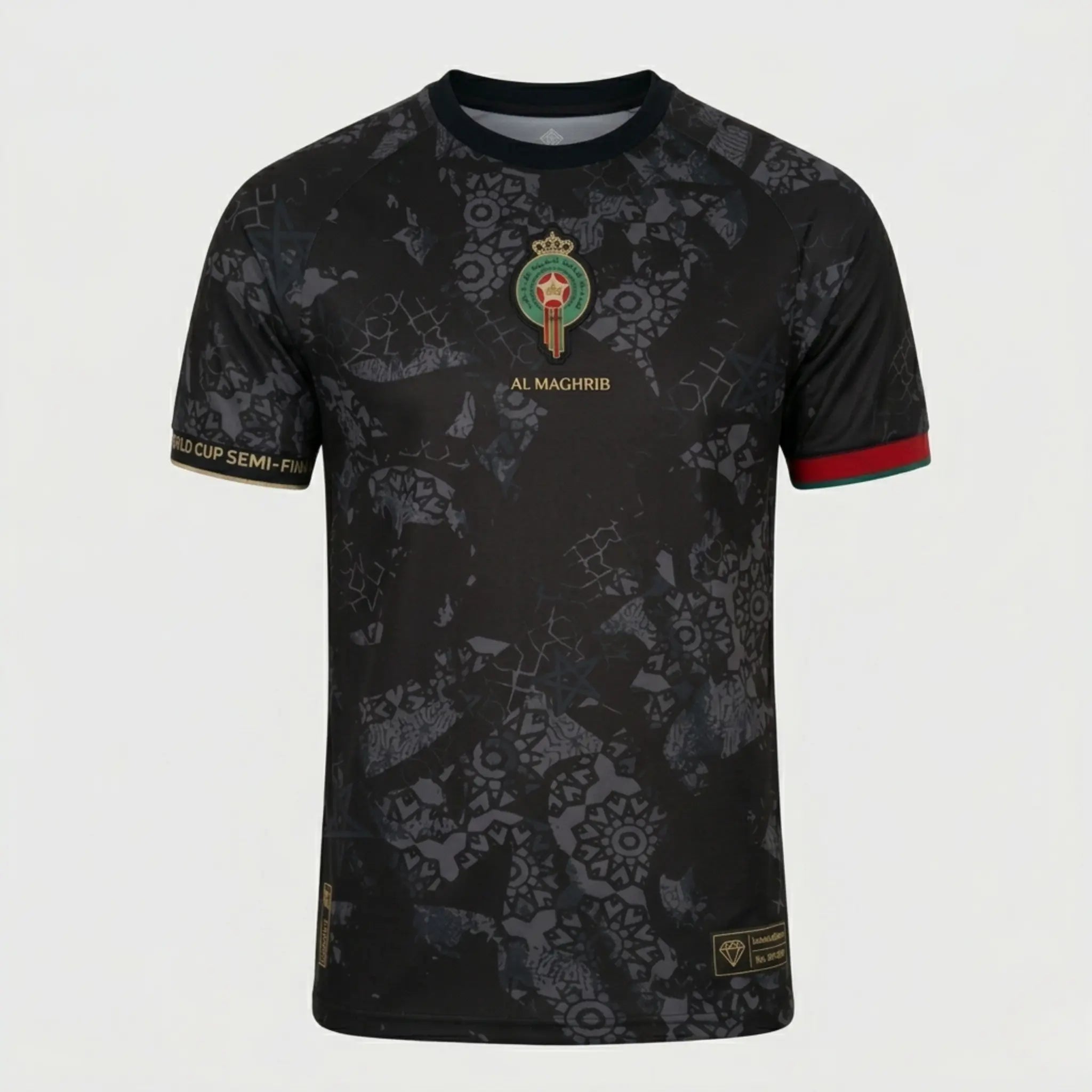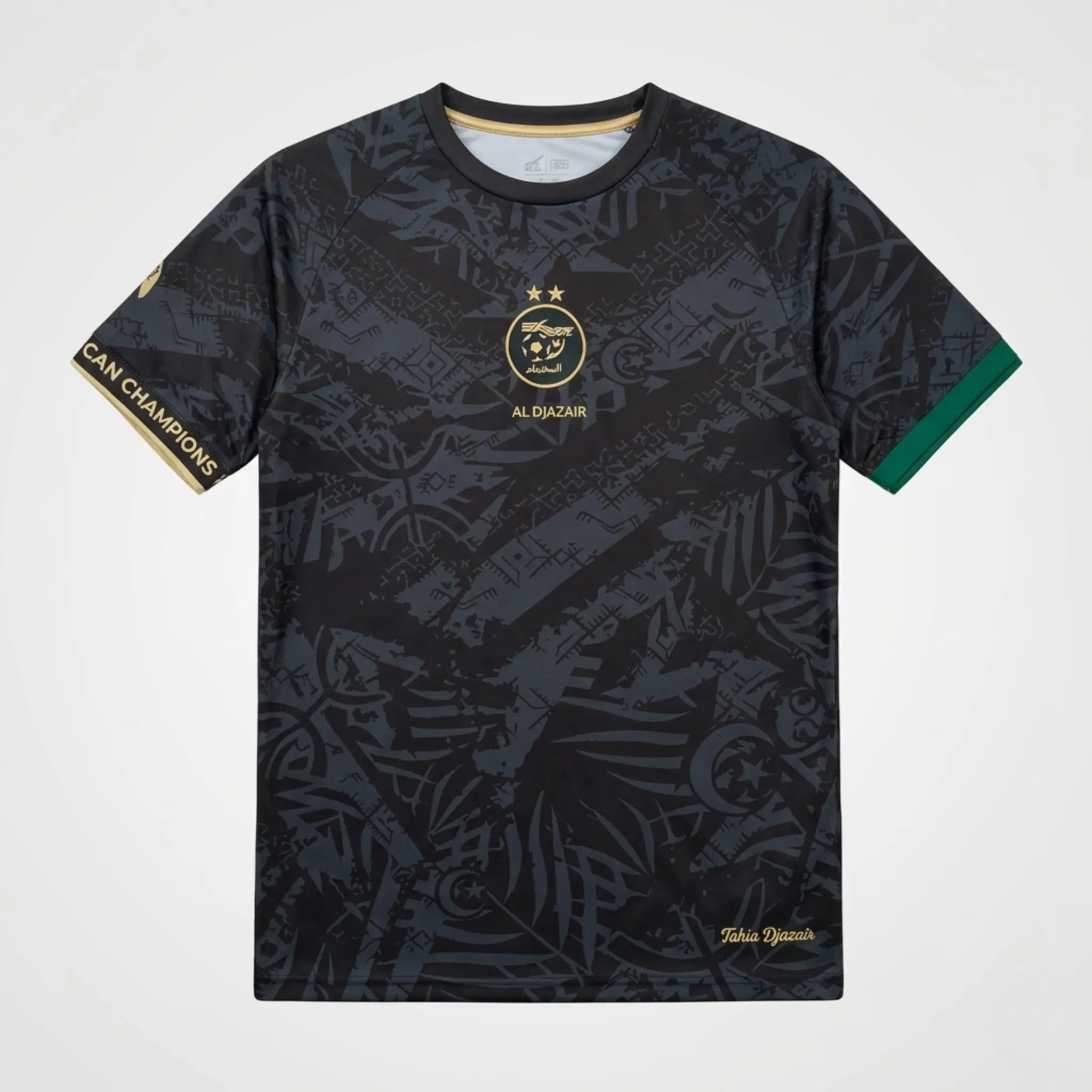

A poorly washed football jersey means peeling flocking, faded colours, or fabric that shrinks after two washes. Yet, the right settings are simple: cold wash or a maximum of 30°C, delicate programme, reduced spin, and never tumble dry. These four rules are enough to preserve a jersey for years.
This guide details each washing step, the mistakes to absolutely avoid, products compatible with technical polyester, and how to treat stubborn stains without damaging the crest or flocking.
Washing temperature, the most important setting for a football jersey
Most football jerseys are made of technical polyester, sometimes mixed with elastane. These materials do not tolerate heat well. Above 40°C, the fibres begin to deform, colours fade, and heat-sealed flocking softens, leading to progressive peeling.
30°C or cold wash: what's the concrete difference?
Washing at 30°C is sufficient to remove sweat, grass stains, and light dirt. For a lightly soiled jersey, cold water is largely enough and preserves colours even better. Cold washing is particularly recommended for brightly coloured jerseys such as red, fluorescent green, or white, which are most susceptible to yellowing or fading.
What really happens at 60°C
At 60°C, polyester can shrink by 3 to 8% depending on the fabric quality. A size M jersey can become too small to wear comfortably. The flocking, meanwhile, begins to bubble or crack. These damages are irreversible. Even a single temperature error can be enough to ruin a new jersey.
The ideal machine programme to avoid damaging technical fabric
The delicate or synthetics programme, available on almost all modern washing machines, is the right choice for a football jersey. It combines gentle agitation, low temperature, and limited spin. Avoid the cotton programme: it's too aggressive for synthetic fibres and generates excessive friction between clothes.
The spin speed not to exceed
Limit the spin to a maximum of 600 rpm. Beyond that, centrifugation stretches polyester fibres and deforms seams. On some machines, the synthetics programme automatically imposes this limit. If not, adjust it manually. A slightly damp jersey out of the machine is better than a jersey spun at 1200 rpm and deformed.
Should the jersey be washed inside out?
Yes, always. Turning the jersey inside out before putting it in the machine protects the flocking, embroidered crests, and sublimated prints from friction with other garments. It's a simple habit that doubles or triples the lifespan of the markings. For flocked jerseys with a name and number, it's even more important.
Laundry products compatible with athletic polyester
Classic powdered detergents contain bleaching agents and aggressive enzymes that attack synthetic fibres in the long term. Prefer a liquid detergent for delicate laundry or one specific to technical sportswear. These formulas respect the water-repellent treatments and breathable properties of the fabric.
Bleach, fabric softener, and stains: what you should never do
Bleach should be completely avoided on a football jersey, even diluted: it irreversibly discolours the fabric in minutes. Fabric softener, often perceived as harmless, clogs the pores of technical fabric and reduces its breathable properties. For routine maintenance, water and mild detergent are more than enough.
Dose correctly to avoid residues
Using too much detergent leaves residues in the fibres after rinsing. These residues promote bad odours and make the fabric slightly stiff. The recommended dose for a sports jersey is lower than that indicated on the bottle, as polyester retains little greasy dirt. Half the standard dose is usually sufficient.
How to treat stains before machine washing
Grass, mud, and sweat stains are the most common on a football jersey. Letting a stain dry before treating it is the first mistake: it becomes embedded in the fibres and much harder to remove. The ideal is to treat within 30 minutes after the match or training session.
Grass stains: short soak before machine wash
Grass stains contain chlorophyll, a stubborn pigment. A 15 to 20-minute soak in cold water with a few drops of dish soap is sufficient in most cases. Do not rub: gently dab with a clean cloth. Rubbing spreads the stain and can damage the fabric surface.
Mud stains: wait for it to dry
Counter-intuitive but effective: wait for the mud to dry completely before acting. Fresh mud, if rubbed, spreads and penetrates deeper into the fibres. Once dry, it crumbles and can be easily removed by hand or with a soft brush, before a machine wash at 30°C.
Persistent odours after washing
If a football jersey retains an odour after washing, it's often due to bacteria lodged in the fibres. A 30-minute soak in a cold water and white vinegar solution (1 glass per 5 litres) before machine washing eliminates bad odours without altering colours or fabric.
Drying after washing, a step as important as the machine wash
The tumble dryer is forbidden for a polyester football jersey. The heat produced, even on a delicate programme, is enough to deform fibres, shrink the fabric, and peel off heat-sealed markings. Air drying is the only viable option, flat or on a hanger in a ventilated area.
Flat drying or on a hanger: which to choose?
Flat drying on a clean surface is ideal for jerseys with heavy embroidery (thick crests) that could stretch under their own weight on a hanger. For standard jerseys, a hanger is perfectly suitable, provided it is wide: a too-thin hanger leaves marks on the shoulders and deforms the neckline after several drying cycles.
Exposing to direct sunlight: good or bad idea?
Direct sunlight speeds up drying but fades vibrant colours in the long run, especially reds and blacks. It's better to dry in the shade in a well-ventilated area. Indoors, a simple draft is enough: a polyester jersey dries in 1.5 to 2 hours under good ventilation conditions.
Maintaining a personalised or flocked jersey, specific precautions
A personalised jersey with a name, number, or specific flocking requires the same basic precautions, but with increased vigilance on two points: temperature and friction. Personalised flocking is heat-sealed onto the fabric, and repeated heat or rubbing will eventually cause it to peel if care is not taken.
If you've just acquired a personalised football jersey, wait 24 hours after receipt before the first wash: the flocking needs to fully stabilise on the fabric before facing water and spinning.
How many washes before the flocking degrades?
Quality flocking applied correctly resists 50 to 80 washes without visible degradation if good practices are followed (washed inside out, 30°C, gentle spin, no tumble dry). Poorly applied flocking or washing at too high a temperature can start to peel as early as the 5th or 10th wash.
FAQ
At what temperature should a football jersey be washed without damaging the flocking?
Wash your football jersey at a maximum of 30°C, on a delicate or synthetics programme. Above 40°C, polyester fibres deform and heat-sealed flocking begins to soften, leading to bubbles and peeling. Cold washing is even safer for bright colours.
Can a football jersey be put in the tumble dryer?
No. The tumble dryer is forbidden for all polyester football jerseys. Heat shrinks the fabric, peels off markings, and deforms seams. Always air dry, flat or on a wide hanger, in the shade in a well-ventilated area.
How to remove a grass stain from a football jersey?
Treat quickly: soak the stained area in cold water with a few drops of dish soap for 15 to 20 minutes. Dab without rubbing, then machine wash at 30°C. Do not let the stain dry before treating it, as it will embed itself in the fibres and become harder to remove.
Should a football jersey be washed inside out?
Yes, always. Turning the jersey inside out before washing protects the flocking, embroidery, and prints from friction with other garments. This is a simple habit that significantly extends the life of markings, especially on personalised jerseys with names and numbers.
What detergent should be used to wash a football jersey?
Use a liquid detergent for delicate laundry or a special detergent for technical sportswear. Avoid powdered detergents with bleaching agents, bleach, and fabric softener. These products damage synthetic fibres and clog the pores of the fabric, reducing its breathable properties.
The next step after good maintenance
A well-maintained jersey retains its colours, feel, and flocking for years. Now that you know all the right settings, the next logical step is to choose a jersey that deserves this care: well-constructed, with quality flocking, personalised to your image. This is exactly what Sawa Football's personalised Morocco jersey collection offers, with free worldwide delivery.